Renaissance
William Shakespeare
1564 – 1616
English playwright and poet (1564–1616)
- Kingdom of England
- British
- English Renaissance
About
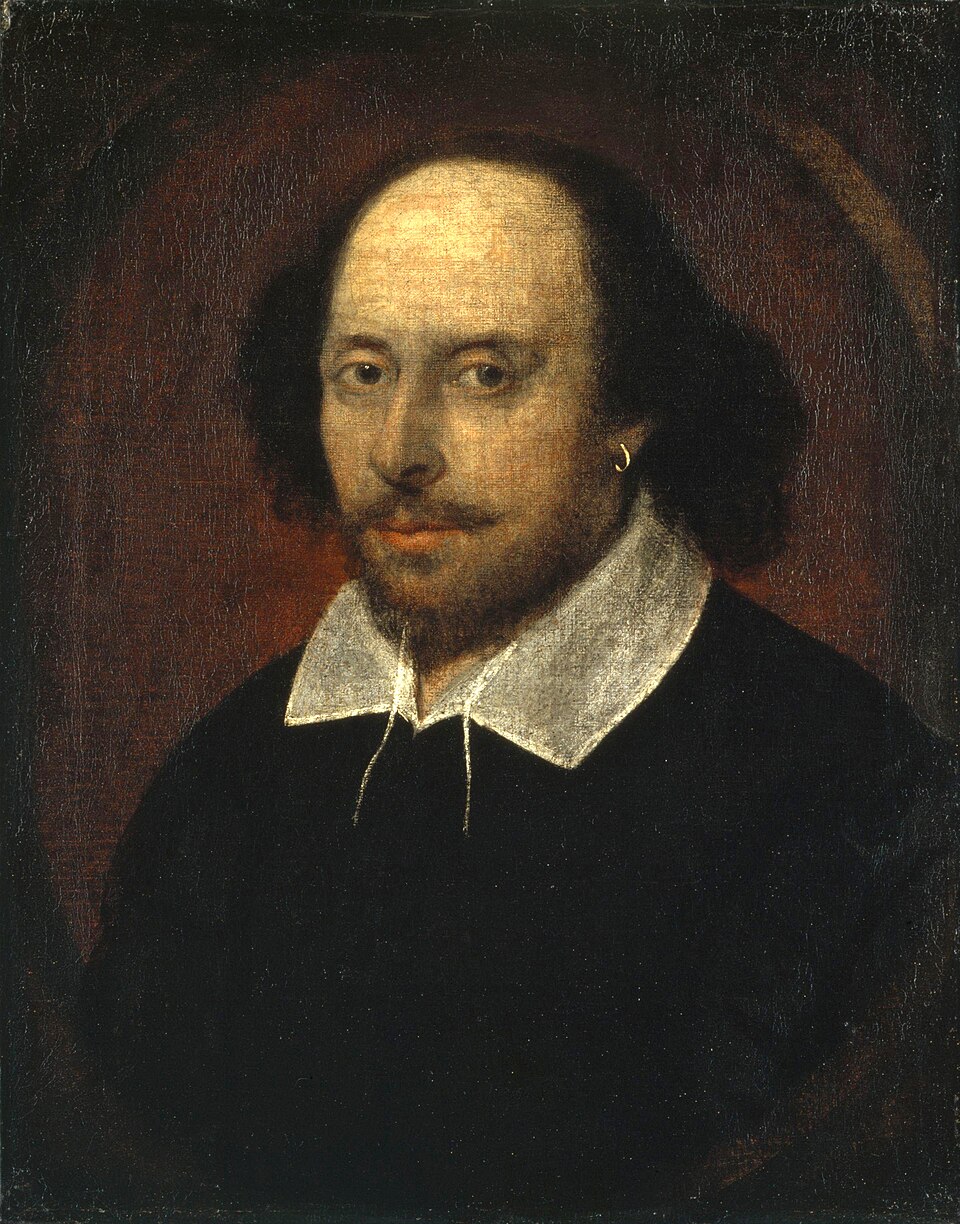
William Shakespeare was an English playwright, poet and actor. He is widely regarded as the greatest writer in the English language and the world's pre-eminent dramatist. He is often called England's national poet and the "Bard of Avon" or simply "the Bard". His extant works, including collaborations, consist of some 39 plays, 154 sonnets, three long narrative poems and a few other verses, some of uncertain authorship. His plays have been translated into every major living language and are performed more often than those of any other playwright. Shakespeare remains arguably the most influential writer in the English language, and his works continue to be studied and reinterpreted.
Source: Wikipedia (CC BY-SA). Portrait by Attributed to John Taylor (Public domain) via Wikimedia Commons.
Life on the Timeline
Major Works
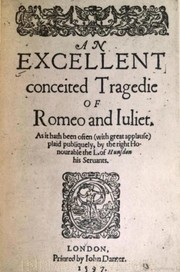
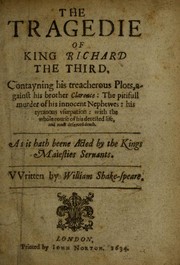
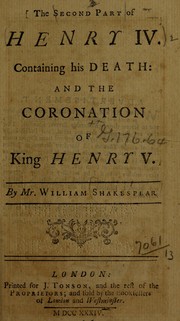
Exam Dossier
Most-asked topics
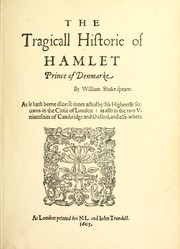
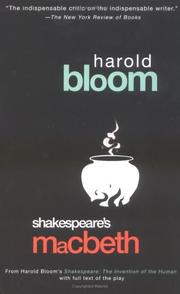
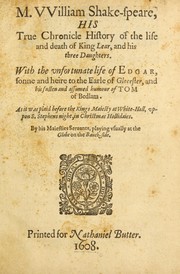
- The four great tragedies (Hamlet, Othello, King Lear, Macbeth)
- Shakespeare's sonnets: structure, sequence, Fair Youth and Dark Lady
- The First Folio (1623) and textual transmission
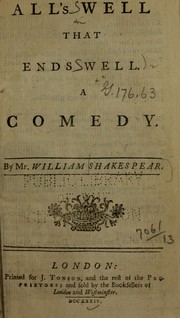
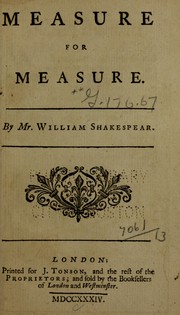
- Problem plays (Measure for Measure, All's Well That Ends Well, Troilus and Cressida)
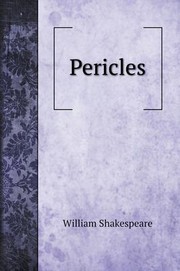
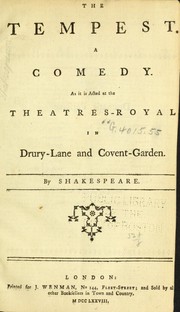
- Late romances (Pericles, Cymbeline, The Winter's Tale, The Tempest)
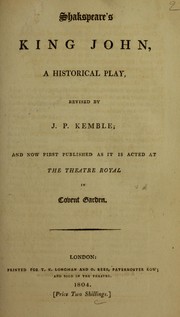
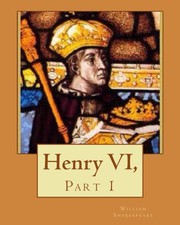
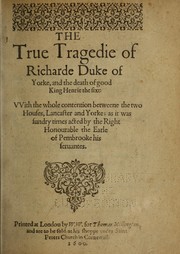
- History plays and the two tetralogies
- Famous opening and closing lines of the plays
- Critical reception: Jonson, Dryden, Johnson, Coleridge, Bradley, Greenblatt
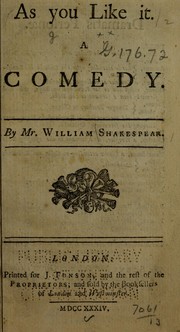
- Shakespearean comedy: cross-dressing heroines and green-world settings
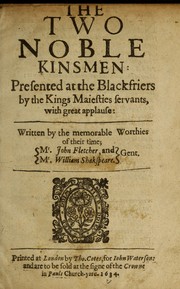
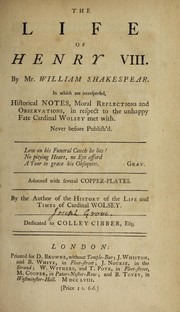
- Collaborations and late plays (Henry VIII, The Two Noble Kinsmen with John Fletcher)
Previous-year themes
- Identifying plays from famous quotations and opening lines
- Chronological ordering of Shakespeare's plays and poems
- Matching characters to plays (Shylock, Iago, Prospero, Rosalind, etc.)
- Classification of plays: tragedy, comedy, history, problem play, romance
- Critical remarks on Shakespeare by Jonson, Dryden, Coleridge, Arnold, Eliot, Bradley
- The sonnet sequence: number, form, dedication, addressees
- Sources of the plays (Holinshed, Plutarch via North) and postcolonial/new historicist readings of The Tempest
- The First Folio, quartos, and Heminges and Condell
Common confusions
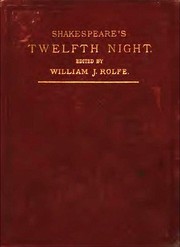
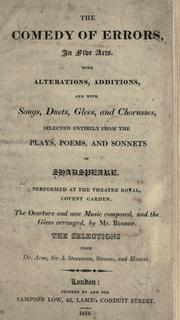
- Twins confusion: The Comedy of Errors has two sets of identical twins (the Antipholi and the Dromios), while Twelfth Night has one brother-sister pair (Viola and Sebastian).
- The Tempest is Shakespeare's last solo-authored play, but not his last work: Henry VIII and The Two Noble Kinsmen came later, written with John Fletcher.
- The Sonnets (1609) are dedicated by the publisher Thomas Thorpe to 'Mr. W.H.'; the narrative poems Venus and Adonis and The Rape of Lucrece are dedicated by Shakespeare himself to the Earl of Southampton.
- 'Myriad-minded Shakespeare' is Coleridge (Biographia Literaria), not Dryden; Dryden called him the poet with 'the largest and most comprehensive soul' (Essay of Dramatick Poesie).
- Problem plays (Measure for Measure, All's Well That Ends Well, Troilus and Cressida — Boas's term) are often mixed up with the late romances (Pericles, Cymbeline, The Winter's Tale, The Tempest — Dowden's grouping).
- Hamlet is Shakespeare's longest play; Macbeth is the shortest of the great tragedies — students frequently reverse these. Similarly, 'star-crossed lovers' comes from the Prologue of Romeo and Juliet, not from the lovers' own speeches.
Memory tricks
Four great tragedies in order — 'HOLM': Hamlet, Othello, (King) Lear, Macbeth (c. 1600-1606).
Late romances — 'Please Come With Tea': Pericles, Cymbeline, Winter's Tale, Tempest.
Problem plays — 'MAT': Measure for Measure, All's Well That Ends Well, Troilus and Cressida.
Sonnet map — '126 / 152 / 154': Fair Youth to 126, Dark Lady 127-152, Cupid sonnets 153-154; all published 1609.
Life dates rhyme: 'In 1564 the Bard was born, in 1616 the stage did mourn' — reputedly born and died on 23 April.
First Folio — 'H&C 1623': Heminges and Condell, fellow actors, collected 36 plays in 1623; Jonson's tribute 'not of an age, but for all time' prefaces it.