Middle English
Geoffrey Chaucer
1343 – 1400
14th century English poet and author (1343–1400)
- Kingdom of England
- British
About
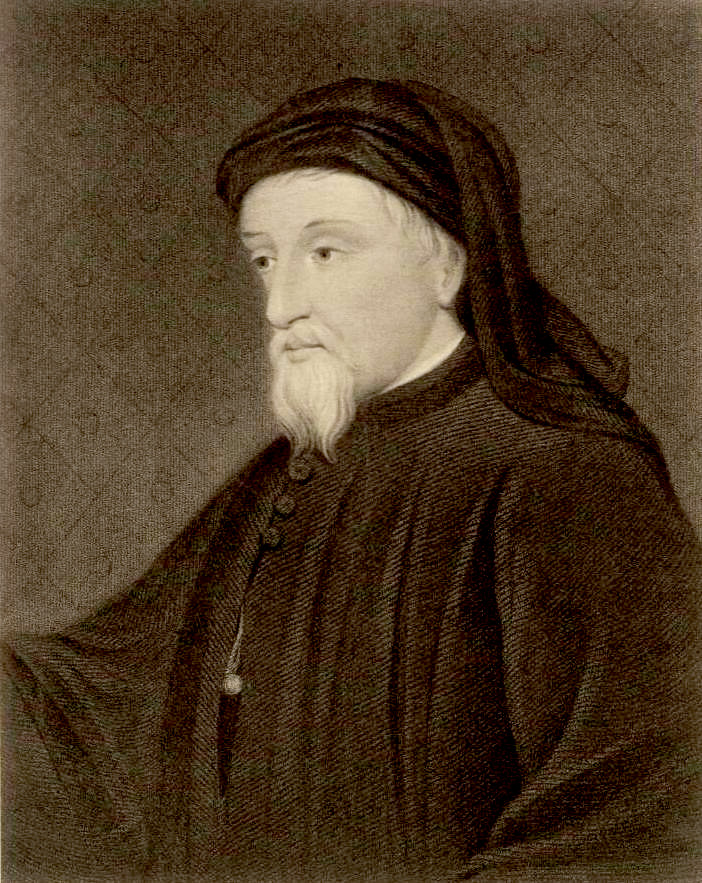
Geoffrey Chaucer was an English poet, writer and civil servant best known for The Canterbury Tales. He has been called the 'father of English literature', or alternatively, the 'father of English poetry'. He was the first writer to be buried in what has since become Poets' Corner in Westminster Abbey.
Source: Wikipedia (CC BY-SA). Portrait by Unknown authorUnknown author (Public domain) via Wikimedia Commons.
Life on the Timeline
Major Works
Exam Dossier
Most-asked topics
- The Canterbury Tales - General Prologue and estates satire
- The Canterbury Tales - frame narrative structure and pilgrimage
- Chaucer as 'Father of English Poetry'/founder of English literary tradition
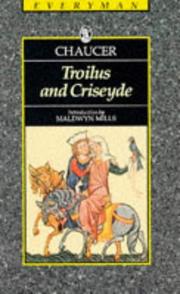
- Troilus and Criseyde as courtly love epic
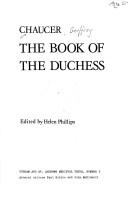
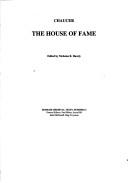
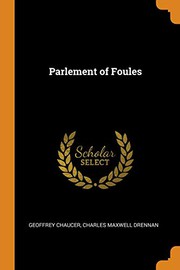
- The dream-vision poems (Book of the Duchess, House of Fame, Parlement of Foules)
- Chaucer's use of Middle English and iambic pentameter/rhyme royal
- Chaucer's sources - Boccaccio, Boethius, French dit tradition
- Characterisation technique in the General Prologue
Previous-year themes
- Identification of Canterbury Tales pilgrims/characters from descriptive lines
- Chronology and dating of Chaucer's major works
- Chaucer's contribution to English poetic metre (iambic pentameter, rhyme royal, heroic couplet)
- The frame-narrative device and its influence on later English fiction
- Chaucer's position in literary periodisation (Middle English/Age of Chaucer)
- Sources and influences - Italian (Boccaccio) and French (Roman de la Rose) traditions
- Chaucer's burial site and title 'Father of English Poetry'
Common confusions
- Confusing Chaucer's Middle English (14th century) with Old English (Anglo-Saxon, e.g. Beowulf/Caedmon), which is a much earlier stage of the language.
- Mixing up the General Prologue (introduces pilgrims) with the individual tale-prologues (each pilgrim's own introduction before their tale).
- Confusing Troilus and Criseyde with The Legend of Good Women - both concern faithful/unfaithful women in love but are distinct works with different structures.
- Attributing The Romaunt of the Rose entirely to Chaucer, when only part of the surviving Middle English translation is confidently his.
- Confusing the dream-vision poems (Book of the Duchess, House of Fame, Parlement of Foules) with each other regarding their occasions and subjects.
- Assuming The Canterbury Tales was completed - it remains unfinished, with not all pilgrims delivering their planned tales.
Memory tricks
'Duchess-Fame-Troilus-Parlement-Tales' - remember Chaucer's major works roughly in order by first letters: D-F-T-P-T (1368-1378-1380-1381-1387).
'CHAUCER' = Created House-of-fame, Astrolabe, Used Middle English, Canterbury Tales, Elegy for Duchess, Rhyme royal - quick recall of key contributions.
Poets' Corner: think 'Chaucer Corner-stone' - he was the first poet buried there, founding the tradition.
Father of English Poetry = 'F.E.P.' - Founded English as a Poetic language.
Boece = Boethius - the 'B' sound links the translation title to its source author.
General Prologue = 'Guest-list' before the journey - it's the introduction of all pilgrim-characters before tales begin.