Renaissance
Edmund Spenser
1552 – 1599
English poet (c. 1552 – 1599)
- Kingdom of England
- British
About
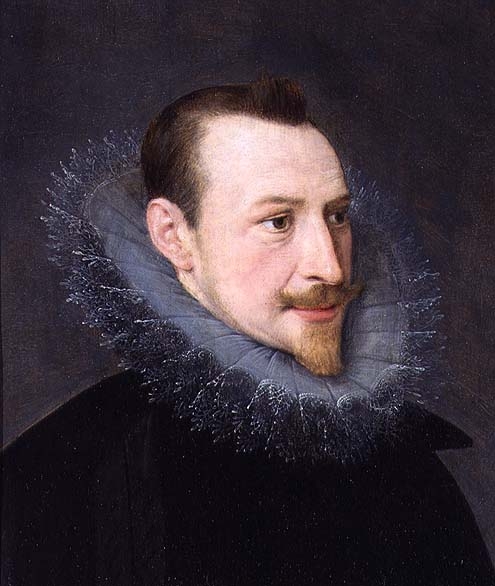
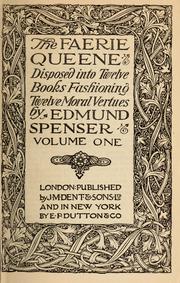
Edmund Spenser was an English poet best known for The Faerie Queene, an epic poem and fantastical allegory celebrating the Tudor dynasty and Elizabeth I. He is recognized as one of the premier craftsmen of nascent Modern English verse, and he is considered one of the great poets in the English language.
Source: Wikipedia (CC BY-SA). Portrait by English School / Unidentified painter (Public domain) via Wikimedia Commons.
Life on the Timeline
Major Works
Exam Dossier
Most-asked topics
- The Faerie Queene: allegory, structure, and the Letter to Raleigh
- The Spenserian stanza: form and later imitators
- The Shepheardes Calender and the pastoral tradition
- Amoretti and Epithalamion: the Elizabethan sonnet sequence and marriage ode
- Spenser and Elizabeth I / the Tudor myth (Gloriana)
- Spenser's archaic diction and Ben Jonson's criticism
- Spenser in Ireland: A View of the Present State of Ireland and colonial readings
- Critical epithets: 'poet's poet', 'sage and serious Spenser'
- Characters and virtues of the six completed books of The Faerie Queene
- Prothalamion and the refrain 'Sweet Thames, run softly'
Previous-year themes
- Identifying the knights and virtues of the books of The Faerie Queene
- The rhyme scheme and structure of the Spenserian stanza
- Chronology of Spenser's works (1579-1596)
- Matching famous critical remarks (Lamb, Milton, Jonson, Dryden) to their authors
- The dedication and structure of The Shepheardes Calender
- Epithalamion and Prothalamion as marriage poems and their occasions
- Allegorical identifications: Gloriana, Duessa, Archimago, Una
- Spenser's relation to Chaucer, Sidney, and the Elizabethan literary milieu
Common confusions
- Epithalamion vs Prothalamion: Epithalamion (1595) celebrates Spenser's OWN wedding to Elizabeth Boyle; Prothalamion (1596) is a betrothal poem for the Earl of Worcester's daughters — 'pro' comes before the wedding.
- Amoretti (Spenser, for Elizabeth Boyle) vs Astrophil and Stella (Sidney, for Penelope Devereux): both Elizabethan sonnet sequences, but Amoretti uniquely ends in marriage.
- The two installments of The Faerie Queene: Books I-III in 1590, Books IV-VI in 1596 — do not treat 1596 as the whole poem's first publication.
- Archimago vs Duessa: Archimago is the male enchanter of false images (hypocrisy); Duessa is the false woman (falsehood/duplicity, often read as Mary, Queen of Scots). Una is the true Church.
- Spenserian stanza (9 lines, ababbcbcc, final alexandrine) vs rhyme royal (7 lines, ababbcc, Chaucer) vs ottava rima (8 lines, abababcc).
- Colin Clout: Spenser's pastoral persona in both The Shepheardes Calender and Colin Clouts Come Home Againe — the name is borrowed from John Skelton's earlier satire Colyn Cloute.
Memory tricks
Virtues of FQ Books I-VI: 'Holy Tempers Chase Friendly Just Courtesy' — Holiness, Temperance, Chastity, Friendship, Justice, Courtesy.
Knights in order: Redcrosse, Guyon, Britomart, (Cambell/Triamond), Artegall, Calidore — 'Real Gentlemen Bring Chivalry Across Countries'.
Spenserian stanza: 8 + 1 — eight pentameters plus one alexandrine; rhyme ababbcbcc (only three rhymes: a, b, c).
Dates ladder: 1579 Calender → 1590 FQ I-III → 1591 Complaints → 1595 Amoretti/Epithalamion → 1596 FQ IV-VI, Fowre Hymnes, Prothalamion.
PRO-thalamion = PRE-wedding (betrothal); EPI-thalamion = the wedding day itself (Spenser's own).
Epithets pair-up: Lamb = 'poet's poet'; Milton = 'sage and serious'; Jonson = 'writ no language'; Dryden = 'Milton was the poetical son of Spenser'.