Romantic
John Keats
1795 – 1821
English Romantic poet (1795–1821)
- United Kingdom of Great Britain and Ireland
- British
- Romanticism
About
John Keats was an English poet of the second generation of Romantic poets, along with Lord Byron and Percy Bysshe Shelley. His poems had been in publication for less than four years when he died of tuberculosis at the age of 25. They were indifferently received in his lifetime, but his fame grew rapidly after his death. By the end of the century, he was placed in the canon of English literature, strongly influencing many writers of the Pre-Raphaelite Brotherhood; the Encyclopædia Britannica of 1888 described his "Ode to a Nightingale" as "one of the final masterpieces".
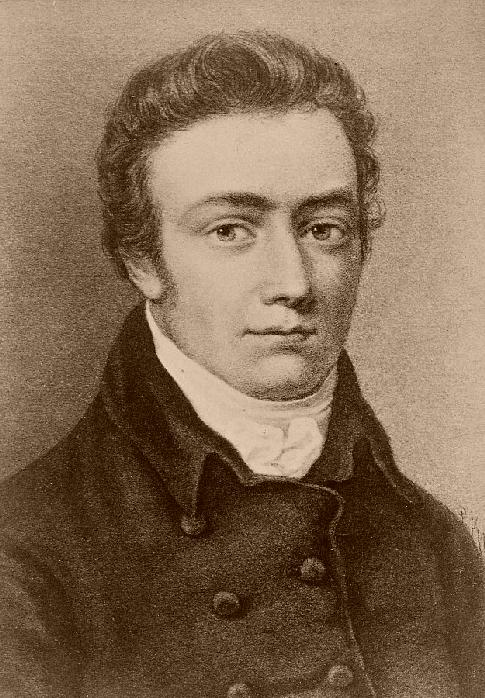
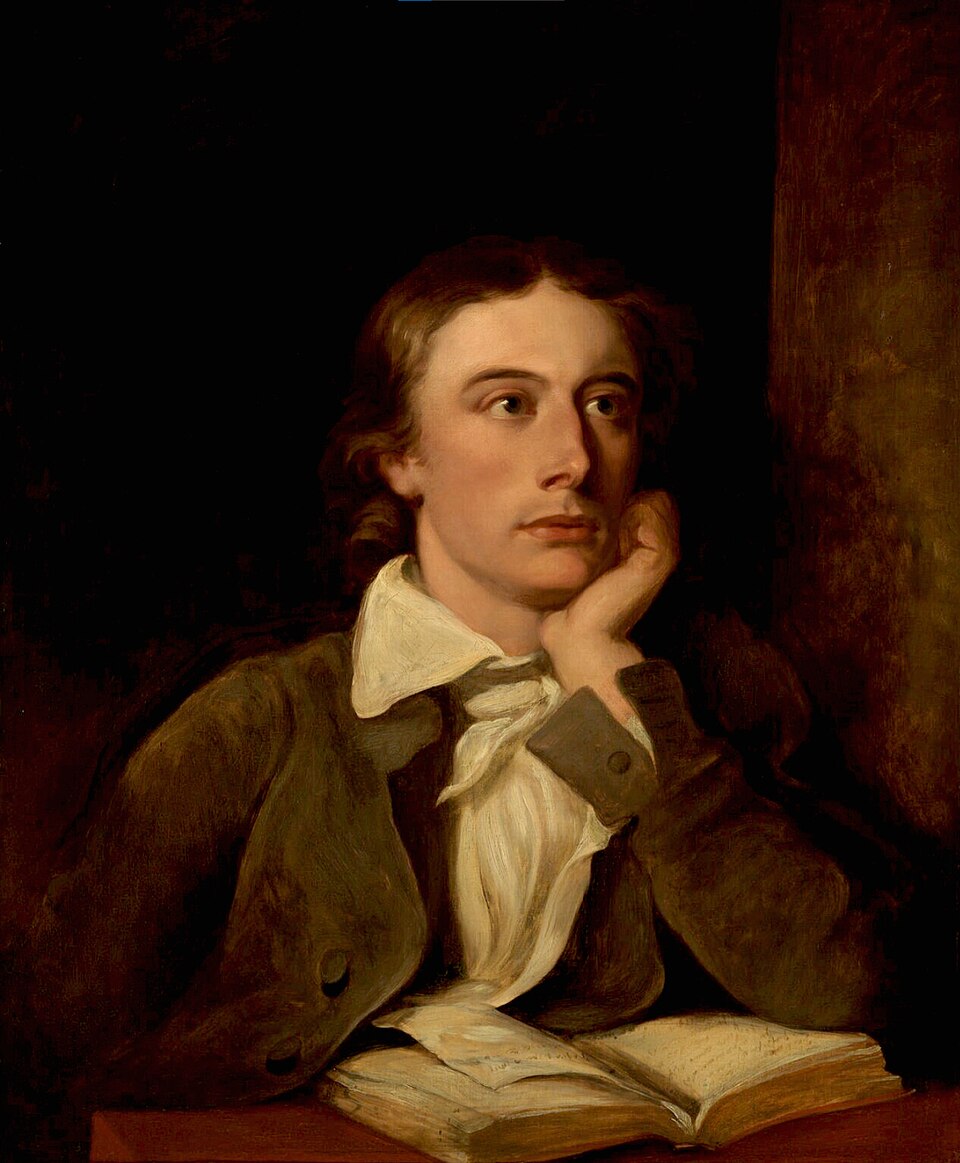
Source: Wikipedia (CC BY-SA). Portrait by William Hilton (Public domain) via Wikimedia Commons.
Life on the Timeline
Major Works
No works have been hung in this gallery yet — the acquisitions team is at work.
Exam Dossier
Most-asked topics
- The great odes of 1819 (Nightingale, Grecian Urn, Psyche, Melancholy, Indolence, To Autumn)
- Negative Capability and the letters of Keats
- Narrative poems: Endymion, Isabella, The Eve of St. Agnes, Lamia
- The Hyperion fragments (Hyperion and The Fall of Hyperion: A Dream)
- Sonnets: 'On First Looking into Chapman's Homer', 'Bright Star', 'When I have fears'
- Hostile contemporary reception: the 'Cockney School' attacks in Blackwood's and the Quarterly Review
- Keats's Hellenism and sensuous imagery
- Biography: Guy's Hospital, Fanny Brawne, death in Rome, Shelley's Adonais
- Verse forms of the narrative poems (Spenserian stanza, ottava rima, heroic couplets, blank verse)
- Second-generation Romanticism: Keats, Byron, Shelley
Previous-year themes
- Identifying the ode from a quoted line (especially 'Beauty is truth' and 'Season of mists')
- The Negative Capability letter: definition, date, and addressee
- Matching narrative poems with their stanza forms and sources
- The Cortez/Balboa error in the Chapman's Homer sonnet
- Chronology of Keats's three published volumes (1817, 1818, 1820)
- Concepts from the letters: egotistical sublime, camelion poet, vale of Soul-making
- Adonais as a pastoral elegy on Keats and its place in the elegy tradition
- The critical attacks on Endymion and the 'Cockney School of Poetry' label
Common confusions
- Cortez vs Balboa: Keats names 'stout Cortez' in the Chapman's Homer sonnet, but historically Balboa first saw the Pacific from Darien — the error itself is a favourite exam point.
- Stanza forms of the 1820 narrative poems: The Eve of St. Agnes = Spenserian stanza; Isabella = ottava rima; Lamia = heroic couplets; Hyperion = blank verse — students routinely swap these.
- Hyperion vs The Fall of Hyperion: A Dream — the first is a Miltonic epic fragment (published 1820); the second is a Dantean dream-vision recasting with the prophetess Moneta (published posthumously 1856-57).
- Elegies mix-up: Adonais (Shelley on Keats) vs Lycidas (Milton on Edward King) vs Thyrsis (Arnold on Clough) vs In Memoriam (Tennyson on Hallam).
- Negative Capability (letter to George and Tom, Dec 1817) vs 'egotistical sublime'/'camelion poet' (letter to Woodhouse, Oct 1818) vs 'vale of Soul-making' (long journal-letter to George and Georgiana, 1819) — different letters, different addressees.
- Sources: Isabella comes from Boccaccio's Decameron, while Lamia comes from an anecdote in Burton's Anatomy of Melancholy; 'La Belle Dame sans Merci' borrows its title from a poem by the medieval French poet Alain Chartier.
Memory tricks
Publication ladder 17-18-19-20: Poems 1817, Endymion 1818, odes composed 1819, Lamia volume 1820 — the years simply count up.
Odes mnemonic 'PIN-GMA': Psyche, Indolence, Nightingale, Grecian Urn, Melancholy, Autumn — the six 1819 odes.
Isabella has an 8-letter heroine and ottava (eight-line) rima; St. AgneS starts and ends near 'S' for Spenserian Stanza; Lamia the serpent-woman glides in paired couplets.
Hyperion = 'High Milton' (Miltonic blank-verse epic); The FALL of Hyperion = a fall into a DREAM (Dantean dream-vision with Moneta).
'Cockney Cortez': the two famous Keats 'errors' exams love — the Cockney School insult and the Cortez-for-Balboa slip.
Letters map 'BGW': Bailey gets 'truth of Imagination' (1817), George & Tom get Negative Capability (Dec 1817), Woodhouse gets 'camelion poet / egotistical sublime' (1818).