Romantic
Percy Bysshe Shelley
1792 – 1822
British Romantic poet (1792–1822)
- United Kingdom of Great Britain and Ireland · Kingdom of Great Britain · Kingdom of Italy · Switzerland
- British
- Romanticism
- Literary Theory
About
Percy Bysshe Shelley was an English writer who is considered one of the major English Romantic poets. A radical in his poetry as well as in his political and social views, Shelley did not achieve fame during his lifetime, but recognition of his achievements in poetry grew steadily following his death, and he became an important influence on subsequent generations of poets, including Robert Browning, Algernon Charles Swinburne, Thomas Hardy, and W. B. Yeats. American literary critic Harold Bloom describes him as "a superb craftsman, a lyric poet without rival, and surely one of the most advanced sceptical intellects ever to write a poem."
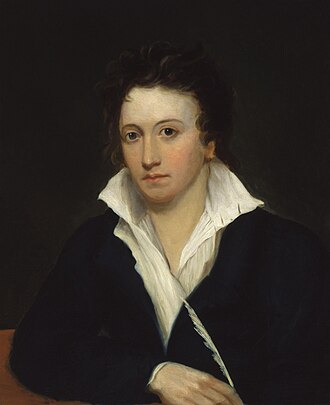
Source: Wikipedia (CC BY-SA). Portrait by After Amelia Curran (Public domain) via Wikimedia Commons.
Life on the Timeline
Major Works
Exam Dossier
Most-asked topics
- Ode to the West Wind: terza rima structure and prophetic close
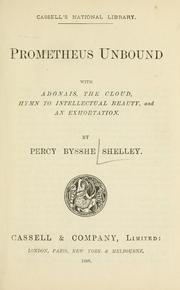
- Prometheus Unbound as lyrical drama and response to Aeschylus
- Adonais as pastoral elegy on Keats
- A Defence of Poetry and the reply to Peacock's The Four Ages of Poetry
- Ozymandias: sonnet form, irony and the Horace Smith competition
- Expulsion from Oxford for The Necessity of Atheism
- Shelley's radicalism and Godwinian political thought (Queen Mab, The Masque of Anarchy)
- Platonism and idealism in Shelley's poetry
- Chronology of major works (1810-1822)
- Critical reception: Matthew Arnold's 'ineffectual angel' vs Harold Bloom's praise
Previous-year themes
- Identifying the source work of famous lines ('Poets are the unacknowledged legislators of the world'; 'If Winter comes...')
- Prometheus Unbound: its form, acts, and relation to Aeschylus's Prometheus Bound
- Adonais placed among English pastoral elegies (Lycidas, Thyrsis, In Memoriam)
- A Defence of Poetry as a critical document and its occasion (Peacock)
- Chronological sequencing of Romantic works and of Shelley's poems
- Matching first lines and stanza forms to Shelley's odes and lyrics
- Critics' remarks on Shelley (Arnold, Eliot, Leavis, Bloom)
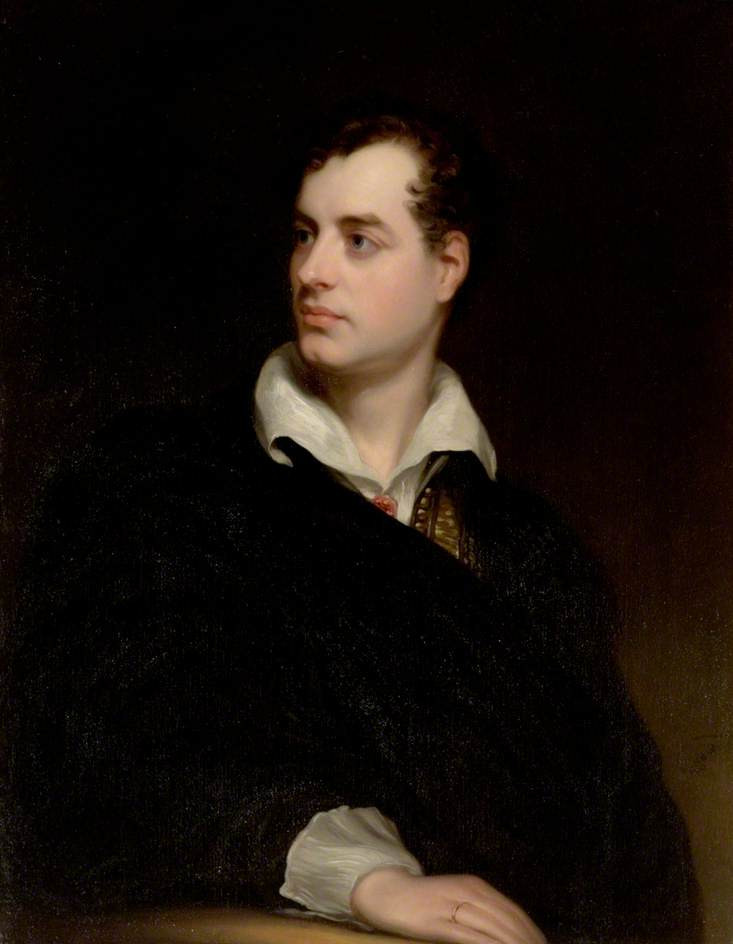
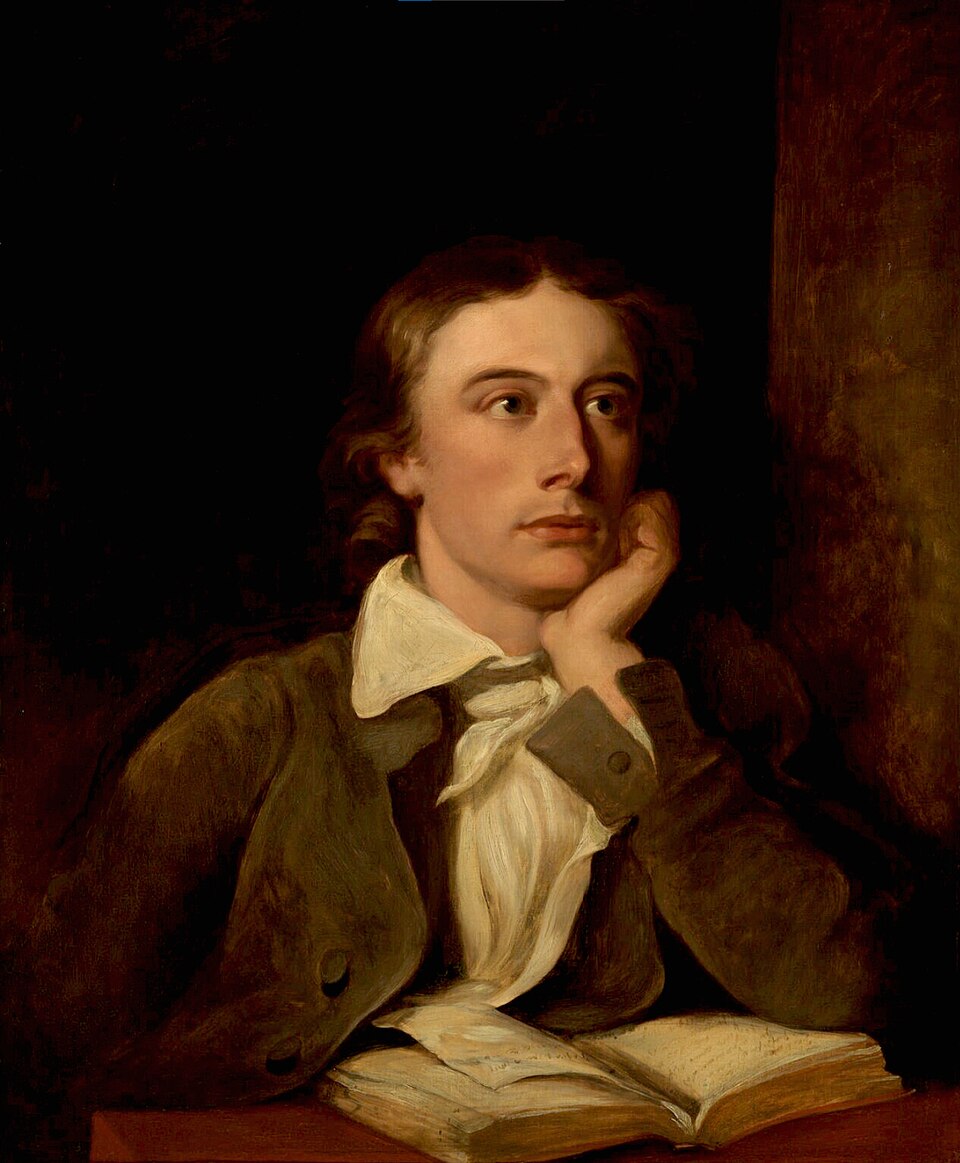
- Second-generation Romantics: Shelley, Byron, Keats as a grouping
Common confusions
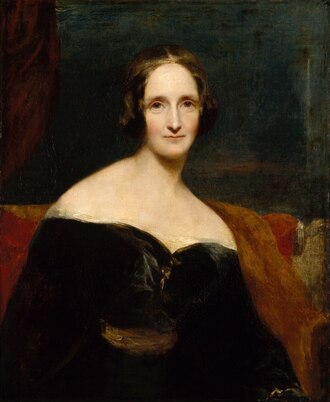
- Percy Bysshe Shelley vs Mary Shelley: Frankenstein (1818) is by Mary Shelley, his second wife, not by Percy.
- Prometheus Unbound (Shelley, 1820, lyrical drama) vs Prometheus Bound (Aeschylus, Greek tragedy) - Shelley responds to, and departs from, Aeschylus.
- Adonais (Shelley on Keats) vs Lycidas (Milton on Edward King), Thyrsis (Arnold on Clough) and In Memoriam (Tennyson on Hallam) - the elegy chain is heavily tested.
- A Defence of Poetry (Shelley, reply to Peacock) vs An Apology/Defence of Poesy (Sidney, reply to Gosson).
- Ode to the West Wind was written in 1819 but published in 1820 in the Prometheus Unbound volume - date questions exploit this gap.
- In Julian and Maddalo, Julian represents Shelley and Maddalo represents Byron - students often reverse the two.
Memory tricks
QAOPA order: Queen Mab (1813), Alastor (1816), Ozymandias (1818), Prometheus (1820), Adonais (1821) - roughly odd-year steps 13-16-18-20-21.
1820 bumper volume: Prometheus Unbound came with West Wind, Cloud and Skylark - remember 'PU + Wind, Water-vapour, Wings'.
Elegy chain mnemonic 'L-A-I-T' by date: Lycidas (1637), Adonais (1821), In Memoriam (1850), Thyrsis (1866) - Adonais is second, by Shelley, on Keats.
Defence pairs: Sidney answers Gosson; Shelley answers Peacock - 'S-G, S-P'.
West Wind form: 5 sections x 14 lines; 'terza rima sonnets' - think Dante's rhyme inside an English sonnet frame.
1811 = Necessity of Atheism = expelled from Oxford; 1822 = drowned in the Gulf of Spezia - 11 years from expulsion to death.