Romantic
Samuel Taylor Coleridge
1772 – 1834
English poet, literary critic and philosopher (1772–1834)
- Kingdom of Great Britain · United Kingdom of Great Britain and Ireland
- British
- Romanticism
- Lake Poets
- Literary Theory
About
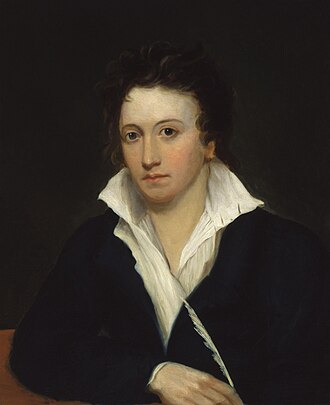
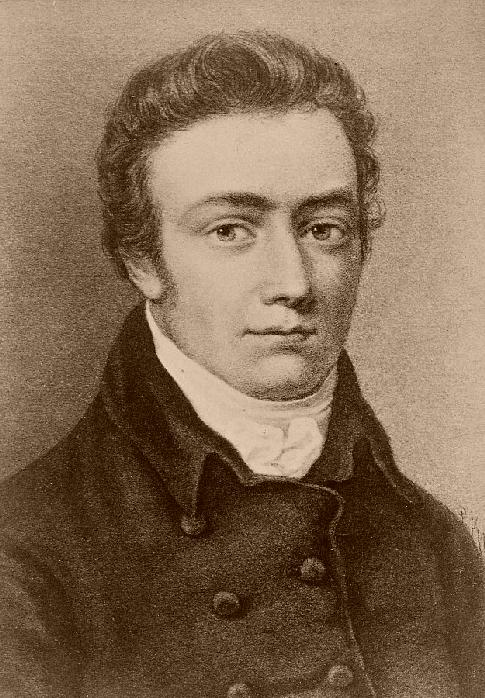
Samuel Taylor Coleridge was an English poet, literary critic, philosopher, and theologian who was a founder of the Romantic Movement in England and a member of the Lake Poets with his friend William Wordsworth. He also shared volumes and collaborated with Charles Lamb, Robert Southey, and Charles Lloyd.
Source: Wikipedia (CC BY-SA). Portrait by Unknown authorUnknown author (Public domain) via Wikimedia Commons.
Life on the Timeline
Major Works
Exam Dossier
Most-asked topics
- The Rime of the Ancient Mariner: narrative, symbolism and glosses
- Kubla Khan: composition story, preface and fragment status
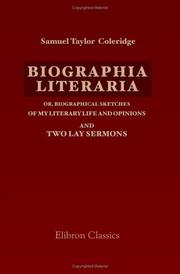
- Biographia Literaria: Fancy vs Imagination, Chapters 13 and 14
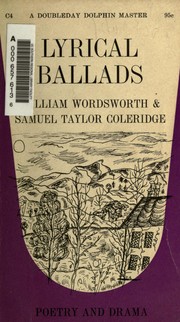
- Lyrical Ballads (1798) collaboration with Wordsworth
- Willing suspension of disbelief and other critical formulations
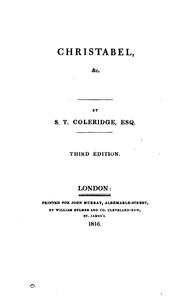
- Christabel and the Gothic supernatural; Christabel metre
- Conversation Poems: Frost at Midnight, The Eolian Harp, This Lime-Tree Bower My Prison
- Dejection: An Ode and the crisis of imagination
- Coleridge as critic of Shakespeare and of Wordsworth's theory of poetic diction
- Pantisocracy scheme with Robert Southey
Previous-year themes
- Definition and distinction of Primary Imagination, Secondary Imagination and Fancy in Biographia Literaria
- The division of labour between Coleridge and Wordsworth in Lyrical Ballads ('persons and characters supernatural')
- Source-attribution of famous lines from The Rime of the Ancient Mariner and Kubla Khan
- The 'willing suspension of disbelief' phrase — its exact wording and location
- Coleridge's critique of Wordsworth's Preface and theory of poetic diction
- The circumstances of composition of Kubla Khan (opium dream, person from Porlock)
- Coleridge's definition of poetry as 'the best words in the best order' and organic form
- Chronology of Coleridge's major poems and prose works
Common confusions
- Chapter 13 vs Chapter 14 of Biographia Literaria: Ch. 13 = Imagination/Fancy distinction; Ch. 14 = plan of Lyrical Ballads, willing suspension of disbelief, definition of a poem/poet.
- Composition vs publication dates: Kubla Khan and Christabel were composed 1797-1800 but published only in 1816; The Rime appeared in 1798.
- 'Nor any drop to drink' (correct) vs the popular misquotation 'and not a drop to drink'.
- Alph (the sacred river in Kubla Khan) vs Abora (the mount sung by the Abyssinian maid) — students swap the two names.
- The marginal prose glosses of The Ancient Mariner were added in Sibylline Leaves (1817), not in the 1798 text.
- Coleridge's 'esemplastic' (shaping into one) power belongs to Imagination, not Fancy; Fancy is 'a mode of memory' working with 'fixities and definites'.
Memory tricks
'13 Imagines, 14 Believes': Biographia Ch. 13 = Imagination/Fancy; Ch. 14 = willing suspension of disbelief.
KC-1816: Kubla Khan and Christabel both Kame out in 1816; Biographia one year later, 1817.
ALPH-abet begins Kubla Khan: Alph is the sacred river at the poem's start; ABora comes AFTER (Abyssinian maid).
Mariner's arc: 'Shoot bird → ship becalmed → bless snakes → penance of telling' — Albatross, Becalmed, Bless, Confess (A-B-B-C).
PANtisocracy = PAN (all) + iso (equal) + cracy (rule): 'all rule equally' — the Susquehanna plan with Southey.
Division of Lyrical Ballads: Coleridge = Supernatural made real; Wordsworth = Real made wonderful (C-Super, W-Common).