Romantic
Lord Byron
1788 – 1824
English Romantic poet and lyricist (1788–1824)
- United Kingdom of Great Britain and Ireland · Kingdom of Great Britain · United Kingdom
- British
- Romanticism
About
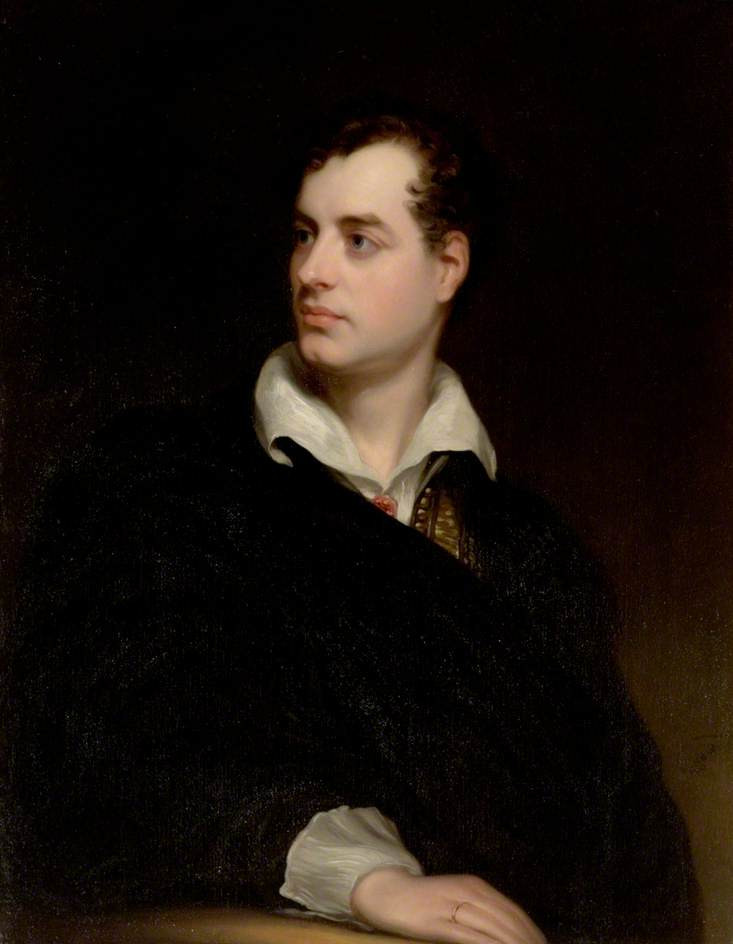
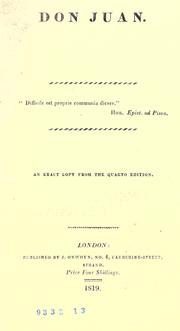
George Noel Gordon Byron, 6th Baron Byron, was a British poet. He was one of the major figures of the Romantic movement, and is regarded as being among the greatest British poets. Among his best-known works are the lengthy narratives Don Juan and Childe Harold's Pilgrimage; many of his shorter lyrics in Hebrew Melodies also became popular.
Source: Wikipedia (CC BY-SA). Portrait by Thomas Phillips (Public domain) via Wikimedia Commons.
Life on the Timeline
Major Works
Exam Dossier
Most-asked topics
- The Byronic hero and its characteristics
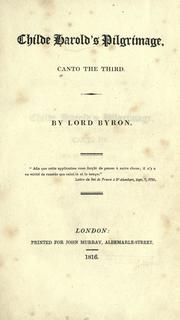
- Childe Harold's Pilgrimage as travel-narrative poem
- Don Juan as satiric epic and its verse form (ottava rima)
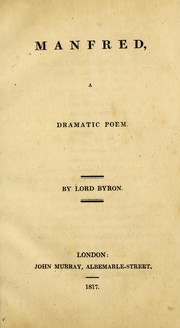
- Manfred as closet drama and Faustian/Promethean hero
- Byron's role in second-generation Romanticism
- Byron's satire: English Bards and Scotch Reviewers
- The Byron-Shelley circle and the Villa Diodati summer of 1816
- Byron's philhellenism and death at Missolonghi
Previous-year themes
- Identifying features of the Byronic hero across texts
- Byron's place among the Romantic poets (first vs second generation)
- Verse form and stanza patterns used by Byron (Spenserian stanza, ottava rima)
- Byron's satirical mode versus his romantic/Oriental verse tales
- Autobiographical and biographical elements in Byron's poetry
- Byron's engagement with Continental and Greek politics
- Comparative questions linking Byron with Shelley and Keats
Common confusions
- Confusing Byron (second-generation Romantic) with Wordsworth or Coleridge (first-generation Romantics)
- Confusing the Spenserian stanza of Childe Harold's Pilgrimage with the ottava rima of Don Juan
- Confusing Lady Caroline Lamb's description of Byron ('mad, bad, and dangerous to know') with Byron's own self-description
- Confusing the Byronic hero with a generic Gothic villain
- Confusing Byron's early Oriental verse tales (The Giaour, The Corsair) with his later satiric mode (Beppo, Don Juan)
- Confusing Manfred (closet drama, Alpine setting) with Cain (biblical mystery play)
Memory tricks
Byronic hero: Brooding, Isolated, defiant, guilt-ridden, charismatic outsider
Don Juan's stanza: 'ottava rima' has 8 lines - think 'Don Juan's 8-count'
Missolonghi = Mission to Greece, where Byron died in 1824
Villa Diodati 1816: Byron + Shelleys + Polidori -> Frankenstein and The Vampyre born that stormy summer
Childe Harold = the wandering Pilgrim; Don Juan = the roguish Picaro
English Bards and Scotch Reviewers = Byron's early satire, in the Popean couplet tradition