Renaissance
Ben Jonson
1572 – 1637
English playwright, poet, and actor (1572-1637)
- Kingdom of England · England
- British
About
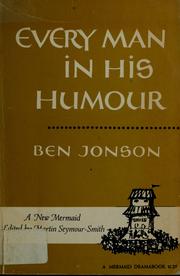
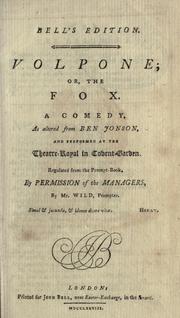
Ben Jonson was an English actor, poet and playwright. Jonson's artistry exerted a lasting influence on English poetry and stage comedy. He popularised the comedy of humours; he is best known for the satirical plays Every Man in His Humour (1598), Volpone, or The Fox, The Alchemist (1610), and Bartholomew Fair (1614), and for his lyric and epigrammatic poetry. He is regarded as "the second most important English dramatist, after William Shakespeare, during the reign of James I."
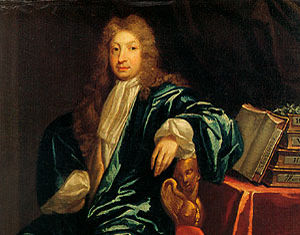
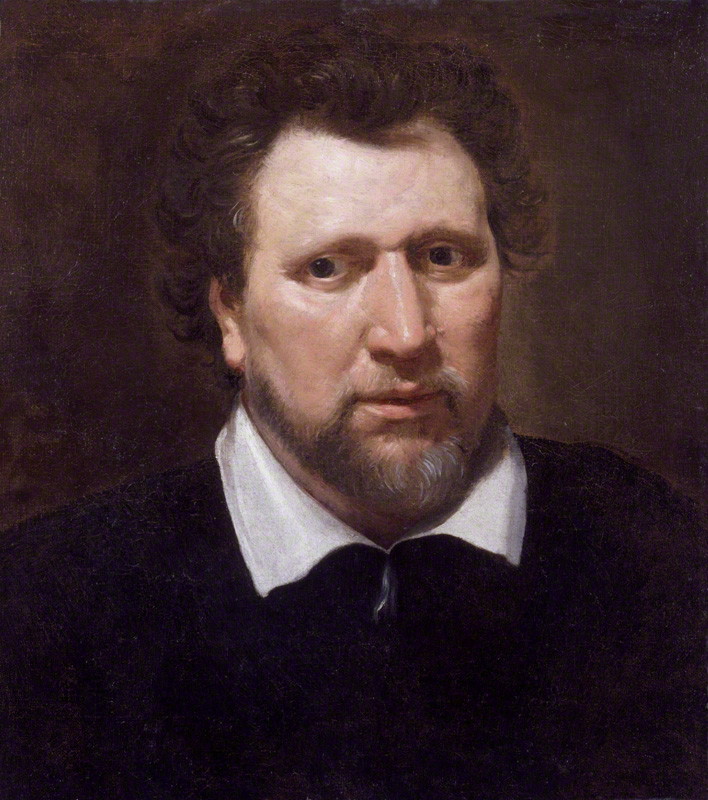
Source: Wikipedia (CC BY-SA). Portrait by After Abraham van Blijenberch (Public domain) via Wikimedia Commons.
Life on the Timeline
Major Works
Exam Dossier
Most-asked topics
- Comedy of humours: theory and practice
- Volpone: beast fable, characters, and satire on greed
- The Alchemist and the unities (classical construction)
- Bartholomew Fair and Jacobean city comedy
- Court masques with Inigo Jones and the antimasque
- The 1616 Folio Works and Jonson's authorial self-fashioning
- Jonson's poetry: Epigrams, The Forest, 'To Penshurst', 'Song: To Celia'
- Jonson on Shakespeare: the First Folio eulogy (1623)
- Sons of Ben / Tribe of Ben and the Cavalier poets
- Timber, or Discoveries and Jonson's classicism/criticism
Previous-year themes
- Identifying the comedy of humours and its definition from Every Man Out of His Humour's Induction
- Matching Jonson's plays with their dates and subtitles (Volpone, or The Fox; Epicoene, or The Silent Woman)
- Character-to-play matching (Mosca, Subtle, Morose, Zeal-of-the-Land Busy)
- Lines from the First Folio eulogy on Shakespeare ('not of an age, but for all time', 'small Latin and less Greek')
- The beast-fable naming scheme in Volpone
- Jonson's masques, the antimasque, and collaboration/quarrel with Inigo Jones
- Jonson's Roman tragedies Sejanus and Catiline
- The 1616 Folio and Jonson as the first English poet laureate figure
Common confusions
- Every Man IN His Humour (1598) vs Every Man OUT of His Humour (1599) — the second, not the first, defines 'humour' in its Induction.
- Subtitles swapped: Volpone, or The Fox vs Epicoene, or The Silent Woman — students routinely attach the wrong subtitle.
- Comedy of humours (Jonson, character ruled by one trait) vs comedy of manners (Restoration — Congreve, Etherege).
- Ben Jonson (no 'h', d. 1637) vs Samuel Johnson (18th-century lexicographer) — spelling traps in options.
- Jonson wrote the masques; Inigo Jones designed the scenery — their roles (and their quarrel) are often reversed.
- Sejanus and Catiline are Jonson's TRAGEDIES; distractors often list them among his comedies. Likewise Bartholomew Fair is a comedy, not a masque.
Memory tricks
Big four comedies in order — 'Very Eager Alchemists Buy': Volpone (1606), Epicoene (1609), Alchemist (1610), Bartholomew Fair (1614).
Volpone's menagerie — 'Fox hires a Fly; Vulture, Raven, Crow come to feed': Volpone-fox, Mosca-fly, Voltore-vulture, Corbaccio-raven, Corvino-crow.
1616 = Jonson's Folio Works published AND Shakespeare dies — one year, two landmark facts.
Alchemist trio: 'Subtle Face of Dol' — Subtle, Face, Dol Common cheat clients like Sir Epicure Mammon.
'O Rare Ben Jonson' — buried UPRIGHT (rare posture, rare poet) in Westminster Abbey.
Sons of Ben = Cavalier line: Herrick, Carew, Suckling, Lovelace — 'HCSL: His Cavalier Sons Live'.