Renaissance
Christopher Marlowe
1564 – 1593
English dramatist, poet and translator (1564–1593)
- Kingdom of England
- British
- University Wits
- english-renaissance-theatre
About
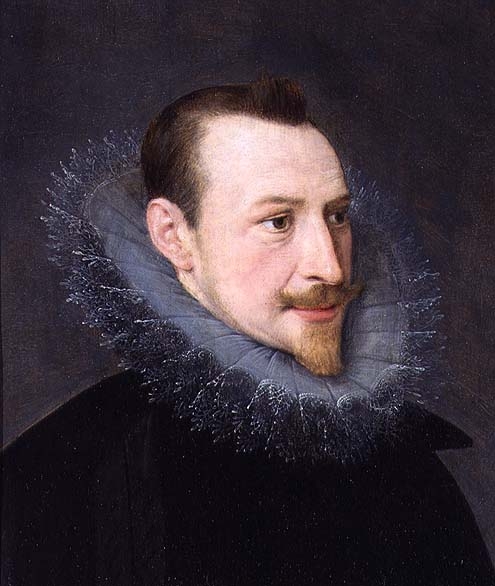
Christopher Marlowe, also known as Kit Marlowe, was an English playwright, poet, and translator of the Elizabethan era. Marlowe is among the most famous of the Elizabethan playwrights. Based upon the "many imitations" of his play Tamburlaine, modern scholars consider him to have been the foremost dramatist in London in the years just before his mysterious early death. Some scholars also believe that he greatly influenced William Shakespeare, who was baptised in the same year as Marlowe and later succeeded him as the preeminent Elizabethan playwright. Marlowe was the first to achieve critical reputation for his use of blank verse, which became the standard for the era. His plays are distinguished by their overreaching protagonists. Themes found within Marlowe's literary works have been noted as humanistic with realistic emotions, which some scholars find difficult to reconcile with Marlowe's "anti-intellectualism" and his catering to the prurient tastes of his Elizabethan audiences for generous displays of extreme physical violence, cruelty, and bloodshed.
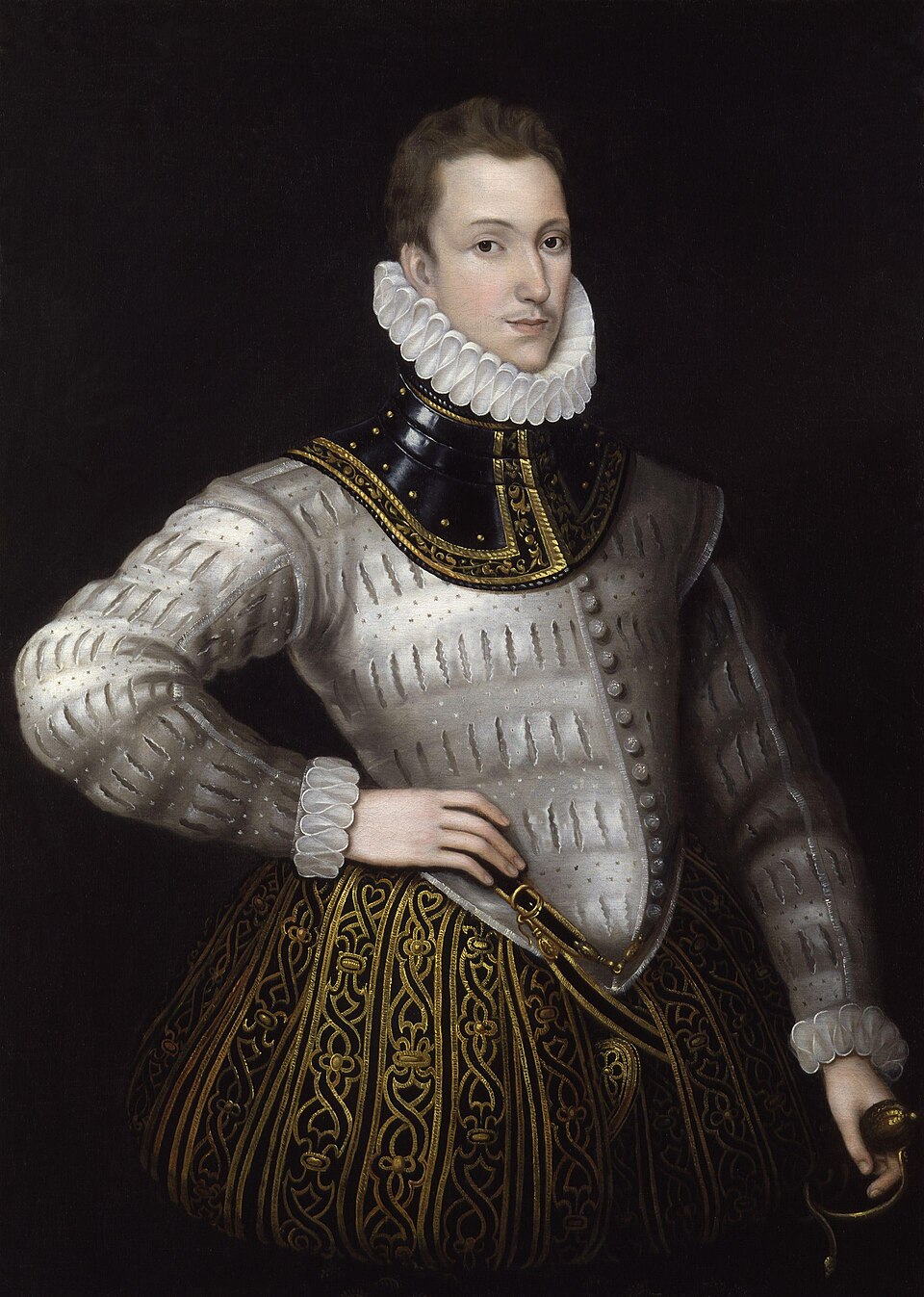
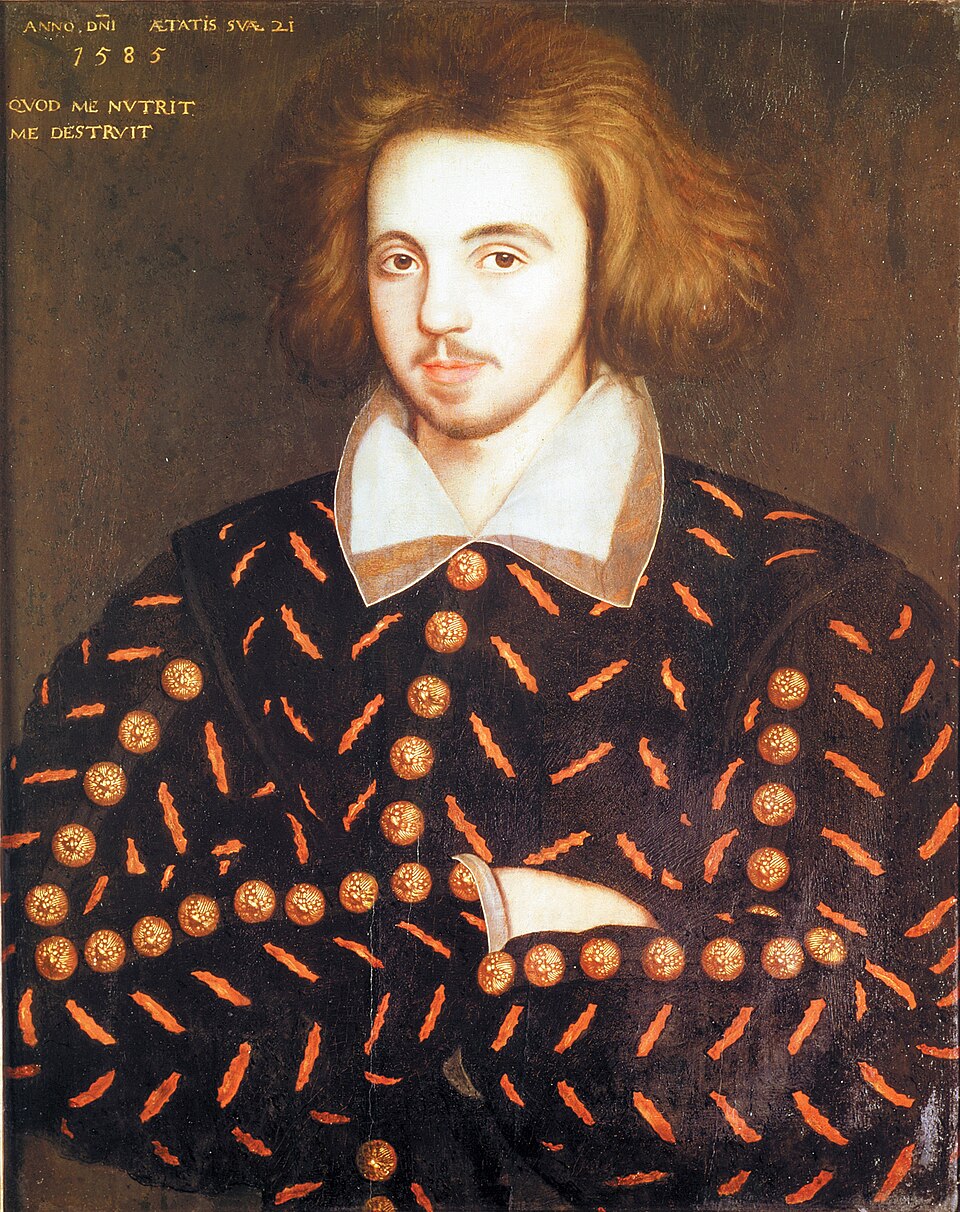
Source: Wikipedia (CC BY-SA). Portrait by anonymous (Public domain) via Wikimedia Commons.
Life on the Timeline
Major Works
Exam Dossier
Most-asked topics
- Doctor Faustus: the Renaissance overreacher and the morality-play inheritance
- Blank verse and Marlowe's 'mighty line'
- The University Wits and pre-Shakespearean drama
- Tamburlaine and the aspiring mind of the Renaissance
- The Jew of Malta and the Machiavellian villain
- Edward II as English history play and its influence on Shakespeare's Richard II
- Hero and Leander and the Elizabethan erotic epyllion
- 'The Passionate Shepherd to His Love' and the pastoral invitation tradition
- Marlowe's mysterious death at Deptford (1593) and biographical criticism
- A-text vs B-text of Doctor Faustus
Previous-year themes
- Identifying the speaker/context of famous lines from Doctor Faustus (Helen of Troy passage, final soliloquy)
- Matching Marlowe's plays with their protagonists and sources
- Chronological ordering of Marlowe's plays and of University Wits' works
- Ben Jonson's phrase 'Marlowe's mighty line' and other critical remarks on Marlowe
- The Passionate Shepherd to His Love paired with Raleigh's 'The Nymph's Reply'
- Hero and Leander left unfinished and completed by George Chapman
- The Machiavellian prologue and villainy in The Jew of Malta
- Marlowe-Shakespeare relations: same birth year, influence, Edward II/Richard II
Common confusions
- Doctor Faustus A-text (published 1604) vs the longer B-text (1616) — NET questions often hinge on the 1604 date.
- Marlowe's Edward II vs Shakespeare's Richard II: both deposition tragedies of weak kings; Marlowe's came first and influenced Shakespeare's.
- Barabas (The Jew of Malta) vs Shylock (The Merchant of Venice): Marlowe's Machiavellian caricature vs Shakespeare's more complex figure.
- 'The Passionate Shepherd to His Love' (Marlowe) vs 'The Nymph's Reply to the Shepherd' (Raleigh) — students swap authors.
- Hero and Leander completed by George Chapman — not to be confused with Chapman's own fame as translator of Homer.
- Thomas Kyd is often wrongly listed as a University Wit; he shared lodgings with Marlowe but was not university-educated. Marlowe attended Cambridge (Corpus Christi), not Oxford.
- Doctor Faustus's composition date is disputed between c. 1588-89 (traditional view, right after Tamburlaine) and c. 1592 (later scholarly view, making it Marlowe's last play) — treat any single-year placement in a chronology list as a convention, not a settled fact.
Memory tricks
Play order mnemonic D-T-J-E-F-M: 'Dizzy Tigers Judge Edward, Faustus Mourns' — Dido, Tamburlaine, Jew of Malta, Edward II, Doctor Faustus, Massacre at Paris (Faustus's exact date is disputed; this is the commonly cited teaching order).
1564-1593: born with Shakespeare (1564), dead at 29 — 'two 1564 babies; only one survived the 1590s'.
'Mighty line' = Jonson's coin; think 'Ben weighs the line' (Jonson praises Marlowe's blank verse in the First Folio poem).
Deptford death: remember 'the Reckoning' — a quarrel over the bill; killer Ingram Frizer ('the bill froze him — Frizer').
Overreachers rhyme: 'Tamburlaine wants the crown, Faustus wants to know, Barabas wants the gold, Edward lets it go' — power, knowledge, wealth, and a king who loses all three.
Translations: 'Marlowe loved OVid and LUcan' — Ovid's Amores + Lucan's Pharsalia Book I (O-L, as in 'OLd Rome').