Modernism
F. R. Leavis
1895 – 1978
British literary critic (1895–1978)
- United Kingdom
- British
- Practical Criticism / Scrutiny
- Literary Theory
About
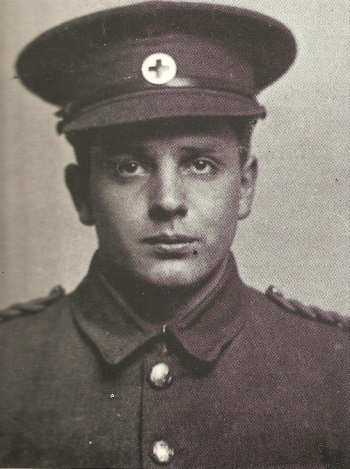
Frank Raymond "F. R." Leavis was an English literary critic of the early-to-mid-twentieth century. He taught for much of his career at Downing College, Cambridge, and later at the University of York.
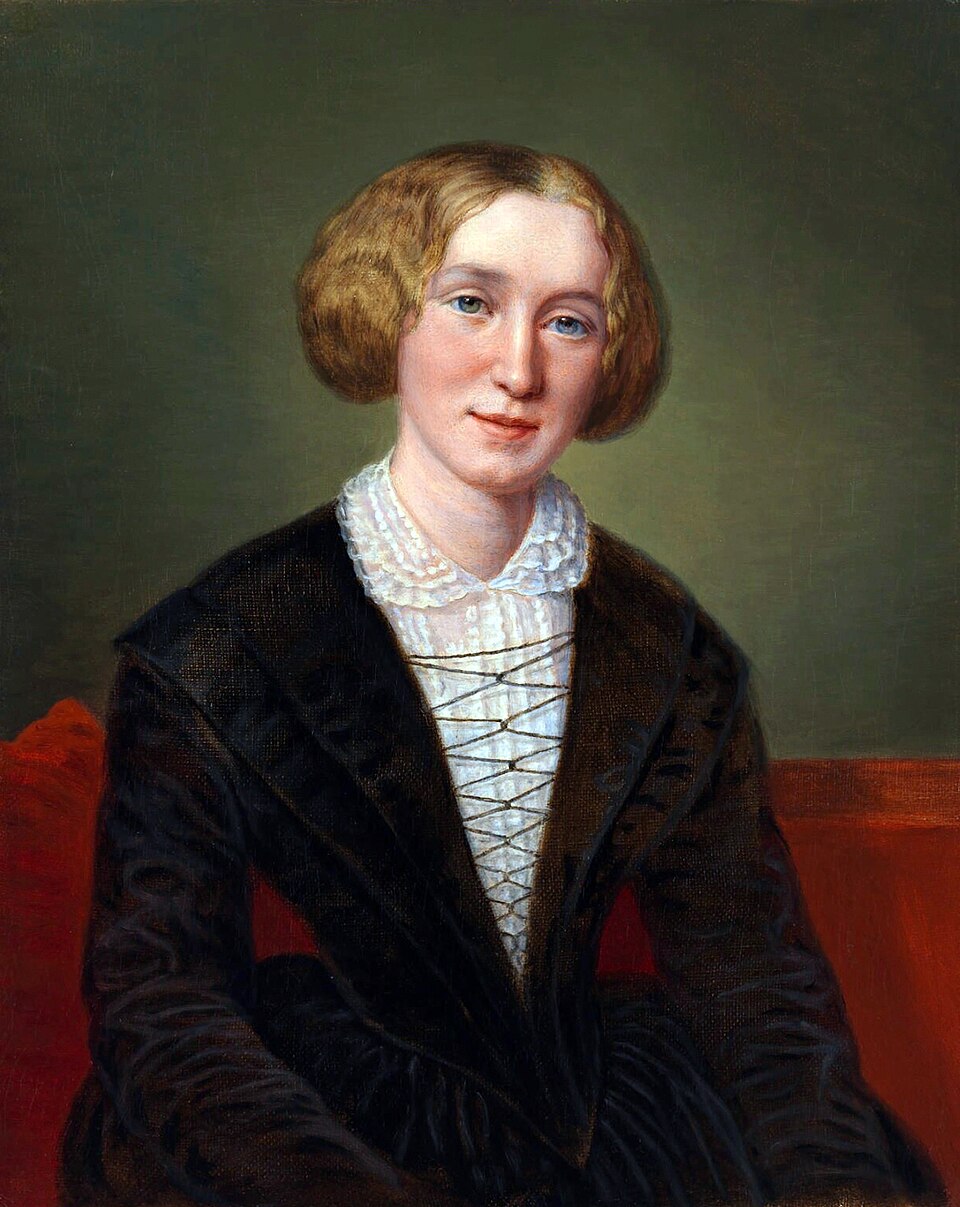
Source: Wikipedia (CC BY-SA). Portrait by Unknown authorUnknown author (Public domain) via Wikimedia Commons.
Life on the Timeline
Major Works
No works have been hung in this gallery yet — the acquisitions team is at work.
Exam Dossier
Most-asked topics
- Scrutiny and the Scrutiny movement
- The Great Tradition and the novel canon
- Practical criticism and Cambridge English
- Leavis's inclusion/exclusion of novelists (esp. Dickens)
- The 'Two Cultures' controversy with C. P. Snow
- Leavis on D. H. Lawrence
- Moral-formalist criticism / literature and 'life'
- Leavis's poetry criticism (New Bearings, Revaluation)
Previous-year themes
- Leavis's concept of the 'Great Tradition' and its four novelists
- Scrutiny journal and its critical programme
- Practical criticism as method (Richards vs Leavis)
- Leavis's evaluative/moral approach to literary criticism
- The Two Cultures debate with C. P. Snow
- Leavis's re-assessment of Dickens
- Leavis's role in institutionalizing 'English' as a university discipline
Common confusions
- Confusing Leavis with I. A. Richards: Richards pioneered practical criticism (Practical Criticism, 1929) at Cambridge; Leavis extended the method into a broader programme of moral and cultural criticism via Scrutiny.
- Confusing Leavis's journal Scrutiny with T. S. Eliot's journal The Criterion — both important interwar periodicals but with different editors and critical outlooks.
- Forgetting that Leavis originally excluded Dickens from The Great Tradition (1948) and only partly rehabilitated him later, in Dickens the Novelist (1970), written with Q. D. Leavis.
- Confusing F. R. Leavis's moral-formalist, Scrutiny-based criticism with American New Criticism (Cleanth Brooks, W. K. Wimsatt) — both stress close reading, but Leavis foregrounds moral seriousness and 'life' rather than the text's formal autonomy.
- Conflating F. R. Leavis's works with those of Q. D. Leavis, who wrote independently, notably Fiction and the Reading Public (1932).
- Confusing the original 'Two Cultures' lecture (C. P. Snow, 1959) with Leavis's 1962 reply of a similar title attacking Snow's thesis.
Memory tricks
'SCRUTINY' — remember it as Leavis's Cambridge journal of strict, close, moral reading, founded 1932.
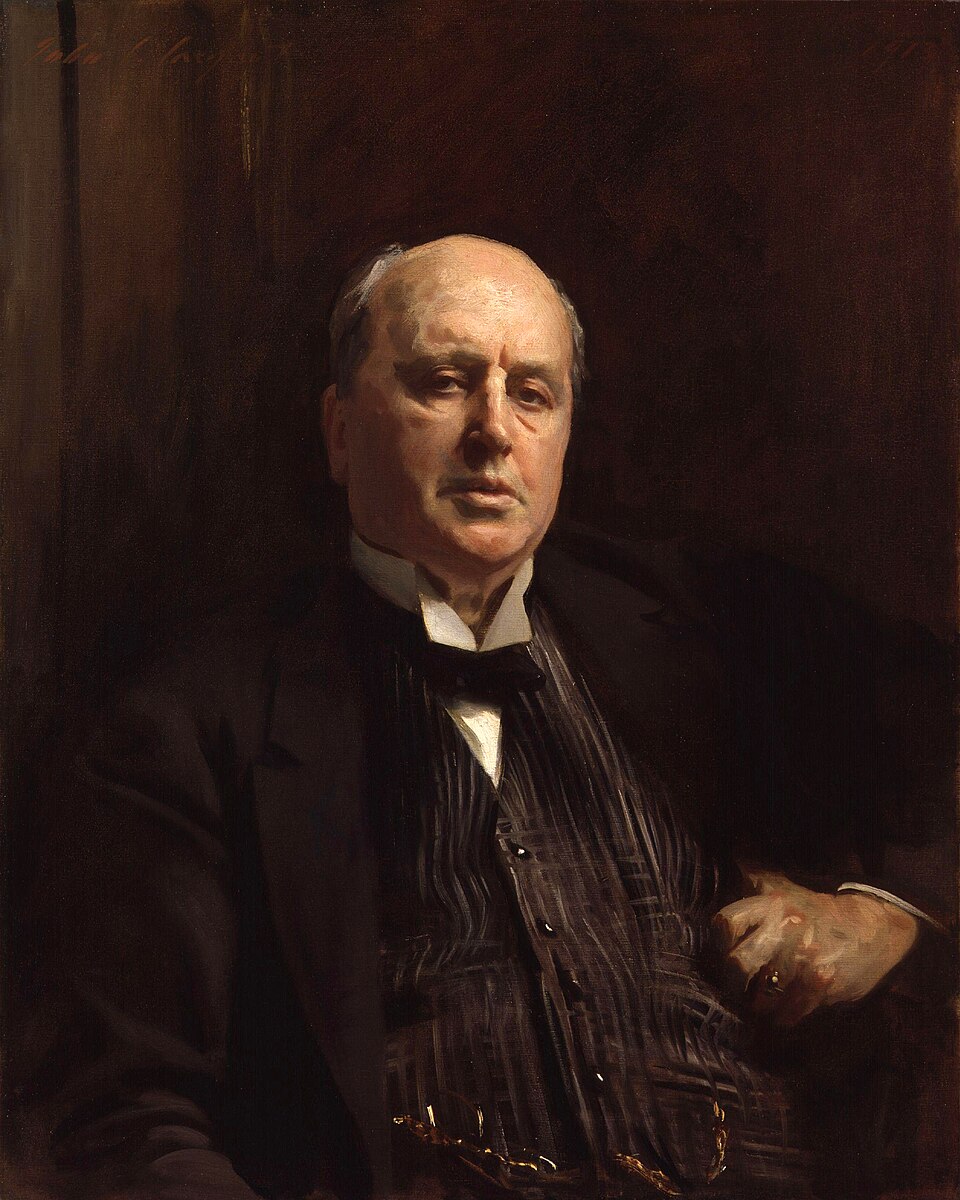
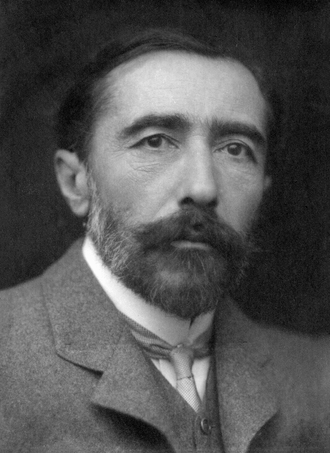
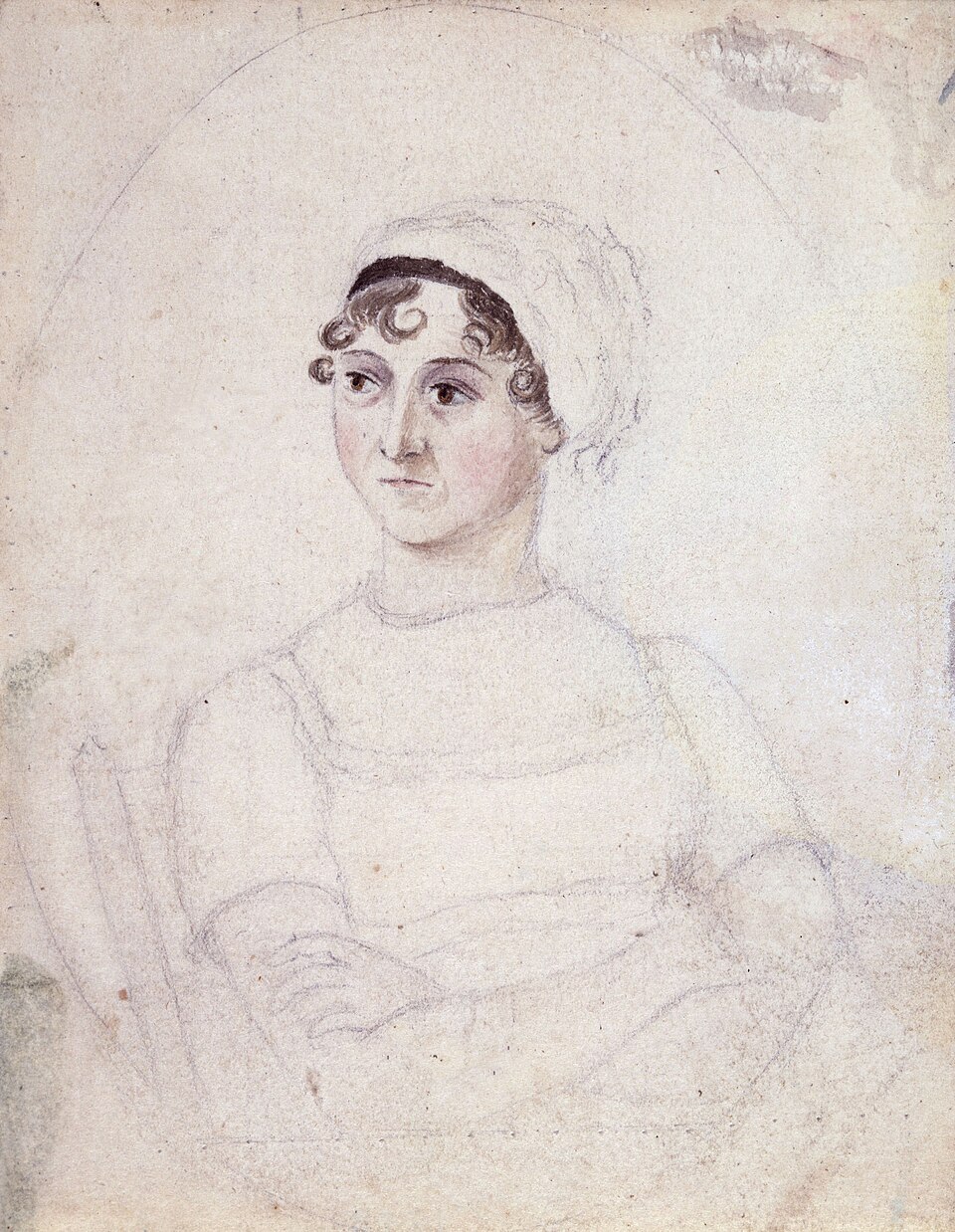
Great Tradition foursome mnemonic: 'A Emma Considers Judgment' for Austen, Eliot, (Henry) James, Conrad.
'Leavis Lives at Downing' — links Leavis firmly to Downing College, Cambridge.
Dates ladder: New Bearings '32 → Revaluation '36 → Great Tradition '48 → Common Pursuit '52 → Lawrence '55.
'Two Cultures, Two Critics, Three Years Apart' — Snow's lecture (1959) and Leavis's reply (1962).
'The Leavises' — F. R. and Q. D. Leavis as Scrutiny's critical power couple.