Victorian
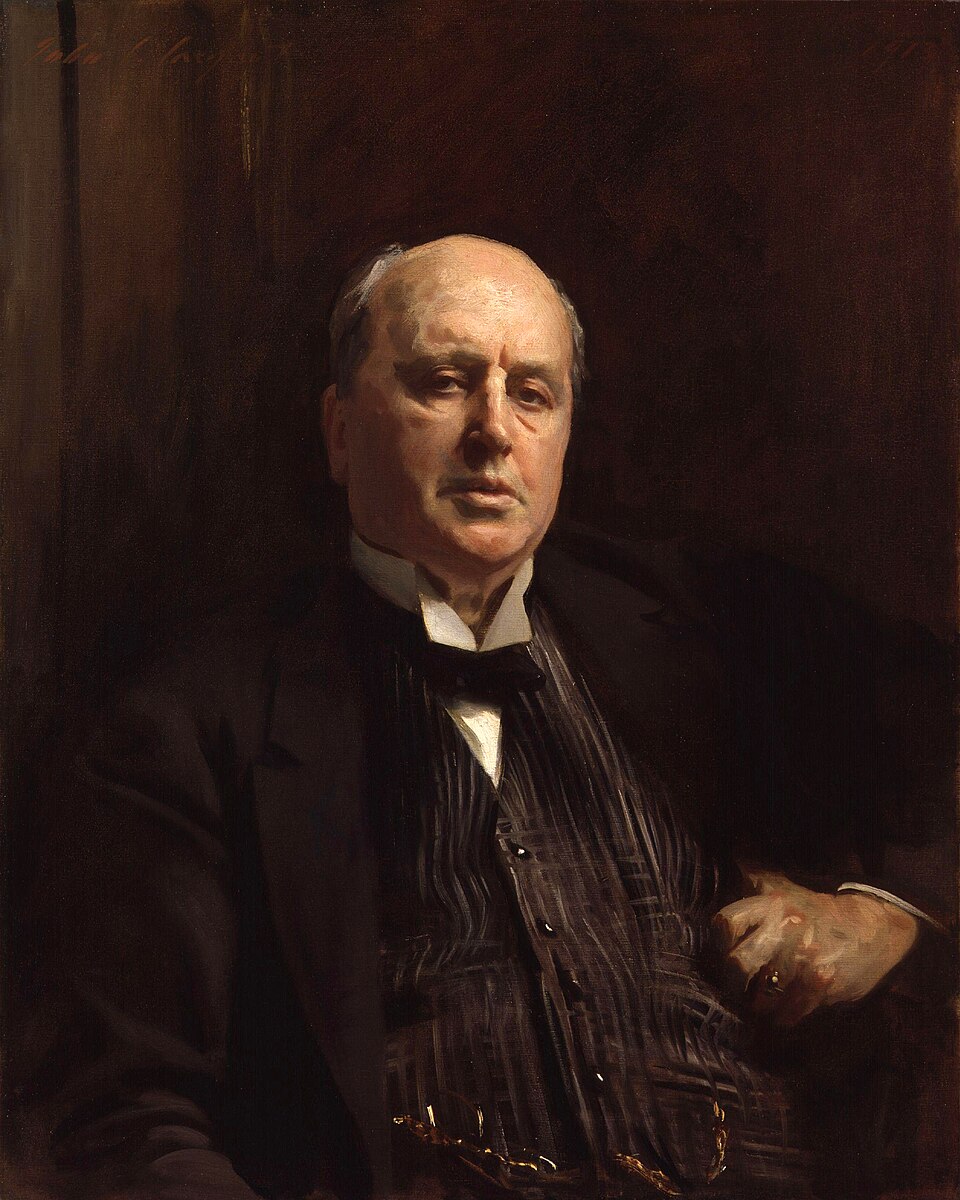
Henry James
1843 – 1916
American and British writer (1843–1916)
- United States · United Kingdom of Great Britain and Ireland
- American
- Realism
- literary-realism
- Literary Theory
About
Henry James was an American-British author. He is regarded as a key transitional figure between literary realism and literary modernism, and is considered by many to be among the greatest novelists in the English language. He was the son of theologian Henry James Sr. and the brother of philosopher and psychologist William James and diarist Alice James.
Source: Wikipedia (CC BY-SA). Portrait by John Singer Sargent (died 1925) (Public domain) via Wikimedia Commons.
Life on the Timeline
Major Works
Exam Dossier
Most-asked topics
- The international theme (American innocence vs. European experience)
- Point of view and the 'central consciousness' technique
- The Art of Fiction (1884) and James's critical theory of the novel
- Ambiguity and the ghost story: The Turn of the Screw
- The major phase: The Wings of the Dove, The Ambassadors, The Golden Bowl
- Isabel Archer and the heroine of consciousness in The Portrait of a Lady
- The New York Edition prefaces and The Art of the Novel
- James as transitional figure between realism and modernism
- Psychological realism and the Jamesian sentence of the late style
- James's Anglo-American identity and 1915 British naturalization
Previous-year themes
- Identifying protagonists and their novels (Isabel Archer, Lambert Strether, Milly Theale, Daisy Miller)
- The Art of Fiction as a reply to Walter Besant and its key dicta
- Chronology of the major-phase novels (1902-1904)
- Narrative frame and ambiguity in The Turn of the Screw
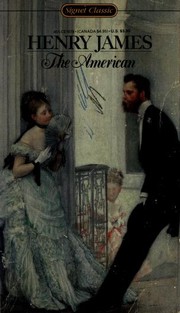
- The international theme in Daisy Miller, The American and The Portrait of a Lady
- F.R. Leavis's placement of James in The Great Tradition
- Critical remarks on James (T.S. Eliot, Joseph Conrad, Edmund Wilson)
- Jamesian narrative terminology: centre of consciousness, ficelle, showing vs. telling
Common confusions
- Henry James the novelist vs. his brother William James the philosopher-psychologist (who coined 'stream of consciousness' in Principles of Psychology) and their father Henry James Sr., the theologian.
- 'The Art of Fiction': Walter Besant's 1884 lecture, Henry James's reply-essay of the same title, and R.L. Stevenson's rejoinder 'A Humble Remonstrance' — three linked texts often jumbled.
- Publication order of the major phase: The Wings of the Dove (1902) appeared BEFORE The Ambassadors (1903), even though The Ambassadors was written first.
- The Portrait of a Lady (James, 1881) vs. A Portrait of the Artist as a Young Man (Joyce, 1916) — similar titles, different authors and eras.
- In The Turn of the Screw the governess is unnamed; students wrongly name her 'Mrs. Grose' (the housekeeper) or confuse the ghosts Peter Quint (valet) and Miss Jessel (former governess).
- The Art of the Novel (Blackmur's 1934 collection of James's prefaces) vs. The Craft of Fiction (Percy Lubbock, 1921) vs. Aspects of the Novel (E.M. Forster, 1927).
Memory tricks
Major phase = WAG: Wings of the Dove (1902), Ambassadors (1903), Golden Bowl (1904) — the tail 'wags' in strict alphabetical-and-chronological order.
Turn of the Screw pairs: Quint the valet haunts the boy Miles; Jessel the ex-governess haunts the girl Flora — male ghost/boy, female ghost/girl.
Heroines by initial: Isabel in the Portrait, Milly with the Wings, Maisie who Knew, Daisy who Died.
'A PoLite AMerican' — early international-theme run: The American (1877), Daisy Miller (1879), The Portrait of a Lady (1881).
1884 = double 'Art of Fiction' year: Besant lectures, James answers — remember 'Besant Before, James After'.
1915: James swaps stars for stripes of another flag — becomes a British subject one year before death (1916), the same year he gets the Order of Merit.