Modernism
Virginia Woolf
1882 – 1941
English modernist writer (1882–1941)
- United Kingdom · United Kingdom of Great Britain and Ireland · United Kingdom
- British
- Modernism
- Bloomsbury Group
- Stream of Consciousness
- bloomsbury-group
- Literary Theory
About
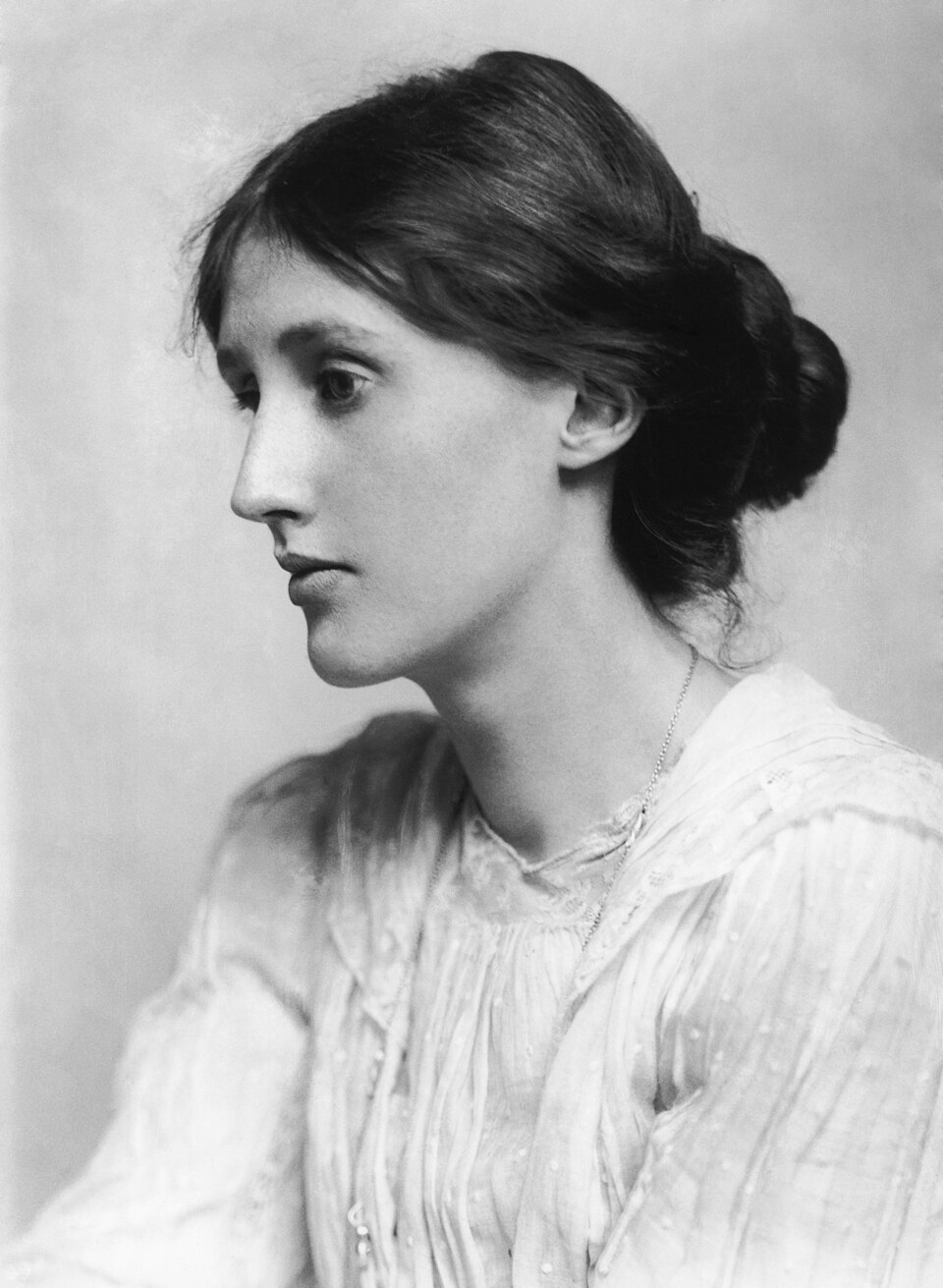
Adeline Virginia Woolf was an English writer and one of the most influential 20th-century modernist authors. She helped to pioneer the use of stream of consciousness narration as a literary device.
Source: Wikipedia (CC BY-SA). Portrait by George Charles Beresford / Adam Cuerden (Public domain) via Wikimedia Commons.
Life on the Timeline
Major Works

Exam Dossier
Most-asked topics
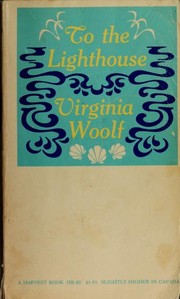
- Stream of consciousness technique in Mrs Dalloway and To the Lighthouse
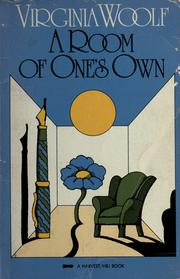
- A Room of One's Own and feminist literary criticism
- The Bloomsbury Group and its members
- Modern Fiction and the critique of Edwardian 'materialists' (Bennett, Wells, Galsworthy)
- Mr Bennett and Mrs Brown: 'On or about December 1910 human character changed'
- Androgyny and the 'androgynous mind' (via Coleridge) in A Room of One's Own
- The Hogarth Press and Woolf's publishing activity
- Narrative experimentation in The Waves and Orlando
- Time, memory and interior monologue in Woolf's novels
- Judith Shakespeare and the fate of the woman writer
Previous-year themes
- Identifying the correct chronological order of Woolf's novels
- Matching characters (Clarissa Dalloway, Septimus Smith, Mrs Ramsay, Lily Briscoe) to their novels
- The argument and famous statements of A Room of One's Own
- Woolf's essay 'Modern Fiction' and the phrase 'luminous halo' / 'semi-transparent envelope'
- The Bloomsbury Group: members and significance
- Stream of consciousness as a modernist narrative device
- Orlando as a mock-biography and its connection to Vita Sackville-West
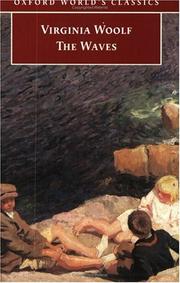
- The six voices/soliloquies structure of The Waves
Common confusions
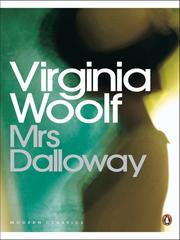
- Mrs Dalloway (1925) vs To the Lighthouse (1927): students swap the order; remember Dalloway comes first.
- 'Modern Fiction' (source of the 'luminous halo') vs 'Mr Bennett and Mrs Brown' (source of 'December 1910') — two different essays often conflated.
- A Room of One's Own (1929) vs Three Guineas (1938): both feminist essays; Room concerns women and fiction, Three Guineas connects patriarchy with war and fascism.
- Orlando (1928, mock-biography inspired by Vita Sackville-West) vs Flush (1933, 'biography' of Elizabeth Barrett Browning's spaniel).
- Woolf's stream of consciousness vs Joyce's: Woolf uses indirect interior monologue filtered through a lyrical narrator, unlike Joyce's more direct interior monologue in Ulysses; the term itself was coined by William James.
- The Waves has six speaking characters — Percival is the silent seventh figure, not one of the soliloquists.
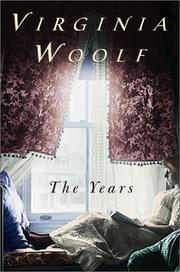
- Between the Acts (1941) is her last novel, published posthumously; The Years (1937) was the last published in her lifetime.
Memory tricks
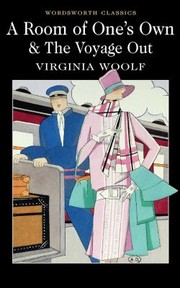
Chronology mnemonic 'V-J-M-L-O-R-W-F-Y-A': Voyage (1915), Jacob (1922), Mrs Dalloway (1925), Lighthouse (1927), Orlando (1928), Room (1929), Waves (1931), Flush (1933), Years (1937), Acts (1941).
Dalloway before Lighthouse: alphabetical D before L matches chronological 1925 before 1927.
'Halo' = 'How Art Leaves the Old' → 'luminous halo' belongs to Modern Fiction, her manifesto against the old (Edwardian) novelists.
December 1910 = 'Bennett and Brown's Birthday' → the 1910 quote is from 'Mr Bennett and Mrs Brown'.
SIX friends in The WAVES: count the letters of 'Bernard' minus one, or remember 'BSRNJL' — Bernard, Susan, Rhoda, Neville, Jinny, Louis; Percival is Present but Perfectly silent.
To the Lighthouse structure: 'Window → Time → Light' (W-T-L: 'We Travel Late') for The Window, Time Passes, The Lighthouse.
Room (1929) rhymes with 'her own boom' — one year after Orlando (1928), one before the Waves decade.