Modernism
James Joyce
1882 – 1941
Irish novelist and poet (1882–1941)
- Ireland · United Kingdom · France
- Irish
- Modernism
- Stream of Consciousness
About
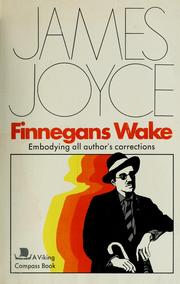
James Augustine Aloysius Joyce was an Irish novelist, poet, and literary critic. He contributed to the modernist movement and is regarded among the most influential and important writers of the 20th century. Joyce's novel Ulysses (1922) is a landmark in which the episodes of Homer's Odyssey are paralleled in a variety of literary styles, particularly stream of consciousness. Other well-known works are the short-story collection Dubliners (1914) and the novels A Portrait of the Artist as a Young Man (1916) and Finnegans Wake (1939). His other writings include two books of poetry, a play, correspondence, and occasional journalism.
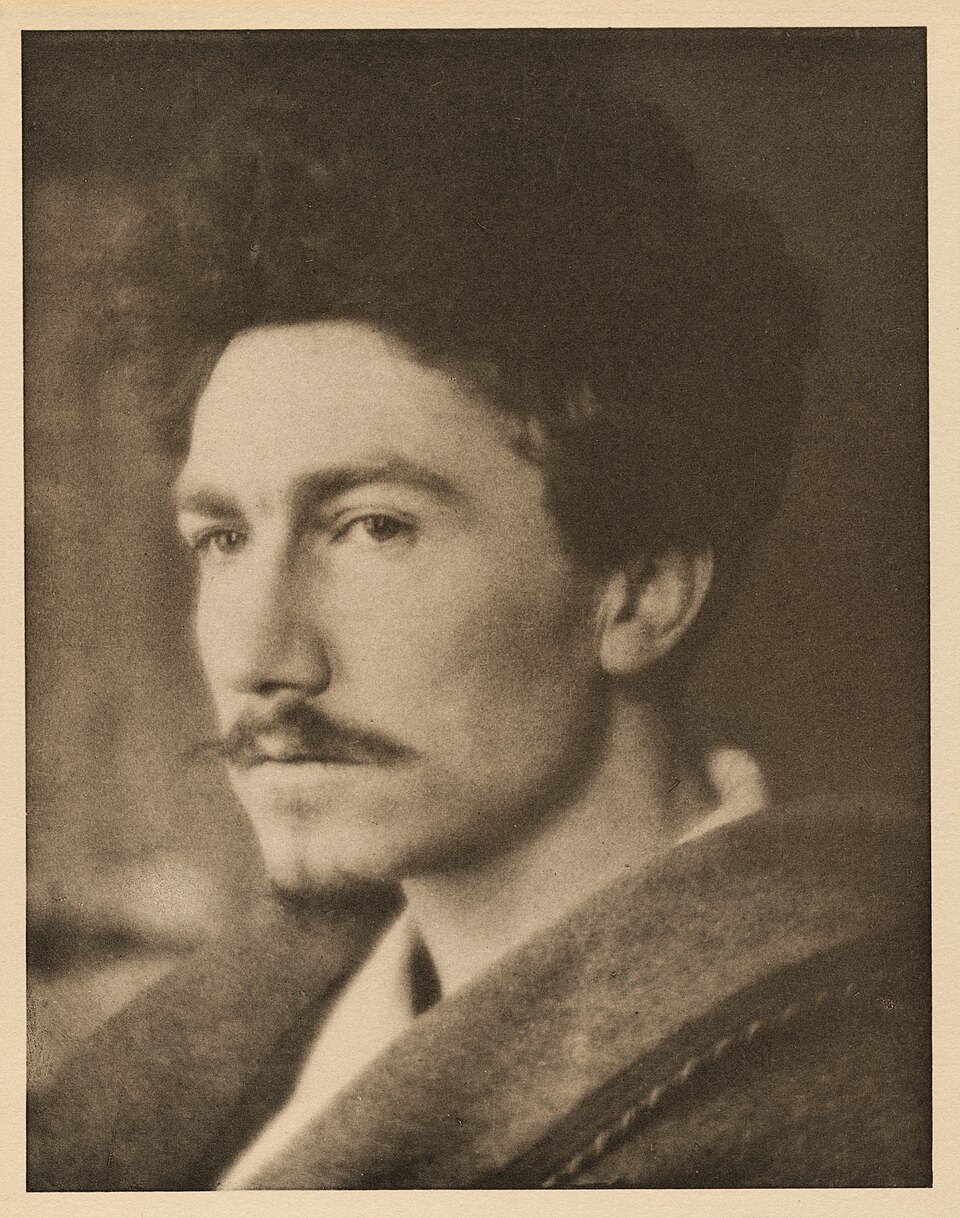
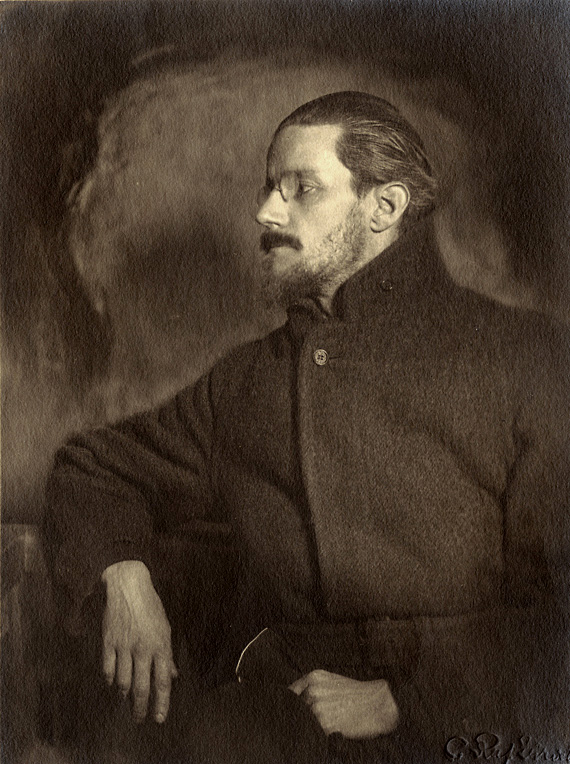
Source: Wikipedia (CC BY-SA). Portrait (Public domain) via Wikimedia Commons.
Life on the Timeline
Major Works
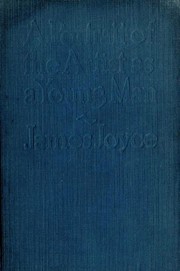
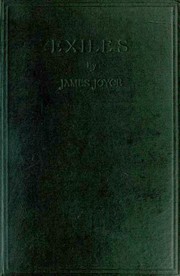
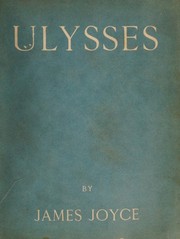
Exam Dossier
Most-asked topics
- Stream of consciousness and interior monologue in Ulysses
- The Homeric parallel and structure of Ulysses (18 episodes)
- Epiphany as a Joycean technique in Dubliners and A Portrait
- Kunstlerroman / Bildungsroman: growth of Stephen Dedalus in A Portrait
- Paralysis as the controlling theme of Dubliners
- Dream language, puns and cyclical structure of Finnegans Wake
- Publication history and obscenity controversies of Ulysses
- Joyce and modernism: relation to Eliot, Pound, Woolf and Yeats
- Bloomsday (16 June 1904) and Dublin as setting
- T. S. Eliot's 'mythical method' and critical reception of Joyce
Previous-year themes
- Identifying the correct chronological order of Joyce's major works
- Matching episodes of Ulysses with their Homeric titles and narrative techniques
- The opening and closing lines of Ulysses, A Portrait and Finnegans Wake
- Stephen Dedalus's aesthetic theory and the doctrine of 'silence, exile, and cunning'
- The concept of epiphany, with reference to 'The Dead' and other Dubliners stories
- Molly Bloom's soliloquy (Penelope episode) as stream of consciousness
- Eliot's essay 'Ulysses, Order, and Myth' and the mythical method
- Characters and their works: Leopold Bloom, Gabriel Conroy, HCE/ALP
Common confusions
- A Portrait of the Artist as a Young Man (1918, finished novel) vs Stephen Hero (abandoned early draft, published posthumously in 1944) — both feature Stephen but are distinct texts.
- Ulysses was serialized in The Little Review (America), while A Portrait was serialized in The Egoist (England) — students frequently swap the two journals.
- Bloomsday is 16 June 1904 (the day of the novel's action), not 2 February 1922 (the day of its publication, Joyce's birthday).
- Joyce's stream of consciousness vs Virginia Woolf's: both are modernist interior techniques, but Molly's 'Penelope' monologue is the extreme unpunctuated form; the term itself was coined by psychologist William James.
- Finnegans Wake has NO apostrophe in its title — 'Finnegan's Wake' is the ballad, 'Finnegans Wake' is Joyce's novel.
- Dubliners deals with 'paralysis' and epiphany in realistic short stories; do not confuse its mode with the experimental styles of Ulysses — both are set in Dublin.
Memory tricks
D-P-U-F: 'Dublin People Understand Fiction' — Dubliners (1914), Portrait (1918), Ulysses (1922), Finnegans Wake (1939): Joyce's four prose landmarks in order.
Ulysses = 1922, the annus mirabilis of modernism: remember 'Ulysses and The Waste Land walked out together in 1922.'
Bloomsday 16-6-1904: 'Sweet sixteen in June' — 16 June 1904, the day Joyce also associated with Nora Barnacle.
15 in the collection: 'Fifteen Dubliners walk to The Dead' — 15 stories, the last being 'The Dead'.
S-E-C: Stephen's weapons are Silence, Exile, Cunning (think 'SECurity of the artist').
Vico's cycle = 'riverrun': the Wake's first word joins its unfinished last sentence, like a river circling back — 'commodius vicus of recirculation'.