Victorian
W. B. Yeats
1865 – 1939
Irish poet and playwright (1865–1939)
- Irish Free State
- Irish
- Irish Literary Revival
- Modernism
- Symbolism
- ◆ Nobel 1923
About
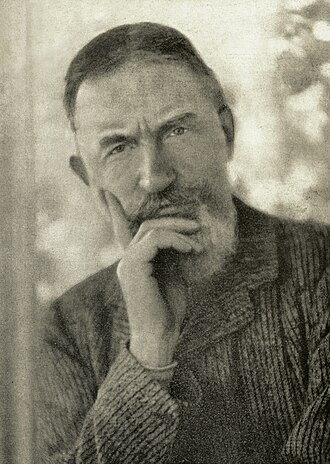
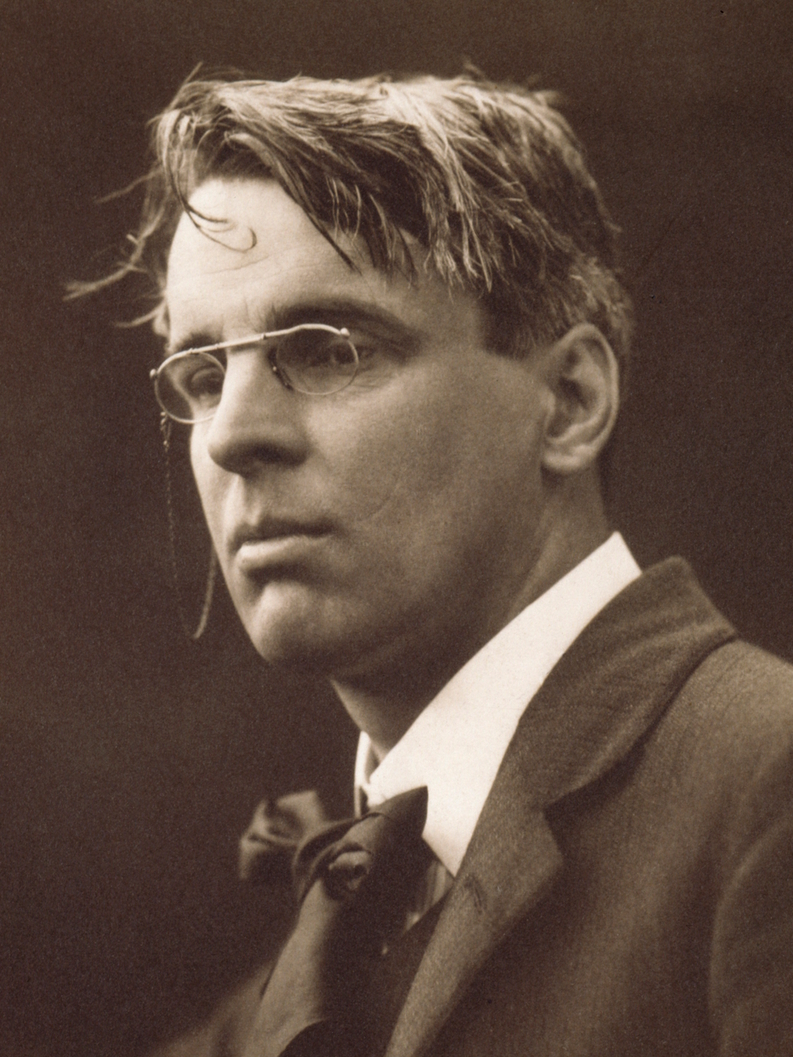
William Butler Yeats was an Irish poet, dramatist, writer and literary critic who was one of the foremost figures of 20th-century literature. He was a driving force behind the Irish Literary Revival and, along with John Millington Synge and Lady Gregory, founded the Abbey Theatre, serving as its chief during its early years. He was awarded the 1923 Nobel Prize in Literature and later served two terms as a Senator of the Irish Free State.
Source: Wikipedia (CC BY-SA). Portrait by George Charles Beresford (Public domain) via Wikimedia Commons.
Life on the Timeline
Major Works
Exam Dossier
Most-asked topics
- Irish Literary Revival and Yeats's role in founding the Abbey Theatre
- Symbolism and the gyres / A Vision
- Major poem analysis: "The Second Coming", "Sailing to Byzantium", "Easter, 1916", "The Lake Isle of Innisfree"
- Yeats's occultism, mysticism and theory of masks
- Yeats and Irish nationalism/politics (Easter Rising, Maud Gonne)
- Yeats's dramatic works and the Abbey Theatre
- Development from early Celtic Twilight romanticism to modernist style
- Nobel Prize in Literature 1923 and later career
Previous-year themes
- Yeats as a bridge between Romanticism/Victorianism and Modernism
- Symbolism, the gyre, and the theory of masks in Yeats's poetry
- Yeats and the Irish Literary Revival / Abbey Theatre
- Identification of famous lines from "The Second Coming" and "Sailing to Byzantium"
- Yeats's treatment of Irish nationalism and the Easter Rising
- Chronology and dating of major Yeats poetry collections
- Yeats's use of Byzantium as a symbol of art and eternity
Common confusions
- Confusing Yeats's early Celtic Twilight romanticism (e.g. The Lake Isle of Innisfree) with his later, harder modernist style (e.g. The Second Coming, Sailing to Byzantium).
- Mixing up "Sailing to Byzantium" (1928, from The Tower) with "Byzantium" (1930, a separate, later companion poem).
- Attributing the founding of the Abbey Theatre solely to Yeats, forgetting the essential roles of Lady Gregory and J. M. Synge.
- Confusing the historical Easter Rising of 1916 with the poem's publication date (the poem was written in 1916 but published in 1921).
- Mistaking Yeats's occult system in A Vision (gyres, phases of the moon) for straightforward autobiography rather than a symbolic/philosophical framework.
- Confusing Yeats with T. S. Eliot as the originator of modernist "gyre" imagery of historical decline, when the gyre concept is distinctively Yeatsian.
Memory tricks
"Gyre" = Yeats's spiral of history — think of a widening spiral staircase collapsing, as in The Tower.
Nobel in '23: Yeats won the Nobel Prize the year after Ireland became the Irish Free State (1922) — link the new state to the new laureate.
Abbey Theatre trio: Yeats, Gregory, Synge — "Y-G-S" founded Irish national drama.
Byzantium = the city of gold and mosaic, sung by artifice, not nature — remember "no country for old men" is about escaping ageing flesh for eternal art.
Easter, 1916: "terrible beauty" pairs opposites — remember the Rising turned ordinary rebels into tragic myth.
Early Yeats = misty Celtic dreamscapes; Late Yeats = hard-edged modern symbols — think "Twilight to Tower."