Postmodern
Seamus Heaney
1939 – 2013
Irish poet, playwright, translator, lecturer (1939–2013)
- Ireland
- Irish
- ◆ Nobel 1995
About
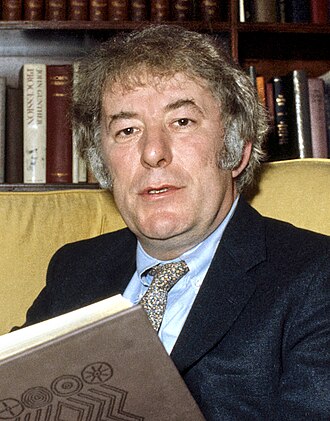
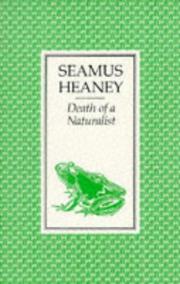
Seamus Justin Heaney was an Irish poet, playwright and translator. He received the 1995 Nobel Prize in Literature. Among his best-known works is Death of a Naturalist (1966), his first major published volume. American poet Robert Lowell described him as "the most important Irish poet since Yeats", and many others, including the academic John Sutherland, have said that he was "the greatest poet of our age". Robert Pinsky has stated that "with his wonderful gift of eye and ear Heaney has the gift of the story-teller." Upon his death in 2013, The Independent described him as "probably the best-known poet in the world".
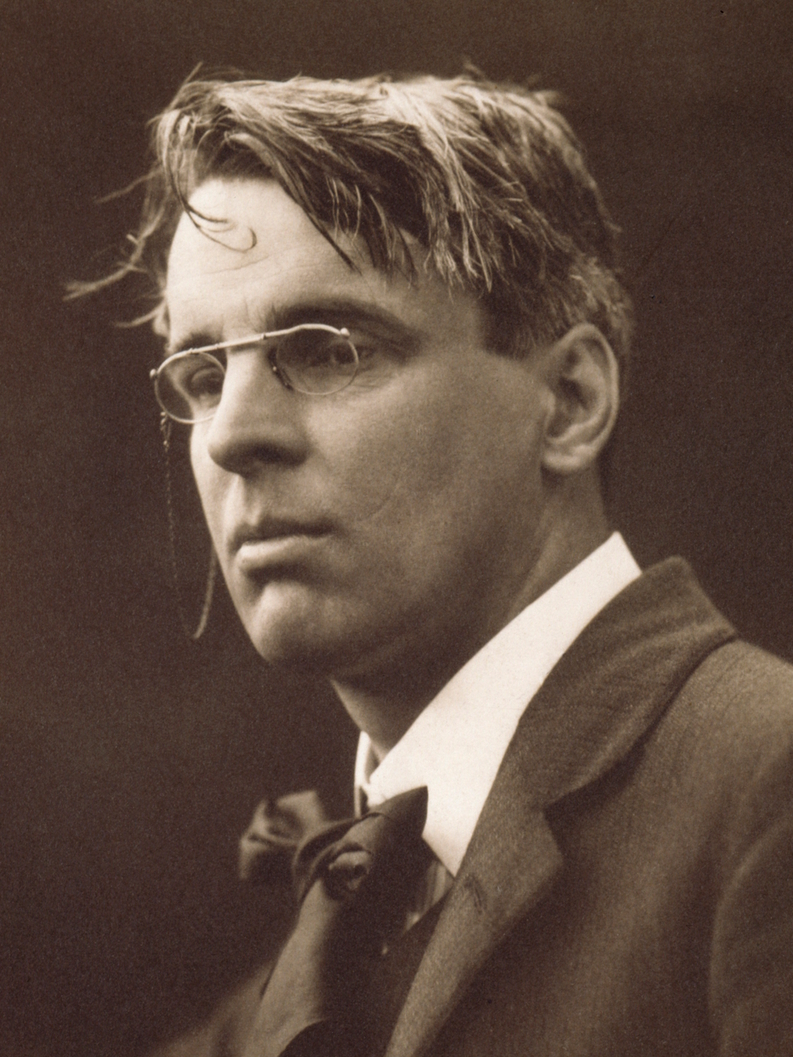
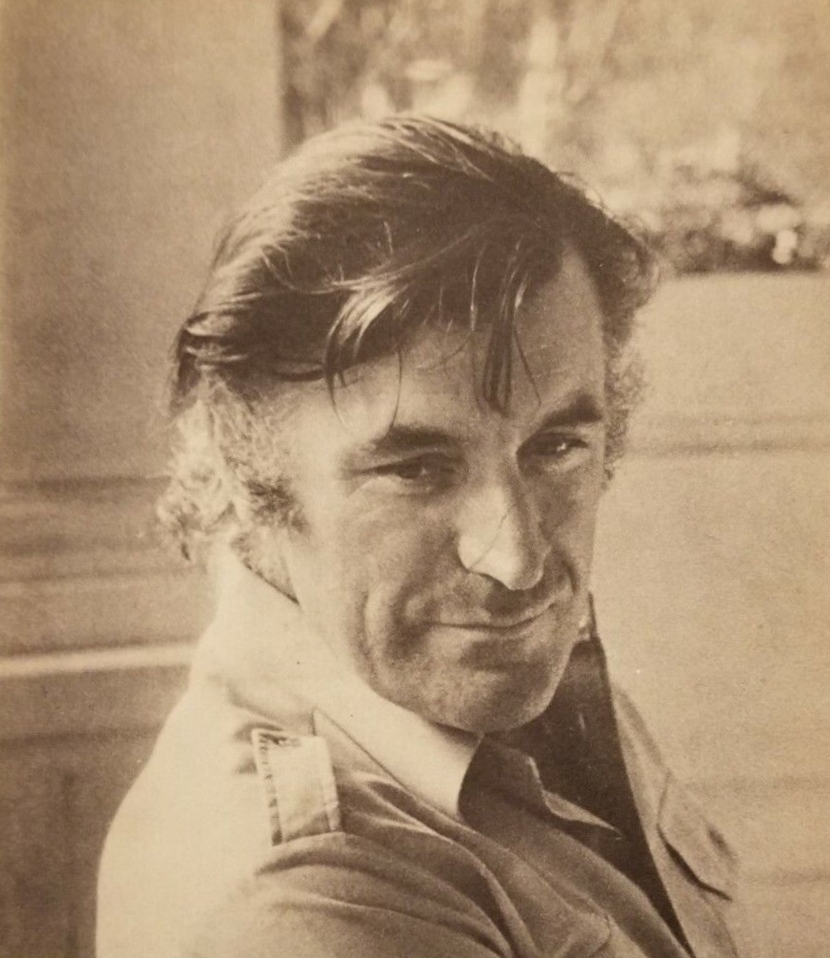
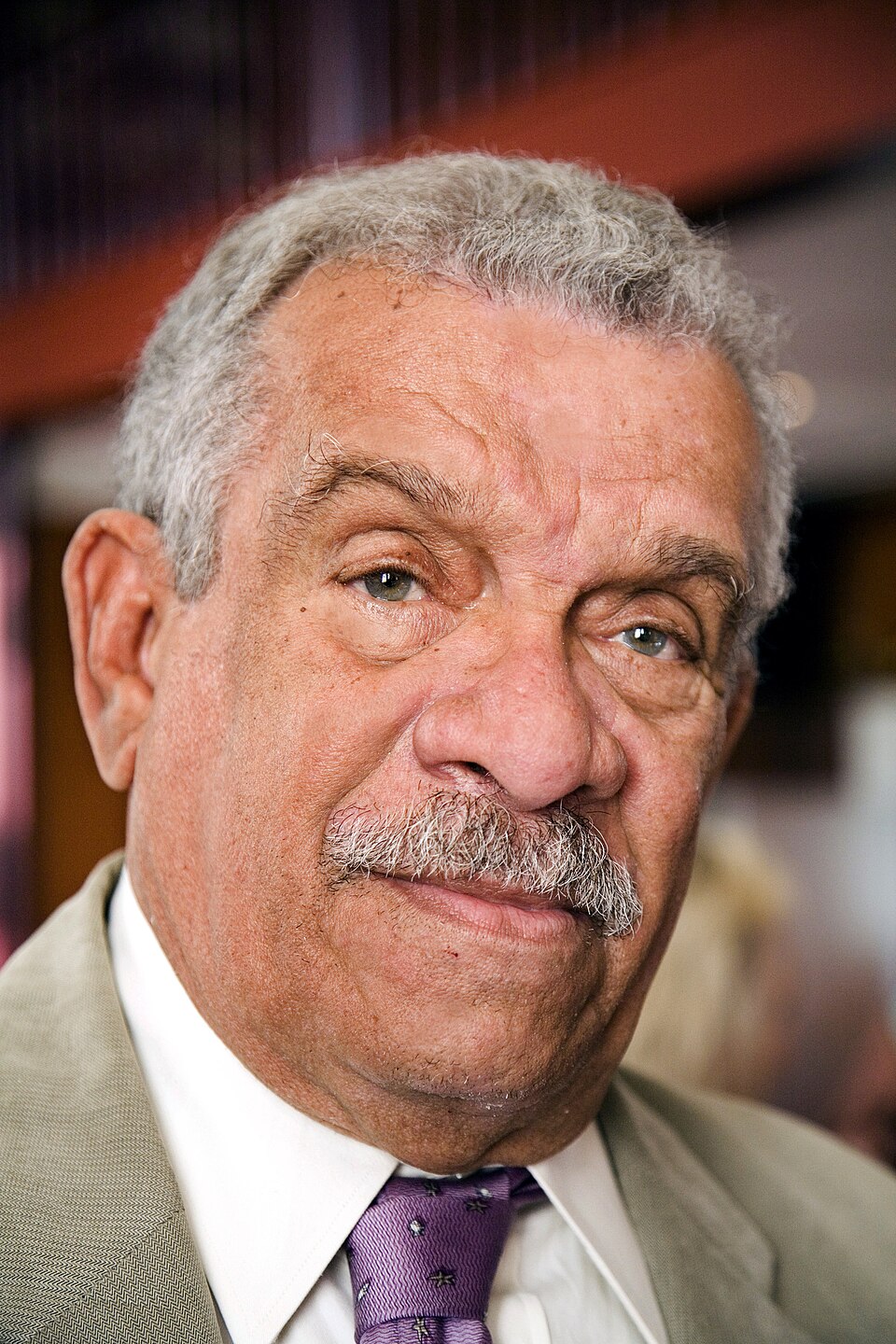
Source: Wikipedia (CC BY-SA). Portrait by Sean O'Connor, cropped by Sabahrat (Public domain) via Wikimedia Commons.
Life on the Timeline
Major Works
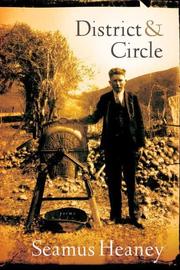
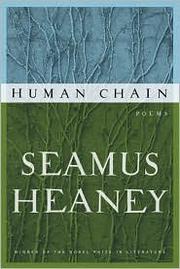
Exam Dossier
Most-asked topics
- Death of a Naturalist (1966) and the poem 'Digging' as poetic manifesto
- The bog poems of Wintering Out and North and the Troubles
- Nobel Prize in Literature 1995 and the lecture 'Crediting Poetry'
- Heaney's Beowulf translation (1999) and its famous opening 'So.'
- Versions of Greek drama: The Cure at Troy and The Burial at Thebes
- Irish identity and An Open Letter ('My passport's green')
- Elegy in Heaney: 'Mid-Term Break', 'Casualty', 'Clearances'
- Station Island and the Dantean pilgrimage structure
- Heaney's prose criticism: Preoccupations, The Government of the Tongue, The Redress of Poetry
- The Belfast Group and Field Day Theatre Company
Previous-year themes
- Identifying the collection to which a given Heaney poem belongs (Digging, Punishment, The Tollund Man)
- The bog bodies as myth and metaphor for sectarian violence in North
- Heaney's translation of Beowulf and translation as postcolonial act
- Chronological sequencing of Heaney's poetry collections
- Heaney among Irish poets: relation to Yeats and the epithet 'most important Irish poet since Yeats'
- The poet's vocation and the pen/spade analogy in 'Digging'
- Heaney's adaptations of Sophocles and the phrase 'hope and history rhyme'
- Poetry and politics: 'Whatever You Say Say Nothing' and the ethics of witness
Common confusions
- The Cure at Troy (1990) adapts Sophocles' Philoctetes, NOT Antigone — the Antigone version is The Burial at Thebes (2004).
- 'The Tollund Man' is in Wintering Out (1972); 'Punishment', 'The Grauballe Man' and 'Bog Queen' are in North (1975) — students lump all bog poems into North.
- Heaney's Nobel is 1995; Yeats's is 1923 — the two Irish Nobel poets are often swapped in date questions.
- Death of a Naturalist (1966) is the first major collection, not Door into the Dark (1969), which is the second.
- Field Work (1979) the collection vs Field Day, the theatre company Heaney was a director of alongside Brian Friel — similar names, different things.
- The Rattle Bag and The School Bag are anthologies Heaney CO-EDITED with Ted Hughes, not collections of his own poems.
Memory tricks
Chronology sentence: 'Dead Doors Winter North; Field Station Haw; Seeing Spirit, Electric District, Human' = Death of a Naturalist, Door into the Dark, Wintering Out, North, Field Work, Station Island, Haw Lantern, Seeing Things, Spirit Level, Electric Light, District and Circle, Human Chain.
Nobel: 'Heaney arrives in ninety-five' (1995) — exactly one year after his Oxford Professorship of Poetry ended (1989-94).
Bog rhymes with Glob: the bog poems come from P. V. GLOB's The BOG People.
TROY has an O like PhilOctetes; THEBES has an A-sound like Antigone (Burial at Thebes = Antigone).
First and last collections bracket life and death: Death of a Naturalist (debut, 1966) to Human Chain (final, 2010) — from 'Death' to 'Human'.
'Digging' = 3 generations, 1 tool each: grandfather's spade, father's spade, poet's pen — 'I'll dig with it.'