Modernism
Robert Frost
1874 – 1963
American poet (1874–1963)
- United States
- American
About
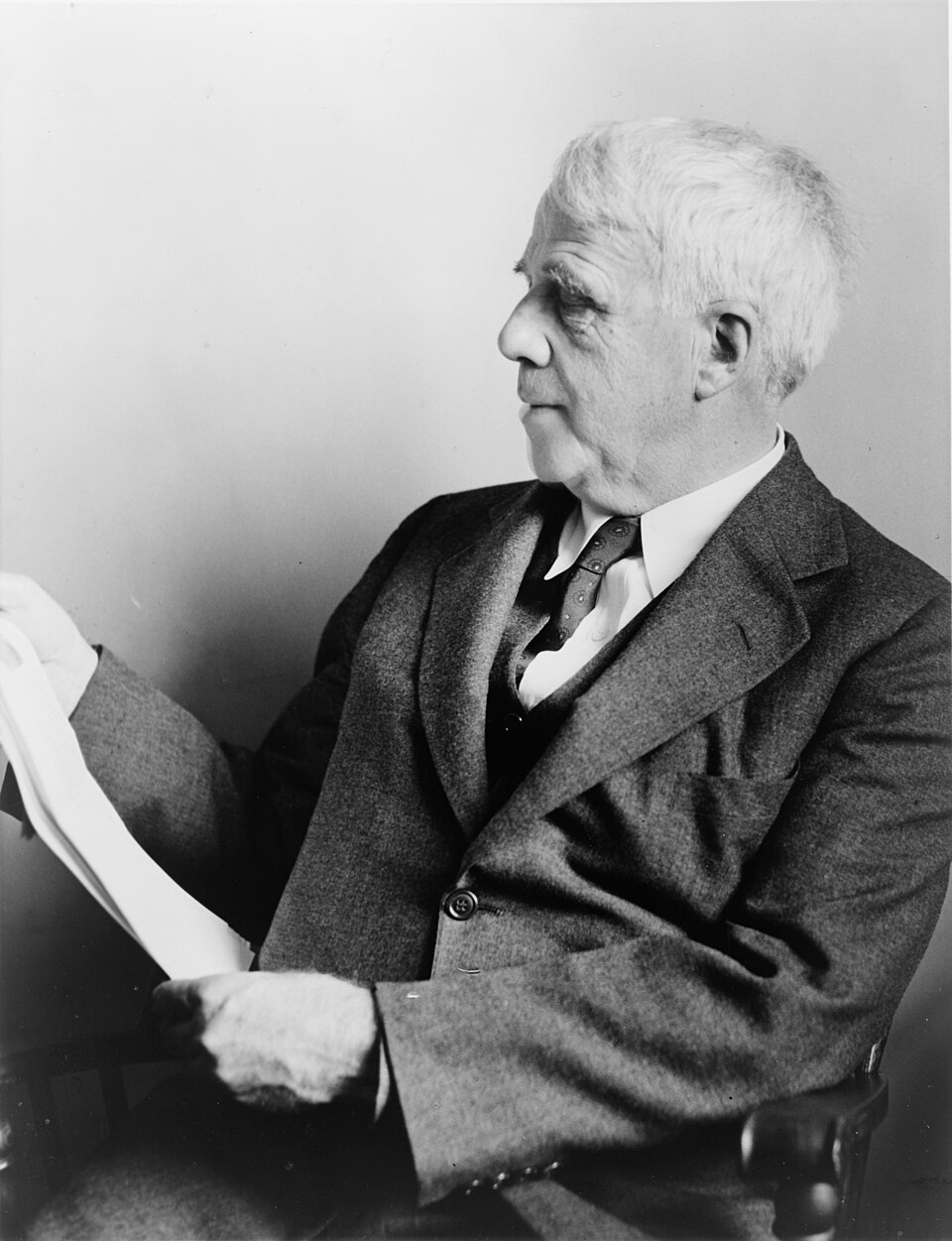
Robert Lee Frost was an American poet. Known for his realistic depictions of rural life and his command of American colloquial speech, Frost frequently wrote about settings from rural life in New England in the early 20th century, using them to examine complex social and philosophical themes.
Source: Wikipedia (CC BY-SA). Portrait by Fred Palumbo, World Telegram staff photographer (Public domain) via Wikimedia Commons.
Life on the Timeline
Major Works


Exam Dossier
Most-asked topics
- Frost's use of New England rural settings and American colloquial speech
- Nature as an ambiguous or testing force rather than benevolent backdrop
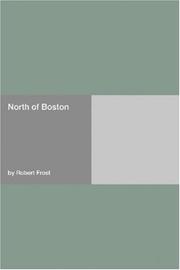
- Blank verse, dramatic monologue and narrative technique in North of Boston
- Irony and ambiguity in 'The Road Not Taken' and 'Mending Wall'
- Frost's relation to Modernism despite his traditional verse forms
- Frost's poetic theory: 'sound of sense' and poetry as 'a momentary stay against confusion'
- Pulitzer Prize-winning volumes and their chronology
- Symbolism of walls, woods, roads, ice and snow
- Comparison of Frost's nature poetry with Wordsworthian Romanticism
- Frost's public image versus critical reassessment (Trilling, Jarrell)
Previous-year themes
- Symbolism and ambiguity in 'The Road Not Taken'
- Theme of boundaries, isolation and communication in 'Mending Wall'
- Frost's regionalism and depiction of rural New England life
- Frost as a poet working in traditional forms within a Modernist era
- Dark and ironic undertones beneath Frost's pastoral surfaces
- Frost's poetic theory of 'sound of sense' and colloquial diction
- Critical reassessment of Frost's reputation (from 'genial' poet to 'terrifying' poet)
Common confusions
- Assuming 'Mending Wall' endorses 'good fences make good neighbours' — actually the speaker questions the wall while his neighbour repeats the saying unreflectively.
- Reading 'The Road Not Taken' as a simple celebration of nonconformist choice, overlooking the poem's own admission that the two roads were 'really about the same.'
- Confusing the publication years of North of Boston (1914) and Mountain Interval (1916).
- Mistaking Frost's 'sound of sense' theory for free-verse or Imagist practice — Frost kept regular metre throughout.
- Treating Frost as a purely Romantic nature poet like Wordsworth, missing the irony and bleakness beneath his pastoral surfaces.
- Mixing up 'Stopping by Woods on a Snowy Evening' (New Hampshire) with 'Birches' (Mountain Interval).
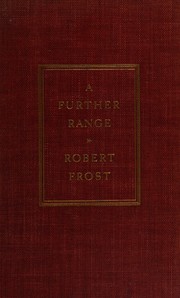
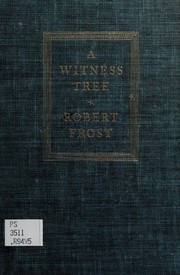
- Assuming every later volume after New Hampshire won a Pulitzer — West-Running Brook (1928) did not; only Collected Poems (1930), A Further Range (1936) and A Witness Tree (1942) added to Frost's Pulitzer tally.
Memory tricks
'North of Boston, Wall and Hired Man' — recalls that North of Boston (1914) contains 'Mending Wall' and 'The Death of the Hired Man.'
'Mountain Interval, Road and Birch' — recalls that Mountain Interval (1916) contains 'The Road Not Taken' and 'Birches.'
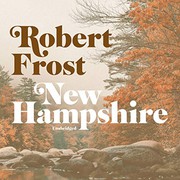
'New Hampshire, Snowy Woods stop here' — recalls that New Hampshire (1923) contains 'Stopping by Woods on a Snowy Evening.'
Four Pulitzers spell N-C-F-W: New Hampshire, Collected Poems, (A) Further Range, (A) Witness Tree.
'Frost recited at the frosty January inauguration' — recalls Frost reading at JFK's inauguration, January 1961.
'Sound of Sense, not Free-Verse Pretense' — recalls Frost's commitment to metre over free verse.