Victorian
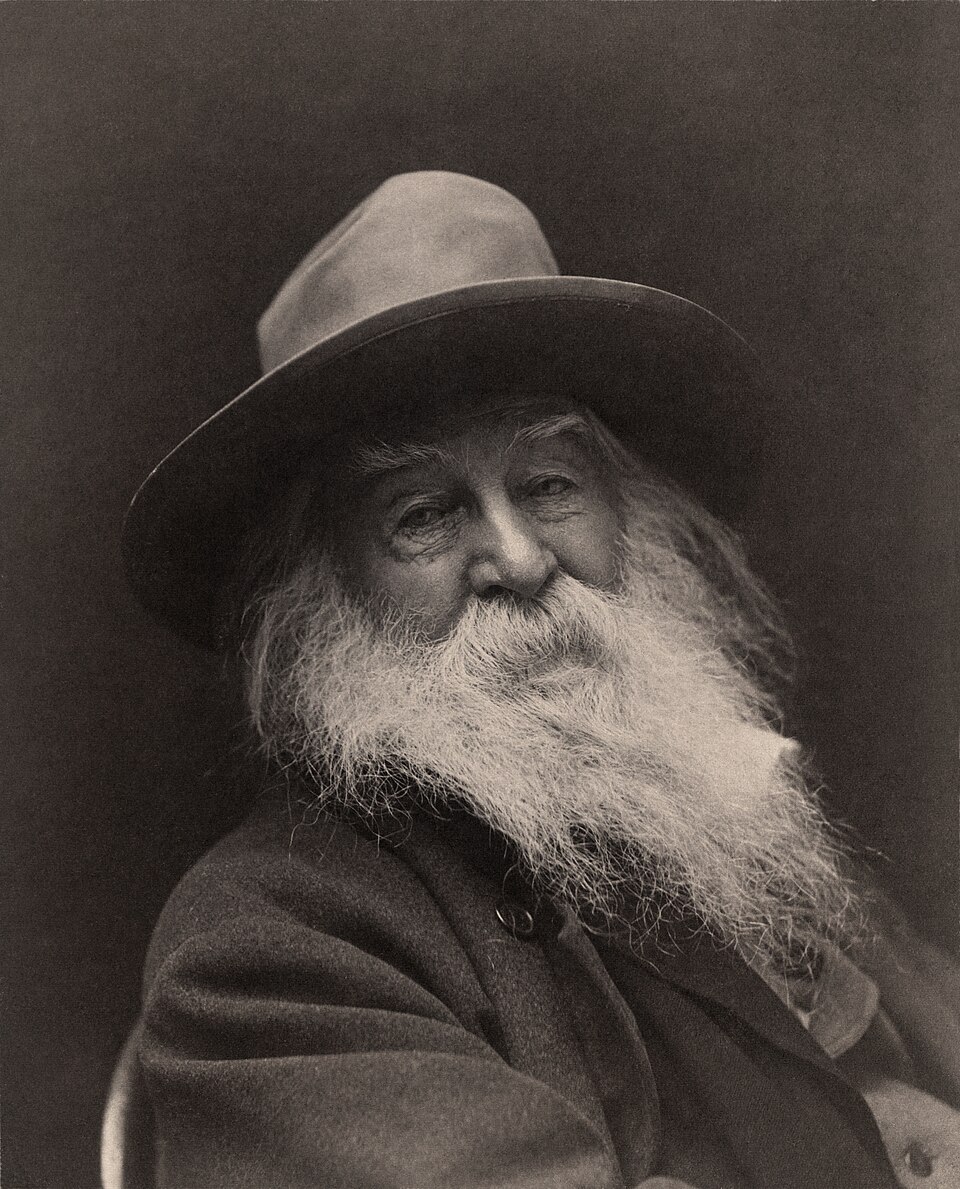
Walt Whitman
1819 – 1892
American poet, essayist and journalist (1819–1892)
- United States
- American
- Transcendentalism
About
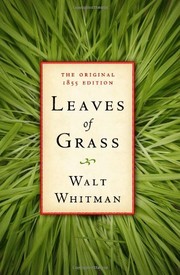
Walter Whitman Jr. was an American poet, essayist, and journalist; he also wrote two novels. He is considered one of the most influential poets in American literature and world literature. Whitman incorporated both transcendentalism and realism in his writings and is often called the father of free verse. His work was controversial in his time, particularly his 1855 poetry collection Leaves of Grass, which was described by some as obscene for its overt sensuality.
Source: Wikipedia (CC BY-SA). Portrait by George Collins Cox / Adam Cuerden (Public domain) via Wikimedia Commons.
Life on the Timeline
Major Works
Exam Dossier
Most-asked topics
- Leaves of Grass — editions and evolution (1855 to 1891-92 Deathbed Edition)
- Whitman as the father of American free verse
- Song of Myself — self, democracy, cosmic identity
- Whitman and Transcendentalism (Emerson's influence and endorsement)
- Civil War poetry: Drum-Taps and elegies for Lincoln
- O Captain! My Captain! as an atypical, formally regular elegy
- Calamus poems and the theme of male comradeship
- Whitman's prose: Democratic Vistas and Specimen Days
- Whitman's poetic techniques: catalog/cataloguing, anaphora, long line
Previous-year themes
- Whitman's contribution to free verse and departure from traditional metre
- Leaves of Grass as an evolving, lifelong single work with multiple editions
- Transcendentalism and realism in Whitman's poetry
- The Lincoln elegies: O Captain! My Captain! and When Lilacs Last in the Dooryard Bloom'd
- Whitman's concept of the self and democratic vision of America
- Whitman's influence on later American and world poetry
- Controversy and censorship surrounding Leaves of Grass
Common confusions
- Confusing Leaves of Grass (a single, continually revised lifelong collection) with a series of separate, unrelated books.
- Mixing up the two major Lincoln elegies: O Captain! My Captain! (regular rhyme/metre) versus When Lilacs Last in the Dooryard Bloom'd (free verse).
- Assuming Whitman wrote only in free verse — O Captain! My Captain! is a notable exception in conventional metre and rhyme.
- Confusing Whitman's transcendentalism (linked to Emerson) with the later, distinct realist/naturalist movement, when his work actually blends both.
- Mixing up Whitman's prose works (Democratic Vistas, Specimen Days) with his poetry collections.
- Attributing Emerson's private letter of praise to a formal published review rather than personal correspondence Whitman later publicized.
Memory tricks
"Leaves" keep growing — Leaves of Grass kept expanding across editions from 1855 to the 1891-92 Deathbed Edition.
"O Captain" is Orderly — unlike Whitman's usual free verse, O Captain! My Captain! follows an orderly, regular rhyme and metre.
Whitman = Wide lines — think of his long, sweeping, unrhymed lines as the hallmark of free verse.
Emerson's greeting = Emerson's Endorsement — remember Emerson 'greeted' Whitman at 'the beginning of a great career.'
Drum-Taps = Drums of war — associate the title directly with his Civil War poems.
Democratic Vistas = Democracy in Prose — the 'D' words pair the theme (democracy) with the form (prose essay).