Victorian
Herman Melville
1819 – 1891
American writer and poet (1819–1891)
- United States
- American
- Dark Romanticism
- Romanticism
About
Herman Melville was an American writer of the American Renaissance period. Among his best-known works are Moby-Dick (1851); Typee (1846), a romanticized account of his experiences in Polynesia; and Billy Budd, Sailor, a posthumously published novella. At the time of his death, Melville was not well known to the public, but 1919, the centennial of his birth, was the starting point of a Melville revival. Moby-Dick would eventually be considered one of the Great American Novels.
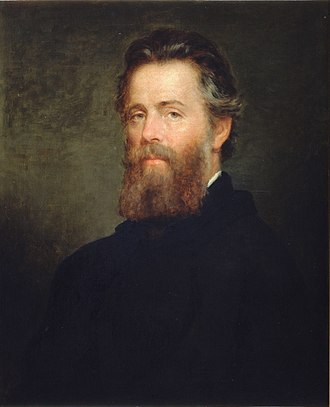
Source: Wikipedia (CC BY-SA). Portrait by Joseph Oriel Eaton (Public domain) via Wikimedia Commons.
Life on the Timeline
Major Works
Exam Dossier
Most-asked topics
- Moby-Dick as a Great American Novel
- Dark Romanticism and the American Renaissance
- Symbolism of the white whale
- Melville's sea/nautical fiction (Typee, Omoo, Redburn, White-Jacket)
- Billy Budd, Sailor and its posthumous publication
- Bartleby, the Scrivener and modern alienation
- Melville-Hawthorne literary relationship
- The Melville Revival of 1919
Previous-year themes
- Moby-Dick: narrative technique, symbolism, and Ahab's monomania
- Melville's place within the American Renaissance and Dark Romanticism
- Short fiction: Bartleby, the Scrivener as a study in passive resistance
- Billy Budd, Sailor: themes of innocence, justice, and law vs. natural morality
- Melville's early Polynesian narratives (Typee, Omoo) and travel/adventure fiction
- Melville's critical neglect during his lifetime and posthumous revival
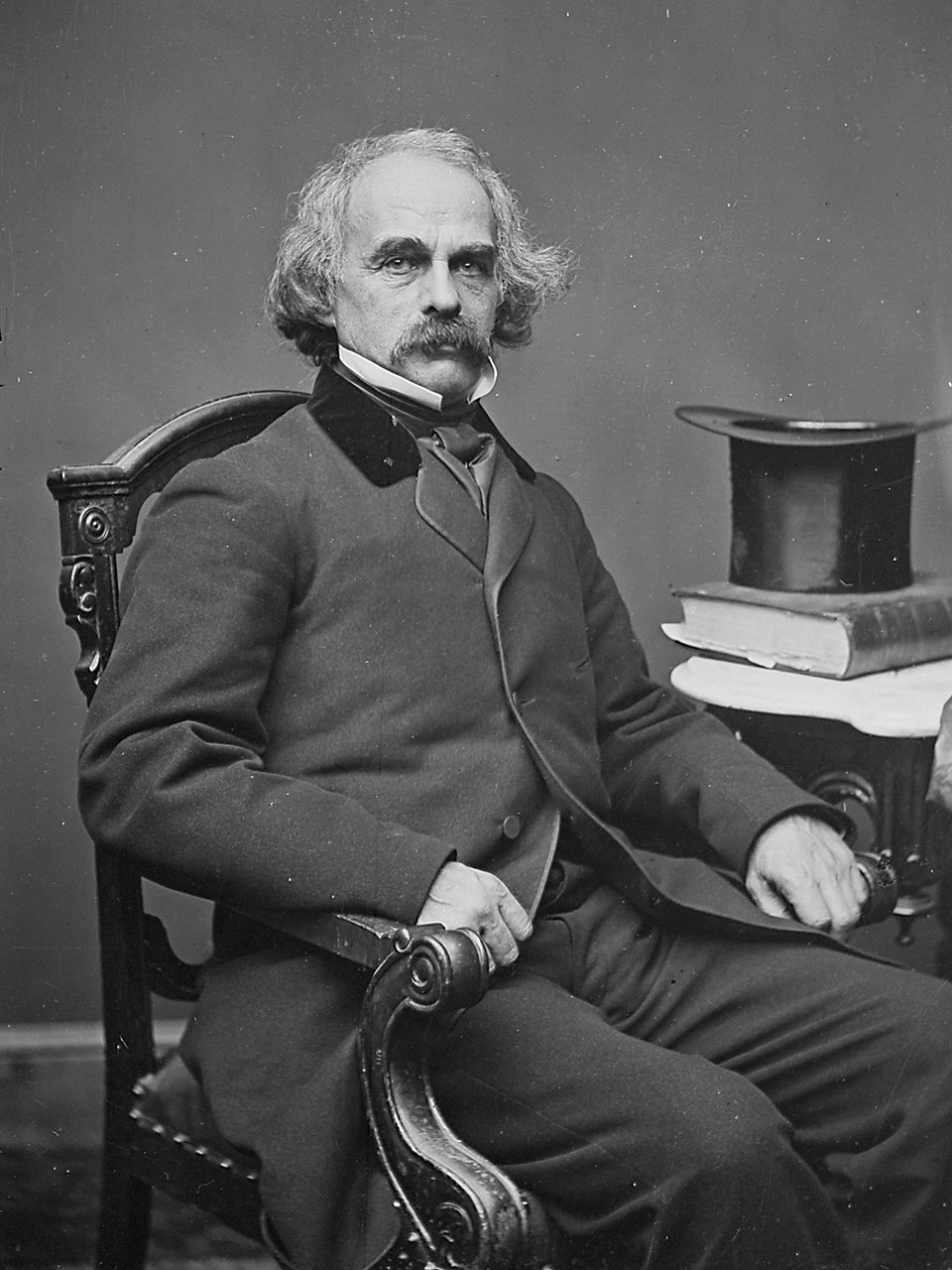
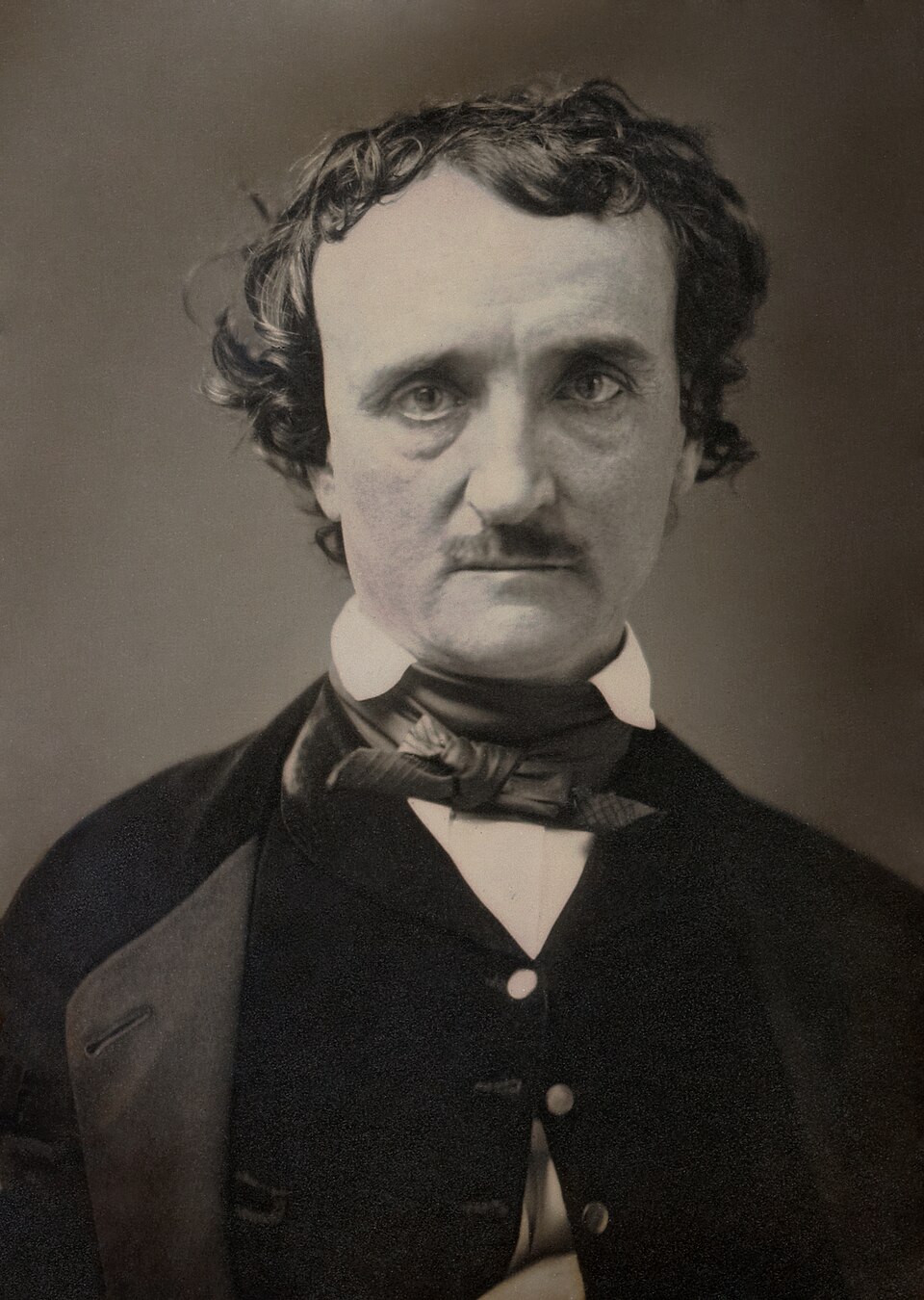
- Comparative questions linking Melville with Hawthorne and Poe
Common confusions
- Confusing Typee (Melville's first novel, 1846, about the Marquesas) with Omoo (its 1847 sequel about Tahiti).
- Attributing 'Call me Ishmael' to a different narrator/character rather than recognizing Ishmael as the narrator, not the protagonist (Ahab is the protagonist).
- Mixing up Melville's Dark Romanticism with Transcendentalism (associated instead with Emerson and Thoreau).
- Believing Moby-Dick was popular and celebrated in Melville's own lifetime, when in fact it was a commercial and critical failure until the 20th-century revival.
- Confusing Billy Budd, Sailor (a novella, published posthumously) with Melville's earlier completed novels published in his lifetime.
- Mixing up Melville with Nathaniel Hawthorne, to whom Moby-Dick is dedicated and with whom Melville is often compared as a fellow Dark Romantic.
Memory tricks
'Typee' comes first — Melville's Ta(y)-first Polynesian tale, followed by its sequel 'Omoo'.
Remember 1851 = Moby-Dick, and 1919 = its 'rebirth' (68 years later, the Melville Revival began on his birth centennial).
'I would PREFER not to' — Bartleby PREFERS passivity, not outright refusal, which is the crux of his ambiguous resistance.
Dark Romantics = Melville, Hawthorne, Poe — think 'M-H-P' explored the dark side of the human heart, unlike the sunnier Transcendentalists.
Billy Budd = 'Bookend' work — Melville's LAST (unfinished) work, published posthumously, bookending his career that began with Typee.