Victorian
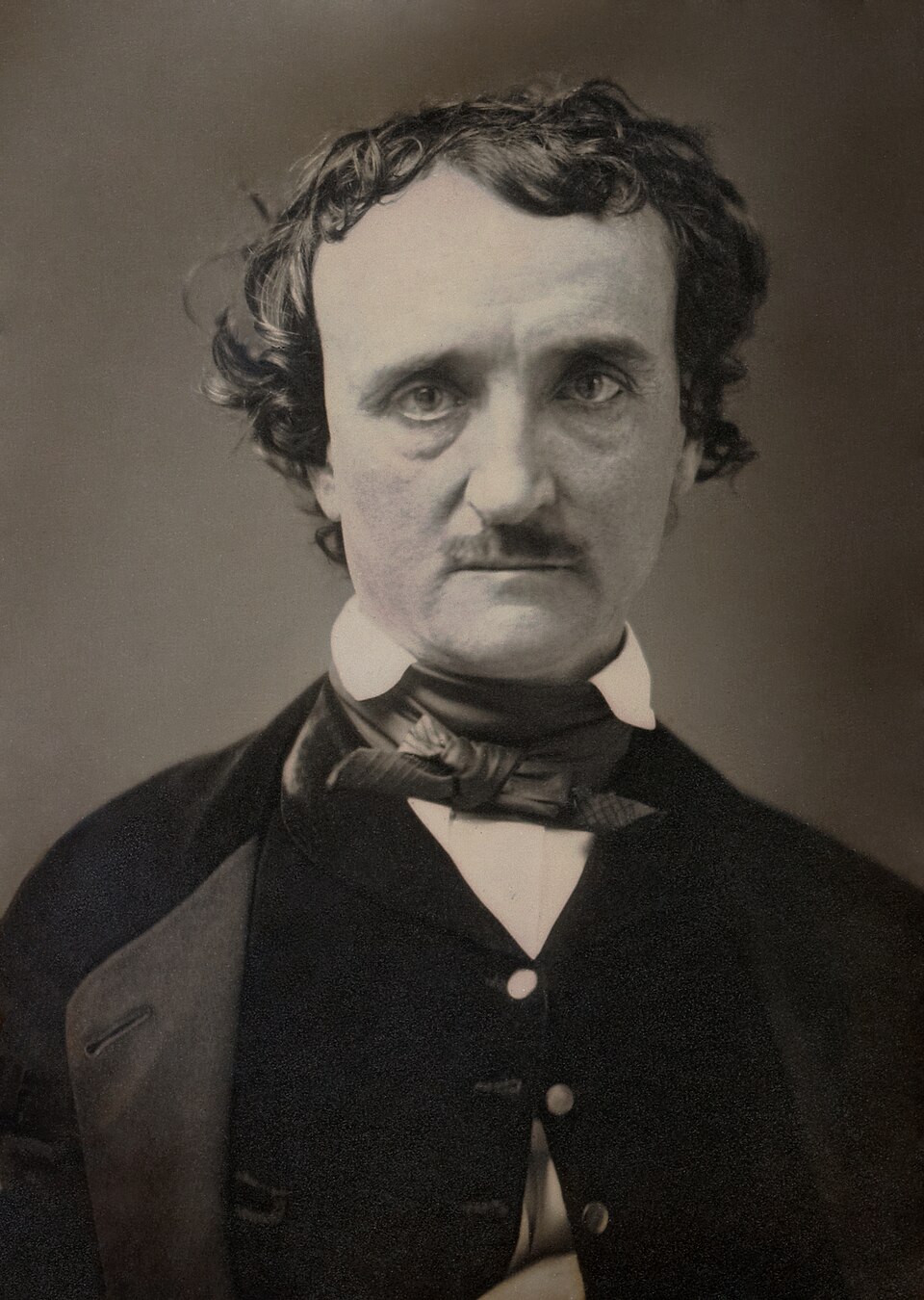
Edgar Allan Poe
1809 – 1849
American writer and literary critic (1809–1849)
- United States
- American
- Dark Romanticism
- Gothic
- Romanticism
About
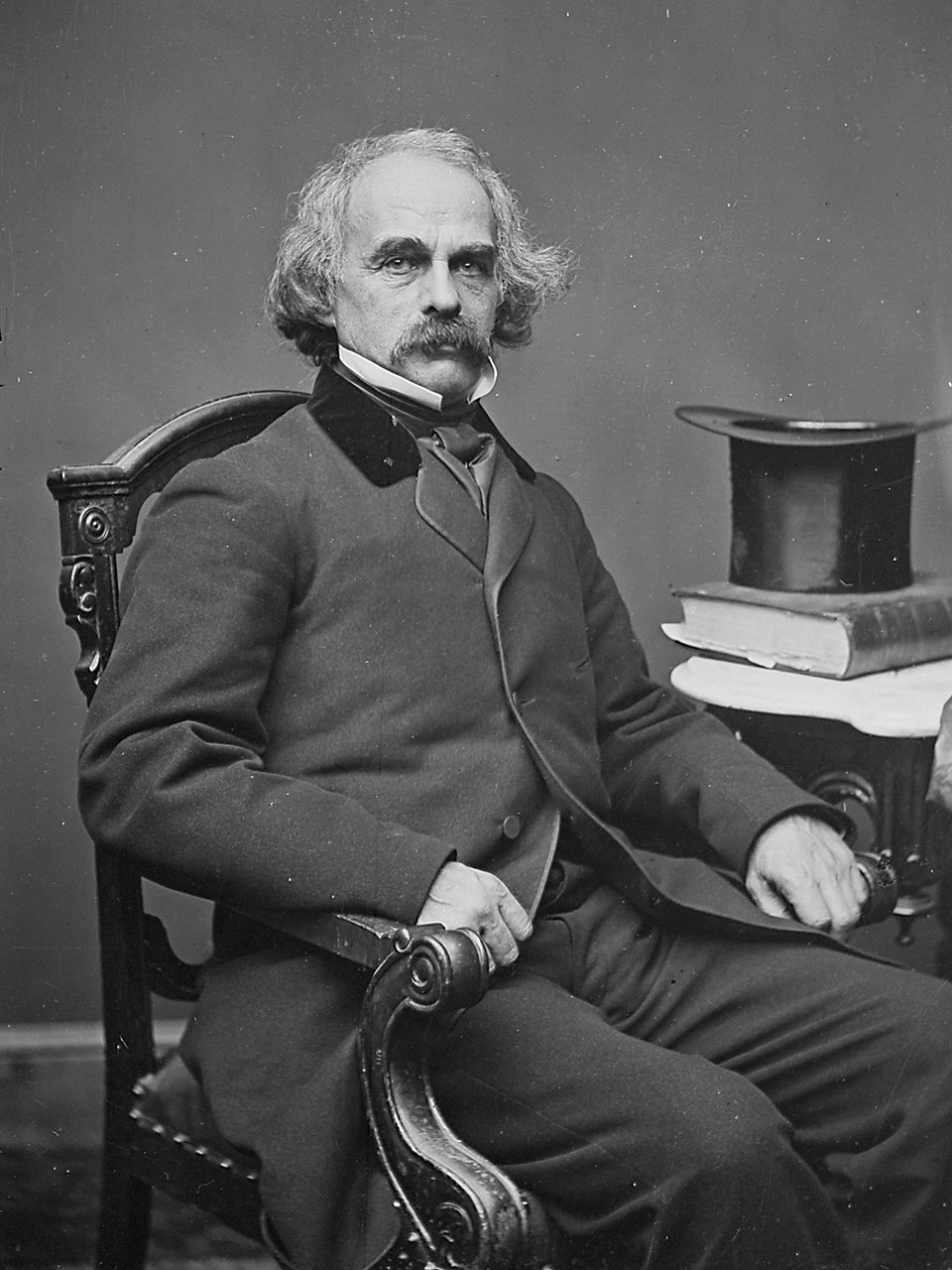
Edgar Allan Poe was an American writer, poet, editor, and literary critic who is best known for his poetry and short stories, particularly his tales involving mystery and the macabre. He is widely regarded as one of the central figures of Romanticism and Gothic fiction in the United States and of early American literature. Poe was one of the country's first successful practitioners of the short story, and is generally considered to be one of the pioneers of the detective fiction genre. In addition, he is credited with contributing significantly to the emergence of science fiction. He is the first well-known American writer to earn a living exclusively through writing, which resulted in a financially difficult life and career.
Source: Wikipedia (CC BY-SA). Portrait by Unknown authorUnknown author; Restored by Yann Forget and Adam Cuerden (Public domain) via Wikimedia Commons.
Life on the Timeline
Major Works

Exam Dossier
Most-asked topics
- Poe's theory of the short story (unity/single effect)
- Gothic and Dark Romanticism in Poe's fiction
- Poe as originator of detective fiction (Dupin tales)
- The Raven and Poe's theory of poetry ("The Philosophy of Composition")
- Unreliable narrators and psychological horror in the tales
- Poe as literary critic and reviewer
- Poe's influence on Symbolism and later detective/horror fiction
- Doppelganger and premature burial motifs
Previous-year themes
- Poe's concept of the 'single effect' in the short story
- Poe as father of the modern detective story
- Gothic elements and the macabre in American Romanticism
- 'The Raven' and Poe's theory of poetic composition
- Unreliable/mad narrators in Poe's tales
- Poe's literary criticism and reviewing career
- Poe's influence on French Symbolists (Baudelaire) and on later crime fiction
Common confusions
- Confusing Poe's 'The Murders in the Rue Morgue' (first Dupin tale, 1841) with 'The Purloined Letter' (third Dupin tale, 1844).
- Mixing up 'The Fall of the House of Usher' (family mansion collapses) with 'The Oval Portrait' (a painted portrait drains its sitter's life).
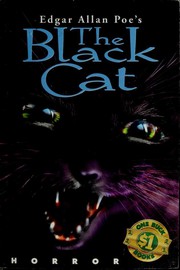
- Confusing 'The Tell-Tale Heart' (murderer haunted by an imagined heartbeat) with 'The Black Cat' (narrator haunted by a cat after killing his first one).
- Assuming 'The Raven' and 'The Philosophy of Composition' were published in the same year (the poem is 1845; the essay explaining its composition followed later).
- Confusing Poe's only novel, 'The Narrative of Arthur Gordon Pym of Nantucket,' with his short stories.
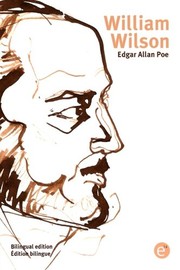
- Mixing up 'William Wilson' (doppelganger theme) with other first-person confessional tales like 'The Tell-Tale Heart' or 'The Black Cat.'
Memory tricks
'Rue Morgue' = Route to the first modern detective story — remember 1841 as the birth year of detective fiction.
'Raven' rhymes with '1845' — the year fame arrived with "Nevermore."
USHER = 'U Should Hear Everything Ruins' — the house and family both fall together in 1839.
WILSON has 'twin' hidden in theme, not word — link William Wilson to the doppelganger/double motif.
GOLD-BUG = code/cryptology — remember it as Poe's puzzle-and-cipher tale (1843).
Dupin trilogy order: Rue Morgue (1841) to Marie Roget to Purloined Letter (1844) — 'Rue to Roget to Purloined' tracks Dupin's growing fame.