Romantic
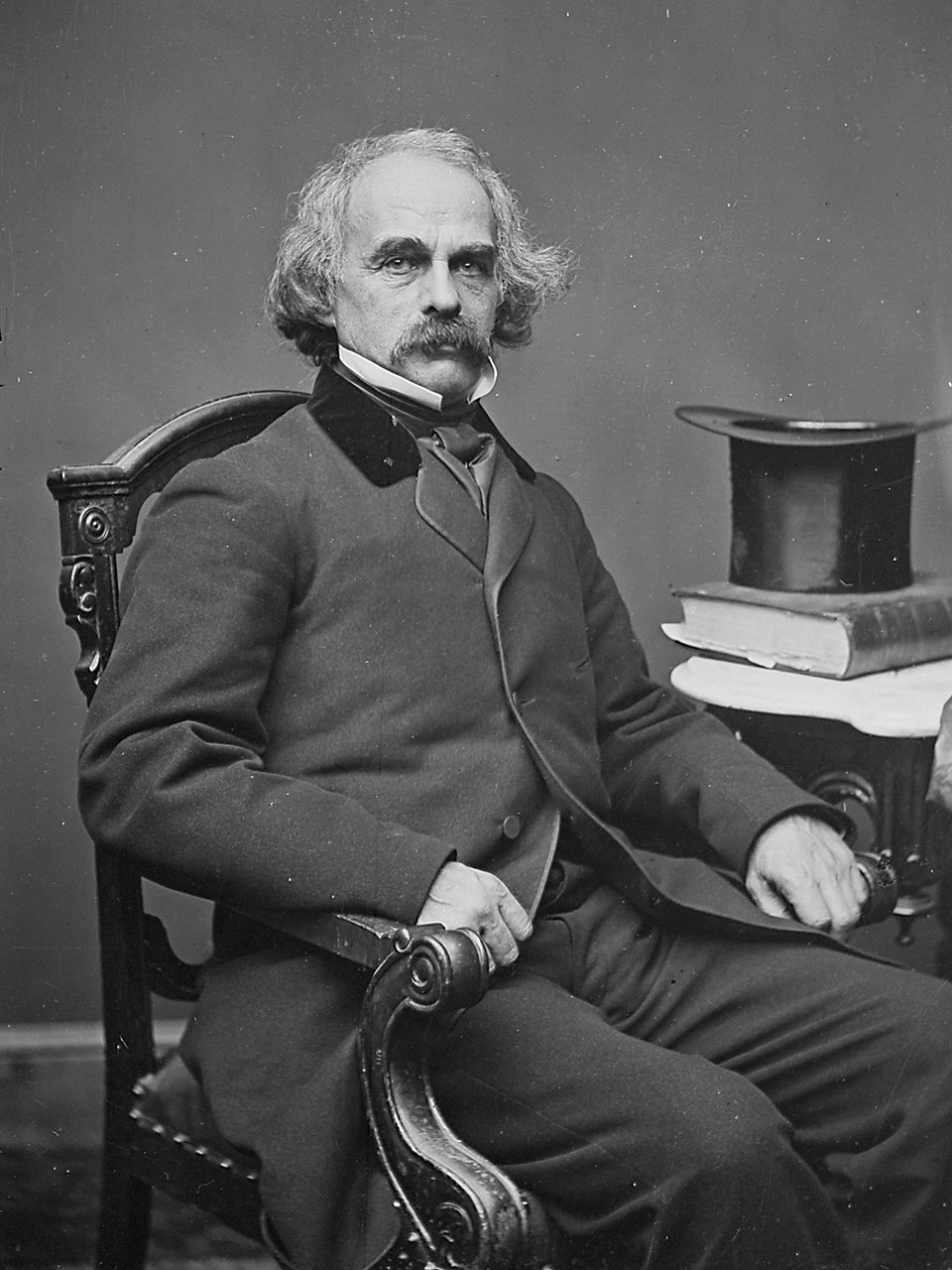
Nathaniel Hawthorne
1804 – 1864
American author (1804–1864)
- United States
- American
- Dark Romanticism
- Romanticism
About
Nathaniel Hawthorne was an American novelist and short story writer. His works often focus on history, morality, and religion.
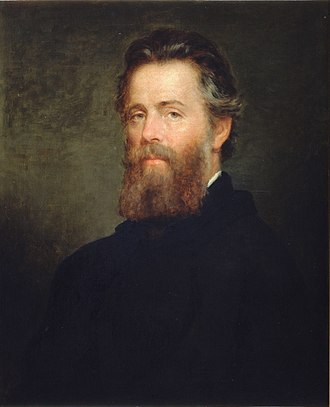
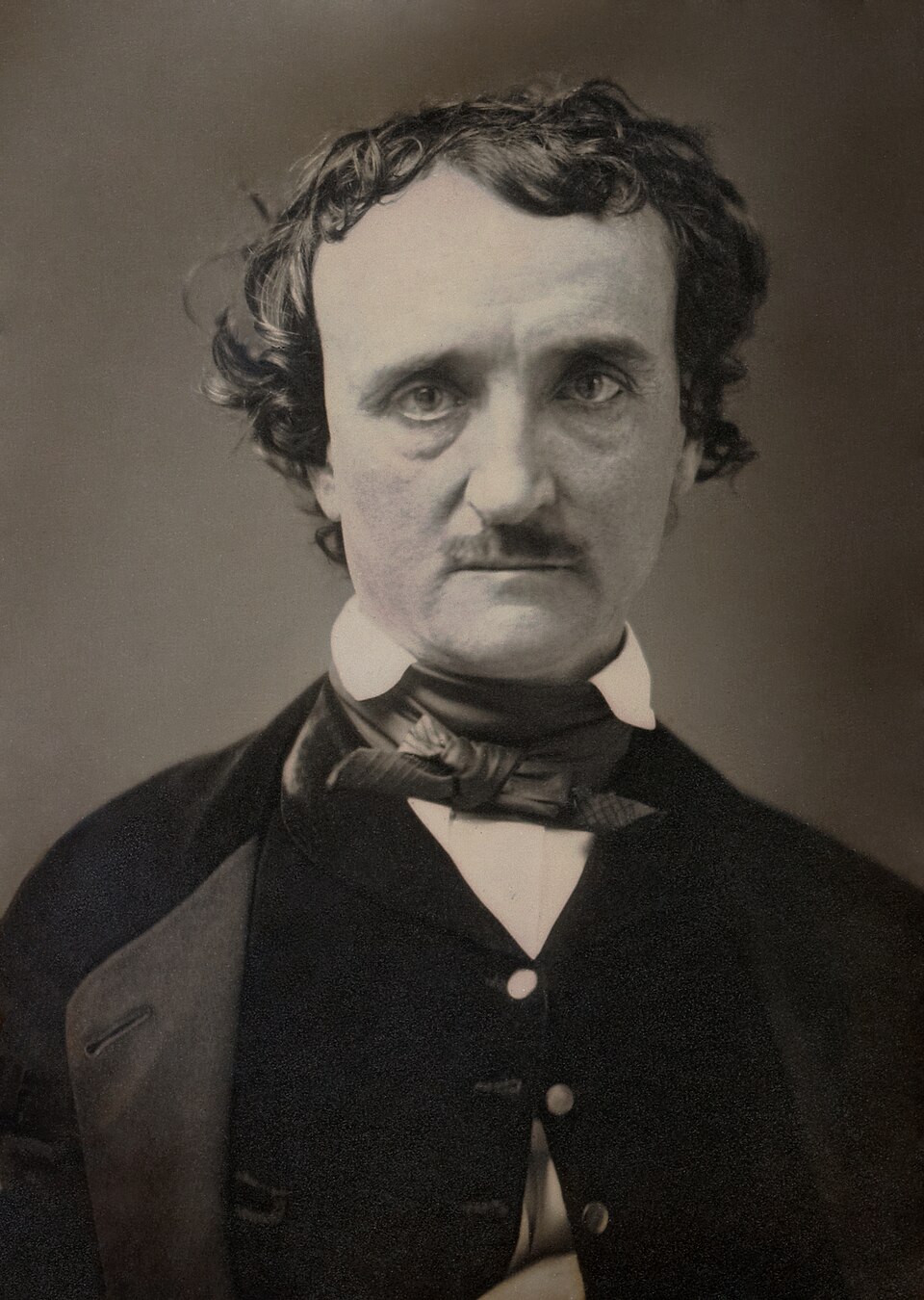
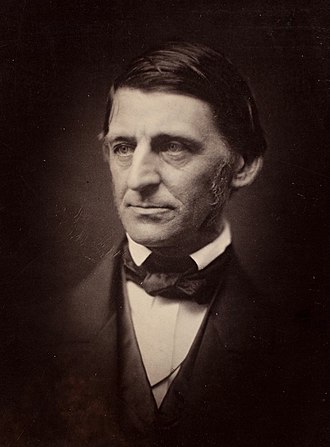
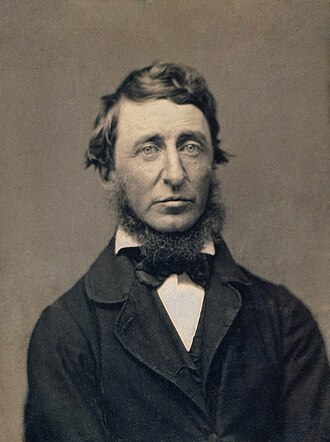
Source: Wikipedia (CC BY-SA). Portrait by Mathew Benjamin Brady (Public domain) via Wikimedia Commons.
Life on the Timeline
Major Works
Exam Dossier
Most-asked topics
- The Scarlet Letter — themes of sin, guilt and Puritan society
- Symbolism and allegory in Hawthorne's fiction
- Dark Romanticism vs. Transcendentalism
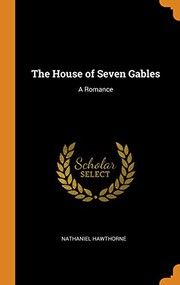
- The House of the Seven Gables and the theme of ancestral guilt
- Hawthorne's short stories: 'Young Goodman Brown', 'The Minister's Black Veil', 'Rappaccini's Daughter'
- Hawthorne–Melville literary friendship
- Puritan New England as historical/moral setting
- Hawthorne's narrative technique and use of the romance form vs. the novel
Previous-year themes
- Hawthorne's place within American Dark Romanticism
- Symbolism of the scarlet letter 'A' and other Hawthornean symbols
- Moral ambiguity and the theme of hidden sin in his fiction
- Hawthorne's distinction between 'romance' and 'novel'
- Autobiographical and historical elements (Salem, Custom House, Puritan ancestry)
- Hawthorne's short fiction as allegory
- Hawthorne's influence on and relationship with American Renaissance writers
Common confusions
- Confusing Hawthorne (Dark Romantic) with the Transcendentalists (Emerson, Thoreau) whose optimism he actually questioned, despite living near Concord and knowing them personally.
- Confusing 'Young Goodman Brown' (short story) with The Scarlet Letter (novel) when citing forest/wilderness symbolism.
- Mixing up Hester Prynne (The Scarlet Letter) with Zenobia (The Blithedale Romance) as both are strong-willed heroines in Hawthorne's fiction.
- Confusing Hawthorne's spelling of his surname (he added a 'w') with his ancestor John Hathorne, the Salem witch-trial judge.
- Attributing Moby-Dick's dedication or authorship confusion between Hawthorne and Melville due to their close friendship.
- Confusing The House of the Seven Gables with Edgar Allan Poe's 'The Fall of the House of Usher' due to similar Gothic house imagery.
Memory tricks
'Hawthorne adds a W' — to distance himself from ancestor John Hathorne, the Salem witch-trial judge.
SCARLET = Sin, Custom-house, Adultery, Roger (Chillingworth), Letter 'A', Estrangement, Truth — key elements of The Scarlet Letter.
'Seven Gables, Seven Generations' — the Pyncheon family curse spans generations, like the house's many gables.
Dark Romantics = Hawthorne, Poe, Melville — remember as 'H-P-M', the shadow side of the American Renaissance.
'Twice-Told' = told twice — Hawthorne's first tales collection recycles earlier magazine pieces, hence the title.
Brook Farm → Blithedale — Hawthorne's brief stay at the Brook Farm commune inspired The Blithedale Romance.