Victorian
Mark Twain
1835 – 1910
American author and humorist (1835–1910)
- United States
- American
- Realism
About
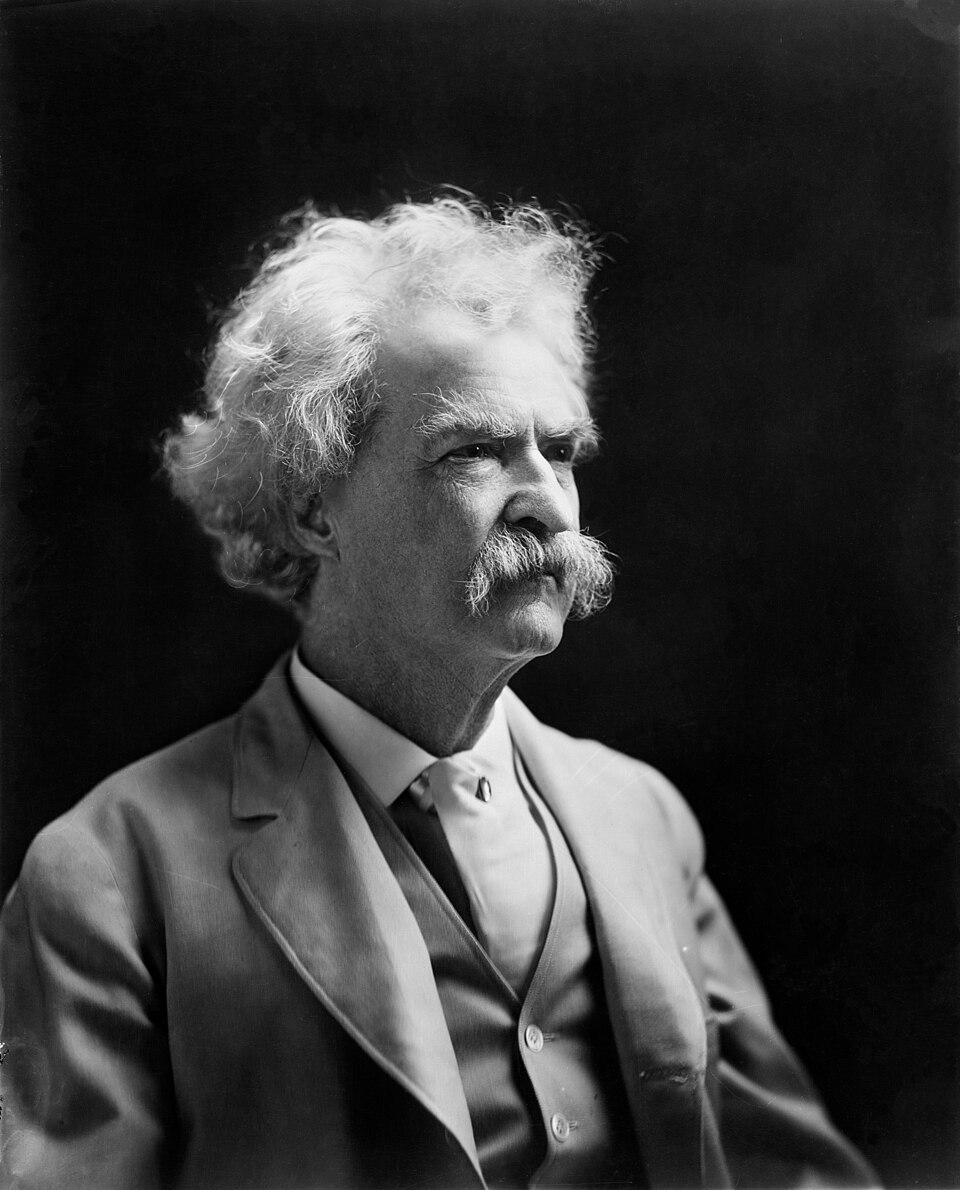
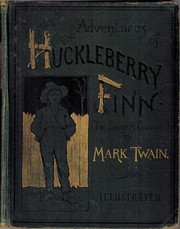
Samuel Langhorne Clemens, known by the pen name Mark Twain, was an American writer, humorist, and essayist. He has been praised as the "greatest humorist the United States has produced", with William Faulkner calling him "the father of American literature". Twain's novels include The Adventures of Tom Sawyer (1876) and its sequel, Adventures of Huckleberry Finn (1884), with the latter often called the "Great American Novel". He also wrote A Connecticut Yankee in King Arthur's Court (1889) and Pudd'nhead Wilson (1894) and cowrote The Gilded Age: A Tale of Today (1873) with Charles Dudley Warner.
Source: Wikipedia (CC BY-SA). Portrait by Unknown authorUnknown author (Public domain) via Wikimedia Commons.
Life on the Timeline
Major Works
Exam Dossier
Most-asked topics
- Mark Twain's biography and pen name origin
- Adventures of Huckleberry Finn as the Great American Novel
- Narrative technique: vernacular/dialect and first-person narration
- American Realism and regionalism/local color
- Satire in A Connecticut Yankee in King Arthur's Court
- Race, slavery and moral growth in Huckleberry Finn
- Pudd'nhead Wilson and questions of identity/race
- Twain's humor and social criticism
Previous-year themes
- Twain's place in American Realism and the rise of vernacular fiction
- Huckleberry Finn's narrative voice and its influence on later American writers
- Chronology and authorship of Twain's major novels
- Satire and critique of romanticism/medievalism in A Connecticut Yankee
- Treatment of slavery, race and conscience in Huckleberry Finn
- Twain as regional/local-color humorist of the Mississippi Valley
- Censorship and canonical debates surrounding Huckleberry Finn
Common confusions
- Treating 'Mark Twain' and 'Samuel Langhorne Clemens' as two different people rather than pen name and real name of the same author.
- Confusing the narrative mode of the two boy novels: Tom Sawyer (1876) is third-person narrated, while Huckleberry Finn (1884) is first-person, narrated by Huck himself in dialect.
- Assuming 'the Great American Novel' epithet is officially applied to Tom Sawyer rather than to Huckleberry Finn.
- Believing Twain wrote The Gilded Age alone, forgetting his co-author Charles Dudley Warner.
- Confusing A Connecticut Yankee in King Arthur's Court (Twain's satirical time-travel novel) with genuine medieval Arthurian romance such as Malory's Morte d'Arthur.
- Labelling Twain a Romantic writer instead of correctly placing him within American Realism and local-color regionalism.
Memory tricks
'Mark Twain' = riverboat leadsman's cry for two fathoms of safe water — recall his years as a Mississippi steamboat pilot behind the pen name.
'Huck floats, Tom plots' — Huck Finn is a first-person river journey; Tom Sawyer is a third-person village adventure.
'1876 Tom, then 1884 Huck' — remember Tom Sawyer came eight years before its sequel Huckleberry Finn.
'Yankee meets Camelot' — pair 'Connecticut Yankee' with 'King Arthur's Court' to fix the time-travel satire (1889).
'Pudd'nhead = swapped at birth' — link the title directly to the switched-babies/fingerprint plot (1894).
'Warner + Twain = Gilded Age' — remember the co-authorship of the 1873 novel that named an era.