Modernism
Ernest Hemingway
1899 – 1961
American author and journalist (1899–1961)
- United States
- American
- Lost Generation
- Modernism
- ◆ Nobel 1954
About
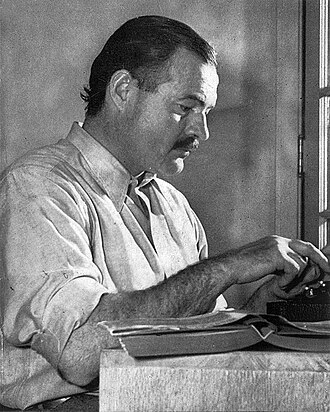
Ernest Miller Hemingway was an American novelist, short-story writer, and journalist. Known for an economical, understated style that influenced later 20th-century writers, he has been romanticized for his adventurous lifestyle and outspoken, blunt public image. Some of his seven novels, six short-story collections and two non-fiction works have become classics of American literature, and he was awarded the 1954 Nobel Prize in Literature.
Source: Wikipedia (CC BY-SA). Portrait by Lloyd Arnold (Public domain) via Wikimedia Commons.
Life on the Timeline
Major Works
Exam Dossier
Most-asked topics
- Iceberg Theory / theory of omission
- Hemingway's prose style (economy, understatement, parataxis)
- The Lost Generation and Hemingway
- The Hemingway hero / grace under pressure
- Nada and existential nihilism in the short stories
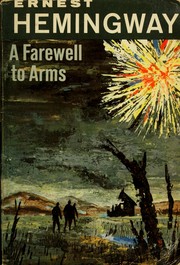
- War and disillusionment in A Farewell to Arms
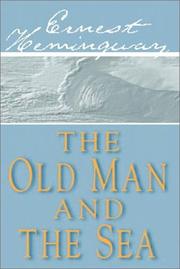
- Symbolism in The Old Man and the Sea
- Gender, masculinity, and the wound motif (The Sun Also Rises)
Previous-year themes
- Hemingway's 'iceberg theory' of writing
- Hemingway as a representative of the Lost Generation
- Stream-of-consciousness vs. Hemingway's objective/behaviorist style
- The Old Man and the Sea as allegory/parable and Nobel citation
- Themes of war, wound, and disillusionment in Hemingway's fiction
- Hemingway's influence on American prose style
- Autobiographical elements in Hemingway's fiction
Common confusions
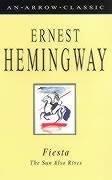
- Confusing The Sun Also Rises (1926, Paris/Pamplona expatriates) with A Farewell to Arms (1929, Italian WWI front) as the same novel.
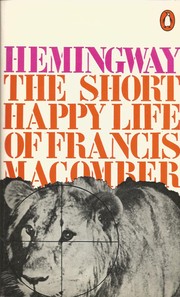
- Mixing up the two 1936 African safari stories: The Snows of Kilimanjaro (a dying writer, Harry) versus The Short Happy Life of Francis Macomber (a hunter's transformation and death).
- Assuming Hemingway wrote stream-of-consciousness fiction like Woolf or Joyce, when his method is external, dialogue-based, and behaviorist.
- Believing The Old Man and the Sea won Hemingway the Nobel Prize outright, rather than being cited as central evidence for the 1954 award for his body of work.
- Attributing 'the lost generation' phrase as Hemingway's own coinage rather than Gertrude Stein's remark, which he merely quoted.
- Confusing Hemingway's protagonist Santiago (The Old Man and the Sea) with Jake Barnes (The Sun Also Rises) or Frederic Henry (A Farewell to Arms).
Memory tricks
'ICE-berg' = In Content, Everything's beneath the surface — Hemingway shows little, implies much.
'SUN rises in PARIS' — The Sun Also Rises (1926) is set among Paris/Pamplona expatriates.
'FAREWELL to ARMS, FAREWELL to war' — 1929, Italian front, ends in loss.
Two 1936 African tales: 'SNOWS' and 'SHORT HAPPY LIFE' both begin with 'S' and both set in Africa.
'OLD MAN, OLD AGE, 1952' — his last major fiction before the 1954 Nobel.
Chronology mnemonic: Sun (26) → Farewell (29) → Snows/Macomber (36) → Old Man (52) → Nobel (54).