Modernism
F. Scott Fitzgerald
1896 – 1940
American writer (1896–1940)
- United States
- American
- Lost Generation
- Modernism
About
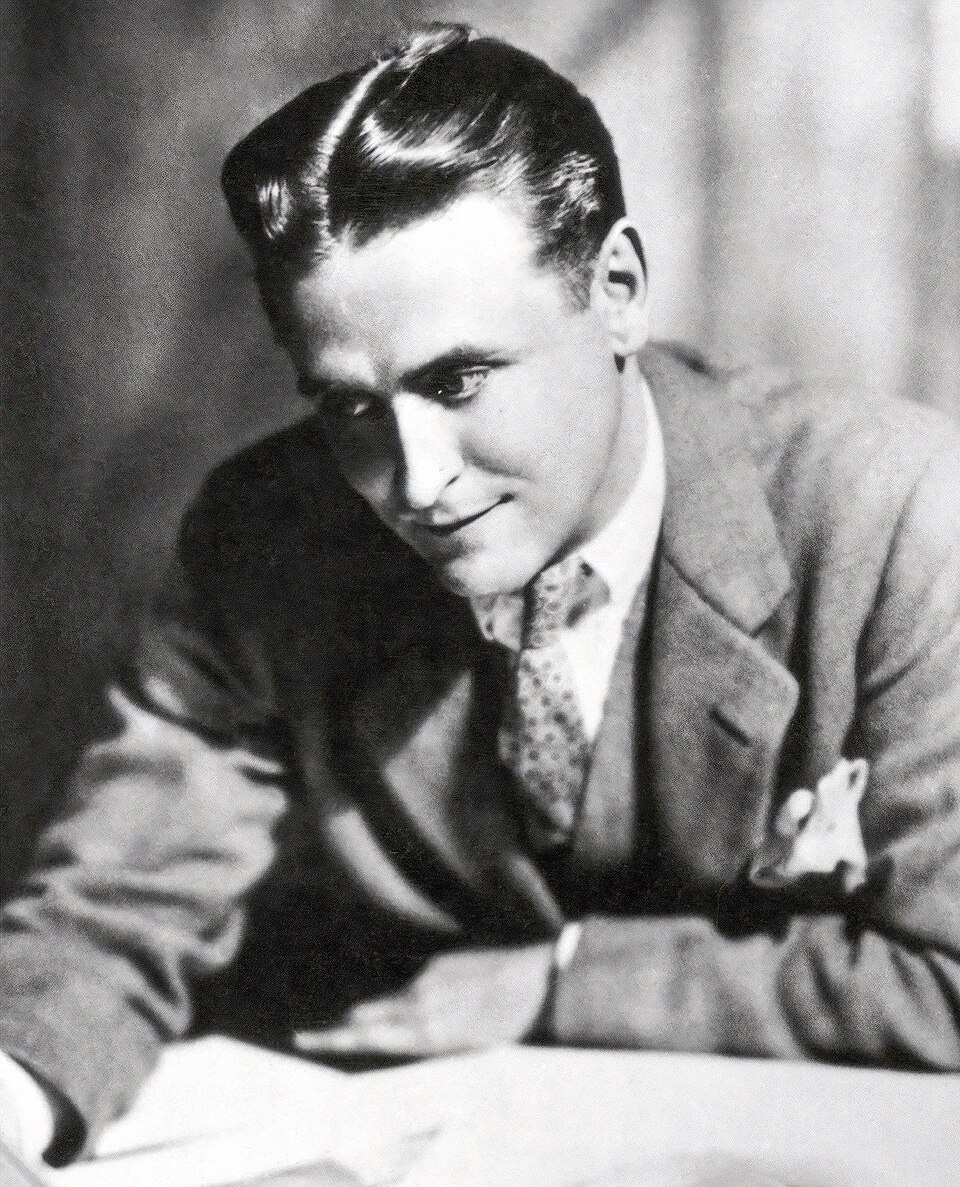
Francis Scott Key Fitzgerald, widely known as F. Scott Fitzgerald or simply Scott Fitzgerald, was an American novelist, essayist, and short story writer. He is best known for his novels depicting the flamboyance and excess of the Jazz Age, a term that he popularized in his short story collection Tales of the Jazz Age. He published four novels, four story collections, and 164 short stories. He achieved transient success and fortune in the 1920s, but did not receive critical acclaim until after his death. He is now widely regarded as one of the greatest American writers of the 20th century.
Source: Wikipedia (CC BY-SA). Portrait by Nickolas Muray (Public domain) via Wikimedia Commons.
Life on the Timeline
Major Works
Exam Dossier
Most-asked topics
- The Great Gatsby as the definitive Jazz Age novel
- The American Dream and its corruption in Gatsby
- Nick Carraway as unreliable/moral narrator
- Fitzgerald and the Lost Generation
- Tender Is the Night and psychological/autobiographical fiction
- Symbolism in The Great Gatsby (green light, Valley of Ashes, eyes of T.J. Eckleburg)
- Fitzgerald's prose style and lyricism
- Fitzgerald's place in American Modernism
Previous-year themes
- Fitzgerald as chronicler of the Jazz Age and the 'lost generation'
- narrative technique and point of view in The Great Gatsby
- the American Dream theme in 20th-century American fiction
- symbolism and imagery in The Great Gatsby
- chronology and titles of Fitzgerald's novels
- Fitzgerald's association with Ernest Hemingway and expatriate modernism
- critical reassessment of Fitzgerald after his death
Common confusions
- Confusing Fitzgerald's Lost Generation with the Beat Generation of the 1950s.
- Mixing up This Side of Paradise (1920, Amory Blaine) with The Beautiful and Damned (1922, Anthony Patch).
- Assuming Fitzgerald received major critical acclaim during his lifetime, when in fact this came mostly posthumously.
- Confusing the narrator Nick Carraway with the title character Jay Gatsby.
- Mixing up The Great Gatsby (1925) and Tender Is the Night (1934) publication dates.
- Assuming The Last Tycoon was completed and published in Fitzgerald's lifetime, when it was actually unfinished and posthumous.
Memory tricks
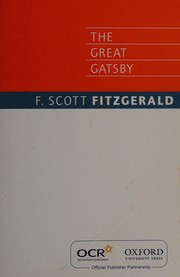
'Paradise, Damned, Gatsby, Tender' — recall Fitzgerald's four completed novels in order: This Side of Paradise, The Beautiful and Damned, The Great Gatsby, Tender Is the Night.
'GG-1925' — The Great Gatsby, mid-1920s, mid-Jazz Age.
Nick 'N'arrates — Nick Carraway is the Narrator, not the hero.
'Lost' generation = expatriates 'lost' after WWI, distinct from the later 'Beat' generation.
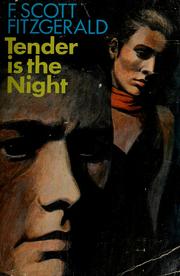
'Tender' comes later — Tender Is the Night (1934) is Fitzgerald's later, more autobiographical novel, after Gatsby (1925).
Jazz Age term popularized by Tales of the Jazz Age (1922) — 'Jazz' and '1922' rhyme in memory as his second story collection.