Modernism
William Faulkner
1897 – 1962
American writer (1897-1962)
- United States
- American
- Modernism
- Southern Gothic
- Stream of Consciousness
- modernist-literature
- ◆ Nobel 1949
About
William Cuthbert Faulkner was an American writer. He is best known for his novels and short stories set in the fictional Yoknapatawpha County, Mississippi, a stand-in for Lafayette County where he spent most of his life. Winner of the 1949 Nobel Prize in Literature, Faulkner is one of the most celebrated writers of American literature, often considered the greatest writer of Southern literature and regarded as one of the most influential and important writers of the 20th century.
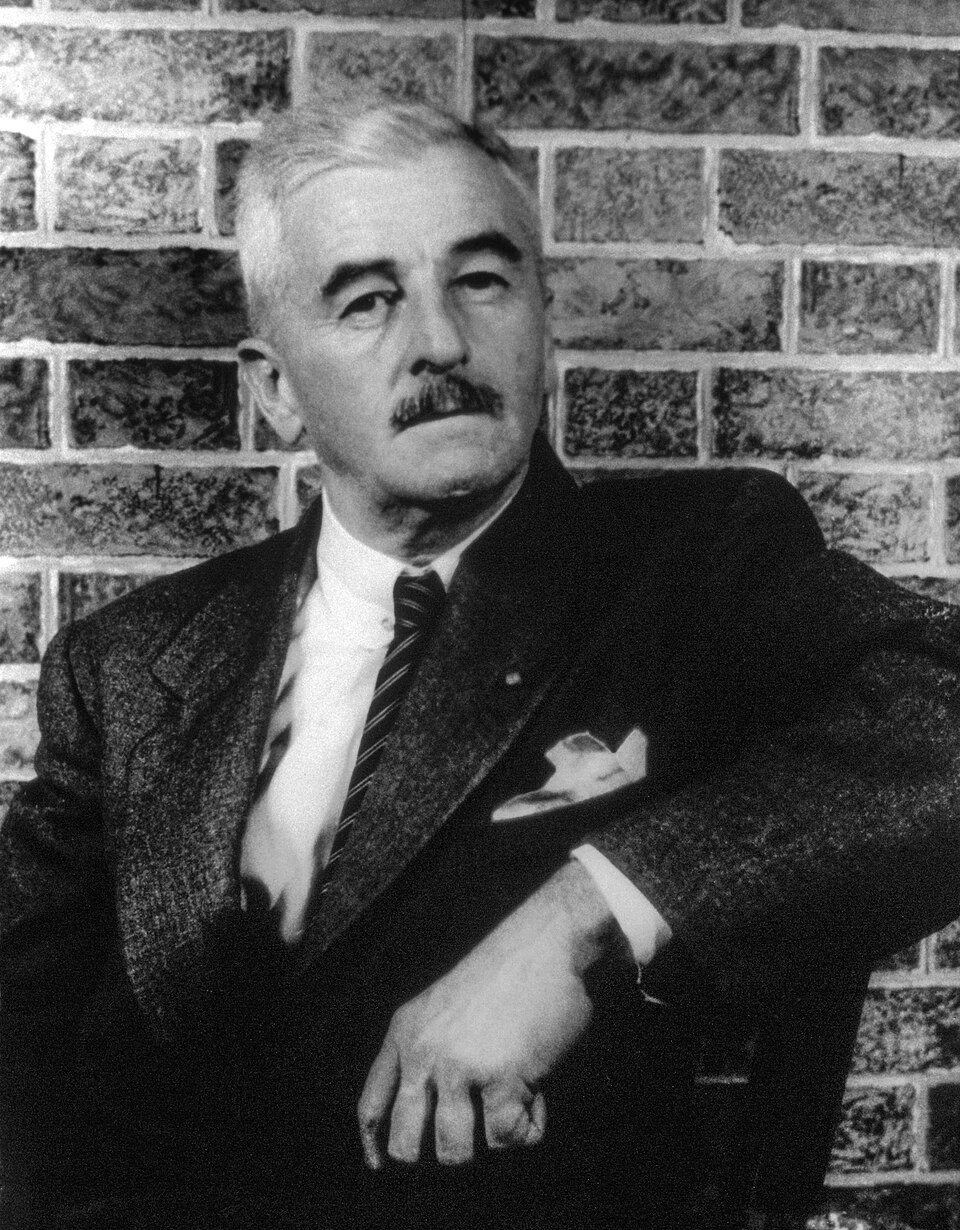
Source: Wikipedia (CC BY-SA). Portrait by Carl Van Vechten (Public domain) via Wikimedia Commons.
Life on the Timeline
Major Works
Exam Dossier
Most-asked topics
- Yoknapatawpha County and Faulkner's mythical geography
- Stream-of-consciousness and interior monologue technique
- Multiple/unreliable narrators and fragmented chronology
- Southern Gothic elements in Faulkner's fiction
- Theme of the decline of the Old South
- Race, slavery and history in Faulkner's novels
- Time, memory and guilt as recurring themes
- Faulkner's Nobel Prize speech (1950) and his view of the human spirit
Previous-year themes
- Faulkner's narrative experimentation with stream of consciousness and multiple narrators
- The Yoknapatawpha saga as a regional/mythical fictional world
- Southern Gothic conventions in Faulkner's novels and stories
- History, memory and the 'burden of the past' in Faulkner
- Race and the American South in Faulkner's fiction
- Faulkner's Nobel Prize speech and his humanist declaration
- Identification of famous opening/closing lines and narrators from his novels
- Faulkner in comparison with other American Modernists (Hemingway, Fitzgerald)
Common confusions
- Treating Yoknapatawpha County as a real place rather than Faulkner's fictional invention modeled on Lafayette County, Mississippi.
- Mixing up the narrators of The Sound and the Fury — confusing Benjy's, Quentin's, and Jason's sections and their distinct styles.
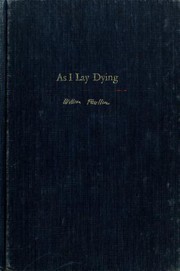
- Confusing the multiple narrators of As I Lay Dying (Darl, Vardaman, Cash, Addie, and others) with one another.
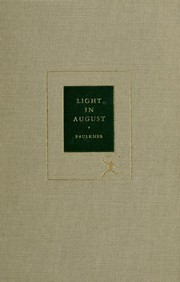
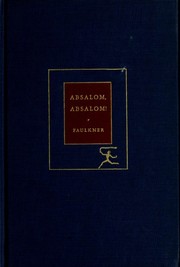
- Conflating Light in August's Joe Christmas with Absalom, Absalom!'s Thomas Sutpen — both isolated, obsessive outsider figures but from different novels.
- Mistaking Faulkner for a Realist or Naturalist writer instead of recognizing him as a Modernist associated with Southern Gothic.
- Confusing the Nobel Prize year (1949) with the year the prize was actually presented (1950, delayed to combine with the 1950 ceremony).
Memory tricks
Chronology anchor: 'Sound (29), Lay (30), Light (32), Absalom (36)' — track the decade climb from The Sound and the Fury to Absalom, Absalom!.
Yoknapatawpha = 'York-na-pataw-pha' modeled on 'Lafayette' — remember the real county behind the fictional name.
'Fish = Vardaman' instantly recalls the famous one-line chapter in As I Lay Dying.
'Sutpen's Hundred' — remember Absalom, Absalom! revolves around Thomas Sutpen's grand plantation design and its collapse.
Nobel line 'decline to accept the end of man' — pairs Faulkner's humanist optimism with his 1949 Nobel Prize.
Benjy Broods, Quentin Broods Too, Jason Bites, Dilsey Bears It — a rough cue for the tone of each Compson narrator in The Sound and the Fury.