Modernism
Langston Hughes
1902 – 1967
American writer and social activist (1901–1967)
- United States
- American
- Harlem Renaissance
- jazz poetry
About
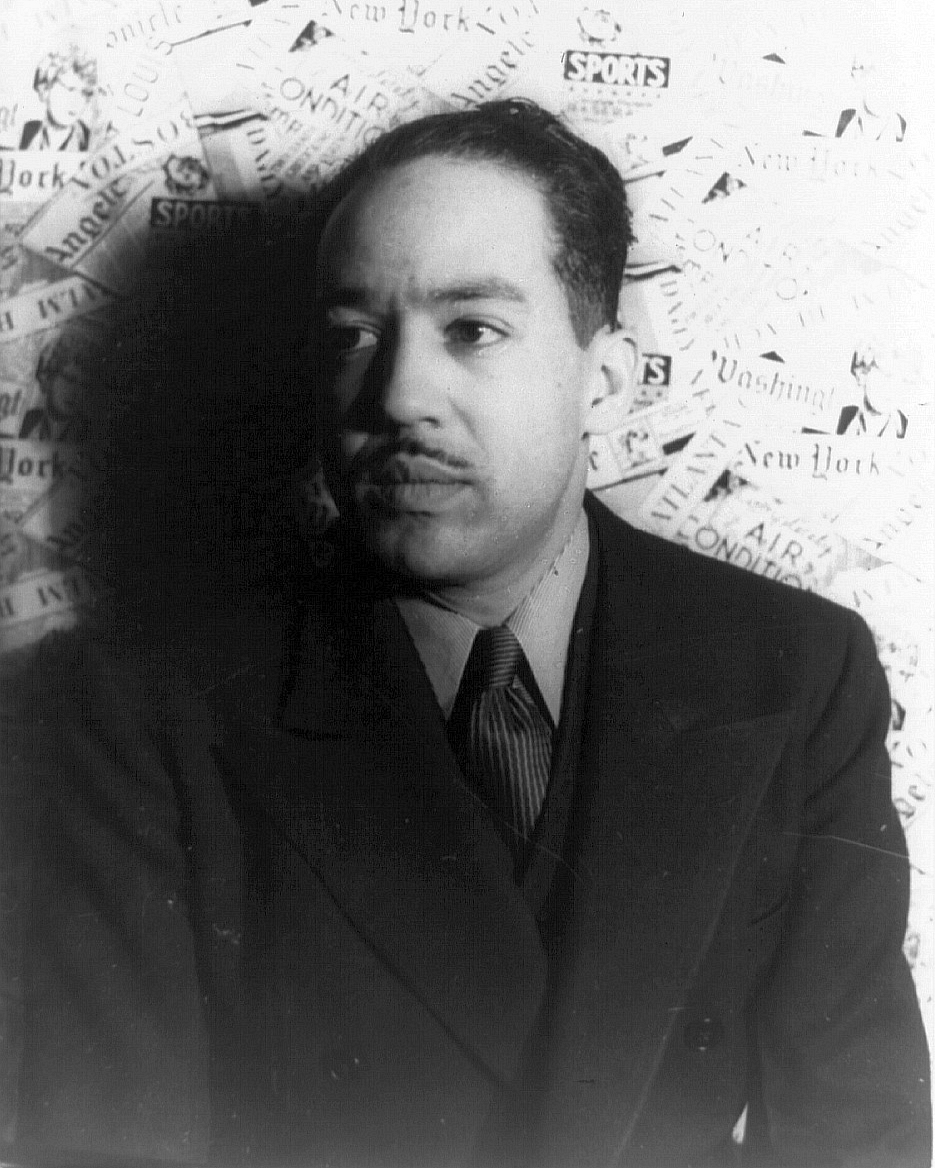
James Mercer Langston Hughes was an American poet, social activist, novelist, playwright, and columnist from Joplin, Missouri. An early innovator of jazz poetry, Hughes is best known as a leader of the Harlem Renaissance.
Source: Wikipedia (CC BY-SA). Portrait by Carl Van Vechten; cropped by Beyond My Ken (talk) 07:07, 5 August 2010 (UTC) (Public domain) via Wikimedia Commons.
Life on the Timeline
Major Works
Exam Dossier
Most-asked topics
- Harlem Renaissance leadership and manifesto
- Jazz poetry and blues form innovation
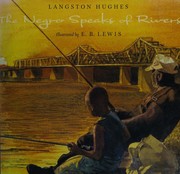
- "The Negro Speaks of Rivers" as breakthrough poem
- "Harlem"/"Dream Deferred" and its link to A Raisin in the Sun
- The "Simple" (Jesse B. Semple) newspaper persona
- Autobiographies: The Big Sea and I Wonder as I Wander
- Racial identity, pride, and vernacular Black speech in poetry
- Hughes's prose fiction: Not Without Laughter and The Ways of White Folks
Previous-year themes
- Hughes as central figure of the Harlem Renaissance / New Negro Movement
- Jazz and blues rhythm as formal innovation in his poetry
- "The Negro Artist and the Racial Mountain" as an aesthetic manifesto
- Identification of famous opening/closing lines from his major poems
- Chronological ordering of his poetry collections and prose works
- The recurring motif of the "dream deferred" and its literary afterlife
- Hughes's use of the vernacular/folk voice and working-class Black characters
Common confusions
- Confusing the Harlem Renaissance (1920s) with the later Black Arts Movement (1960s) led by figures such as Amiri Baraka.
- Confusing "The Negro Speaks of Rivers" (a poem) with "The Negro Artist and the Racial Mountain" (an essay) — both from the same period but different genres.
- Mixing up Hughes's "Simple" persona (Jesse B. Semple) with characters created by other Harlem Renaissance writers.
- Confusing Hughes's poem "Harlem" with Lorraine Hansberry's play A Raisin in the Sun, which borrows its title from the poem's line about a dream deferred.
- Conflating Hughes with fellow Harlem Renaissance poets Countee Cullen or Claude McKay and misattributing their signature works to him.
- Assuming Hughes wrote only poetry, overlooking his novels, short stories, plays, and two autobiographies.
Memory tricks
"Hughes = Harlem's Heartbeat" — pairs Hughes firmly with the Harlem Renaissance.
"Weary Blues, Weary Verse" — recalls that his debut collection channels blues rhythm and mood.
"Rivers Run Deep" — links "The Negro Speaks of Rivers" to its closing image of a soul grown deep like rivers.
"Raisin comes from Harlem" — remember Hansberry's play title borrows from Hughes's poem "Harlem."
"Simple by name, wise in nature" — recalls Jesse B. Semple, Hughes's plain-spoken newspaper persona.
"Big Sea, Big Life" — The Big Sea is his first autobiography, covering his early wandering years.