Postmodern
Ted Hughes
1930 – 1998
English poet and children's writer (1930–1998)
- United Kingdom
- British
About
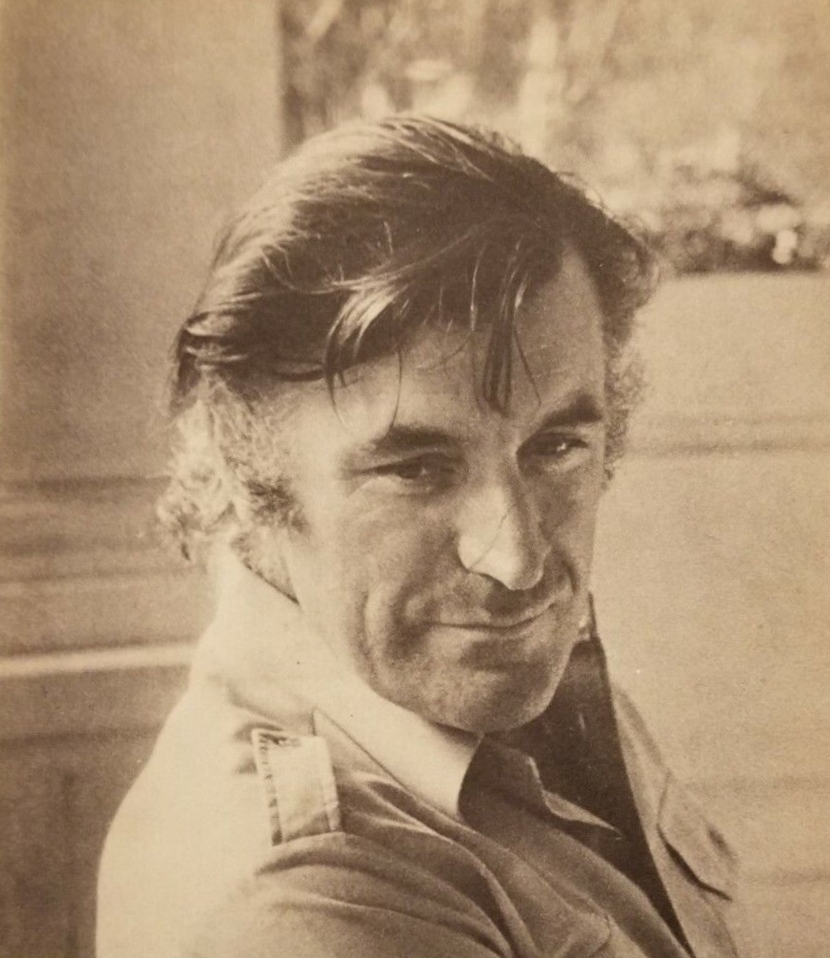
Edward James Hughes was an English poet, translator, and children's writer. Critics frequently rank him as one of the best poets of his generation and one of the twentieth century's greatest writers. He was appointed Poet Laureate in 1984 and held the office until his death. In 2008, The Times ranked Hughes fourth on its list of "The 50 greatest British writers since 1945".
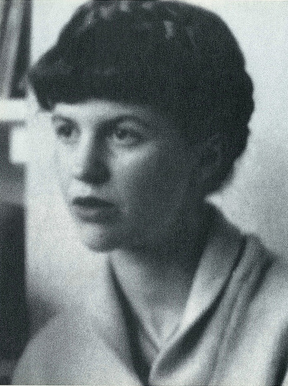
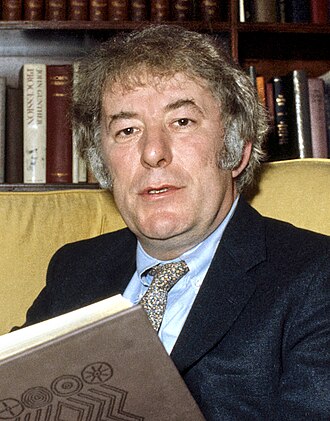
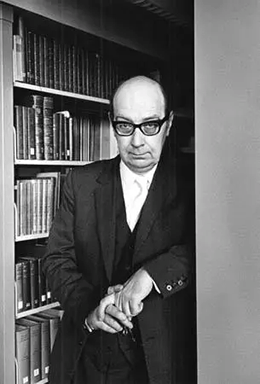
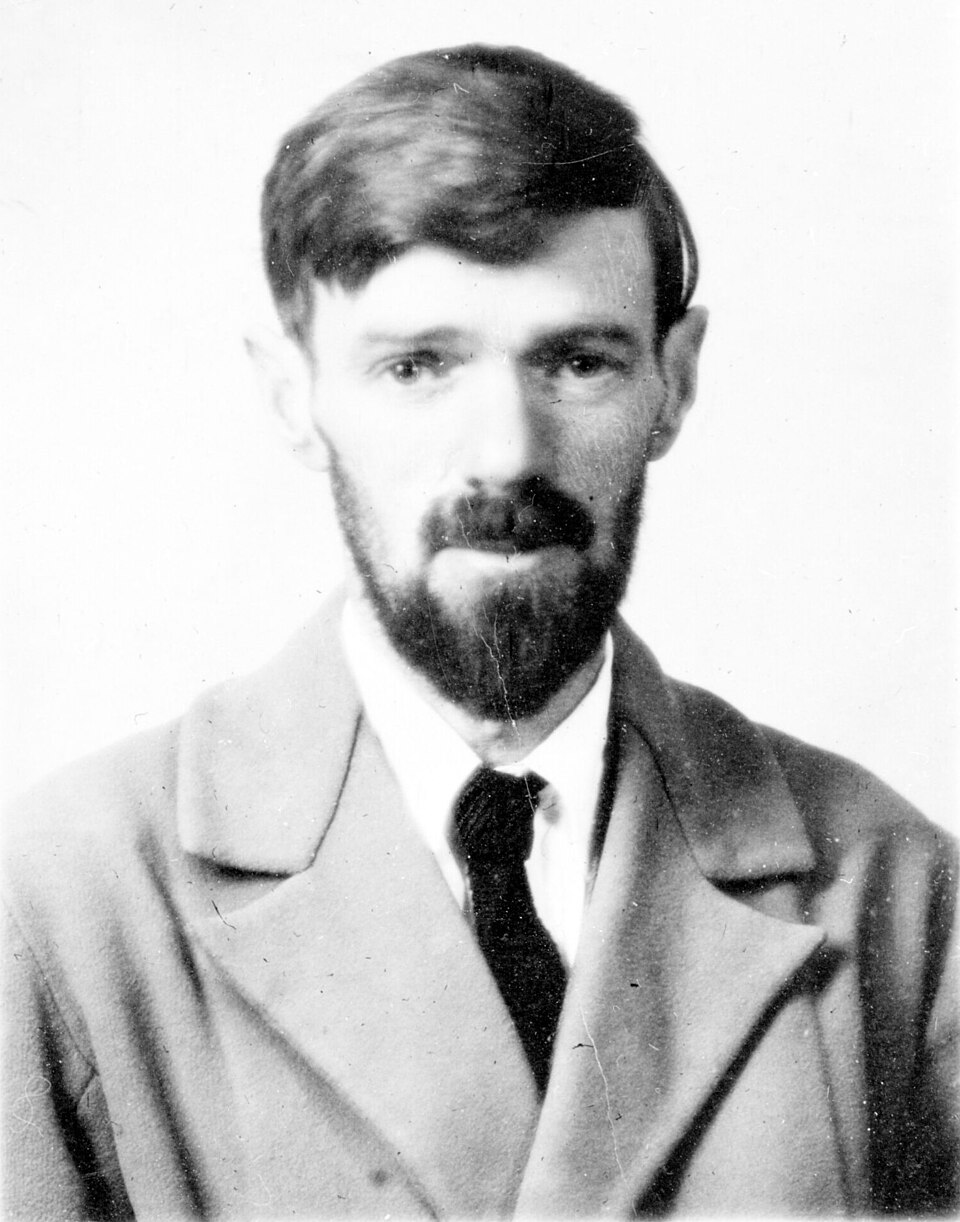
Source: Wikipedia (CC BY-SA). Portrait by Layle Silbert (Public domain) via Wikimedia Commons.
Life on the Timeline
Major Works
No works have been hung in this gallery yet — the acquisitions team is at work.
Exam Dossier
Most-asked topics
- Hughes's animal/nature poetry (The Hawk in the Rain, Lupercal)
- Crow: From the Life and Songs of the Crow as mythic sequence
- Hughes and Sylvia Plath - marriage and Birthday Letters
- Hughes as Poet Laureate (1984-1998)
- Violence, myth and the primitive in Hughes's imagery
- Hughes's children's writing (The Iron Man)
- Hughes and translation (Tales from Ovid)
- Hughes in the context of post-war British poetry
Previous-year themes
- Imagery of violence and predation in animal poems
- Hughes's mythic/archetypal method in Crow
- Comparison of Hughes and Sylvia Plath's poetic styles
- Hughes's role as Poet Laureate and public poet
- Birthday Letters as confessional/elegiac response to Plath
- Hughes's departure from Movement poetics
- Nature and ecological consciousness in Hughes's verse
Common confusions
- Confusing Ted Hughes's Crow (1970, mythic and violent) with Sylvia Plath's Ariel (1965, confessional) as though they share the same tone and method.
- Confusing "The Thought-Fox" (The Hawk in the Rain, 1957) with "Hawk Roosting" (Lupercal, 1960) since both are famous early animal poems but belong to different collections.
- Confusing Ted Hughes with the American poet Langston Hughes, a different writer of a different era and nationality.
- Confusing the year of Hughes's Poet Laureateship (1984) with the year of his marriage to Plath (1956) or her death (1963).
- Confusing The Iron Man (1968), a children's book, with Hughes's adult poetry collections on animals such as Lupercal or Crow.
- Assuming Birthday Letters (1998) was written and published soon after Plath's death, when in fact it appeared decades later, in the final year of Hughes's own life.
Memory tricks
"Hawk first, Lupercal next" — recall The Hawk in the Rain (1957) precedes Lupercal (1960).
"Crow lands in 1970" — fix the dark mythic sequence to its decade.
"1984: Hughes wears the Laureate's crown" — links the year directly to the office.
"Birthday Letters, last words to Sylvia" — ties the 1998 collection to Plath and to the year of Hughes's death.
"Iron Man for children, Crow for the initiated" — separates his children's fiction from his adult mythic poetry.
"Ovid's Tales, Hughes's last translation" — remember Tales from Ovid (1997) as his late verse-translation project.