Postmodern
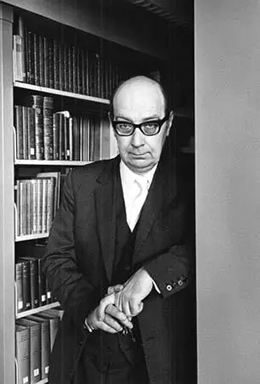
Philip Larkin
1922 – 1985
English writer, jazz critic and librarian (1922-1985)
- United Kingdom
- British
- The Movement
About
Philip Arthur Larkin was an English poet, novelist, and librarian. His first book of poetry, The North Ship, was published in 1945, followed by two novels, Jill (1946) and A Girl in Winter (1947). He came to prominence in 1955 with the publication of his second collection of poems, The Less Deceived, followed by The Whitsun Weddings (1964) and High Windows (1974). He contributed to The Daily Telegraph as its jazz critic from 1961 to 1971, with his articles gathered in All What Jazz: A Record Diary 1961–71 (1985), and edited The Oxford Book of Twentieth Century English Verse (1973). His many honours include the Queen's Gold Medal for Poetry. He was offered, but declined, the position of Poet Laureate in 1984, following the death of Sir John Betjeman.
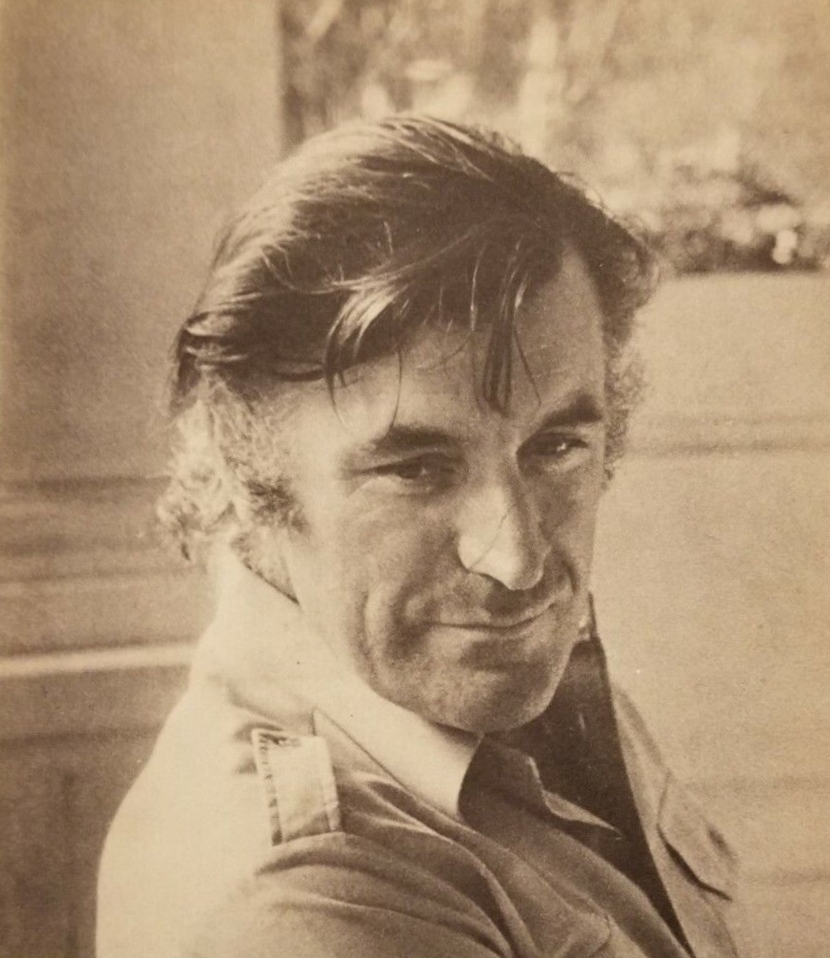
Source: Wikipedia (CC BY-SA). Portrait by Humphrey Ocean (CC BY-SA 4.0) via Wikimedia Commons.
Life on the Timeline
Major Works
No works have been hung in this gallery yet — the acquisitions team is at work.
Exam Dossier
Most-asked topics
- Larkin and The Movement (anti-modernist, plain-style poetics)
- Chronology and themes of The North Ship, The Less Deceived, The Whitsun Weddings, High Windows
- Larkin's treatment of death, time and mortality (Aubade, Ambulances)
- Larkin's ironic, anti-romantic voice and colloquial diction
- Larkin as librarian-poet and 'the hermit of Hull'
- Larkin's novels: Jill and A Girl in Winter
- Larkin as jazz critic and editor of The Oxford Book of Twentieth Century English Verse
- Larkin's refusal of the Poet Laureateship (1984) and public image
- Larkin and English identity/ordinary life in post-war poetry
- Comparisons with Yeats, Eliot, Hardy and Hughes
Previous-year themes
- Larkin's association with 'The Movement' and its reaction against modernism
- Identification of famous opening/closing lines from Larkin's poems
- Chronological ordering of Larkin's major poetry collections
- Larkin's themes of death, disillusionment and ordinary English life
- Larkin's prose works: novels and jazz criticism
- Larkin's refusal of the Poet Laureateship and his relation to Betjeman/Hughes
- Larkin's plain style versus modernist experimentation (Eliot, Pound)
Common confusions
- Assuming The Less Deceived (1955) was Larkin's first collection — his actual debut was The North Ship (1945).
- Confusing Larkin's two novels, Jill (1946) and A Girl in Winter (1947), with his poetry collections.
- Thinking Larkin actually served as Poet Laureate — he declined the offer in 1984, and Ted Hughes was appointed instead.
- Mixing up which poem contains which famous line, especially confusing This Be The Verse with An Arundel Tomb.
- Assuming Larkin was a modernist experimenter like Eliot or Pound, when he is defined by reaction against modernist difficulty.
- Believing Larkin won a Nobel Prize in Literature — he did not; his honours include the Queen's Gold Medal for Poetry.
Memory tricks
'North Ship sails first' — The North Ship (1945) was Larkin's poetic debut.
'Jill, then a Girl' — novels Jill (1946) followed by A Girl in Winter (1947).
'Less-Whitsun-High' ladder — The Less Deceived (1955) to The Whitsun Weddings (1964) to High Windows (1974), each about a decade apart.
'Larkin said no to the Laurel' — he declined Poet Laureate in 1984.
'Jazz man of the Telegraph' — jazz critic for The Daily Telegraph, 1961-71, gathered in All What Jazz (1985).
'Oxford editor in '73' — Larkin edited The Oxford Book of Twentieth Century English Verse in 1973.