Victorian
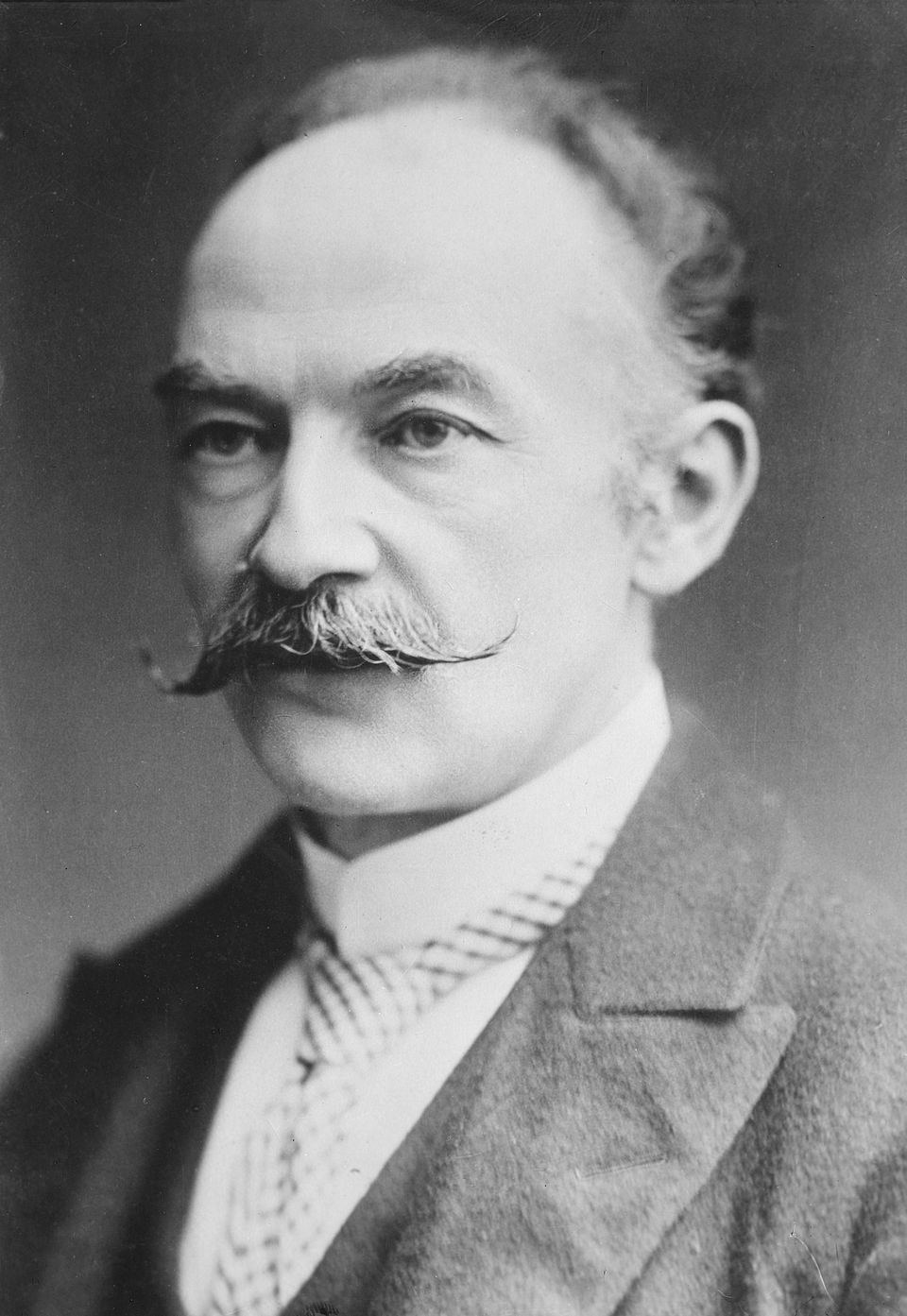
Thomas Hardy
1840 – 1928
English novelist and poet (1840–1928)
- United Kingdom
- British
- Naturalism
- Realism
About
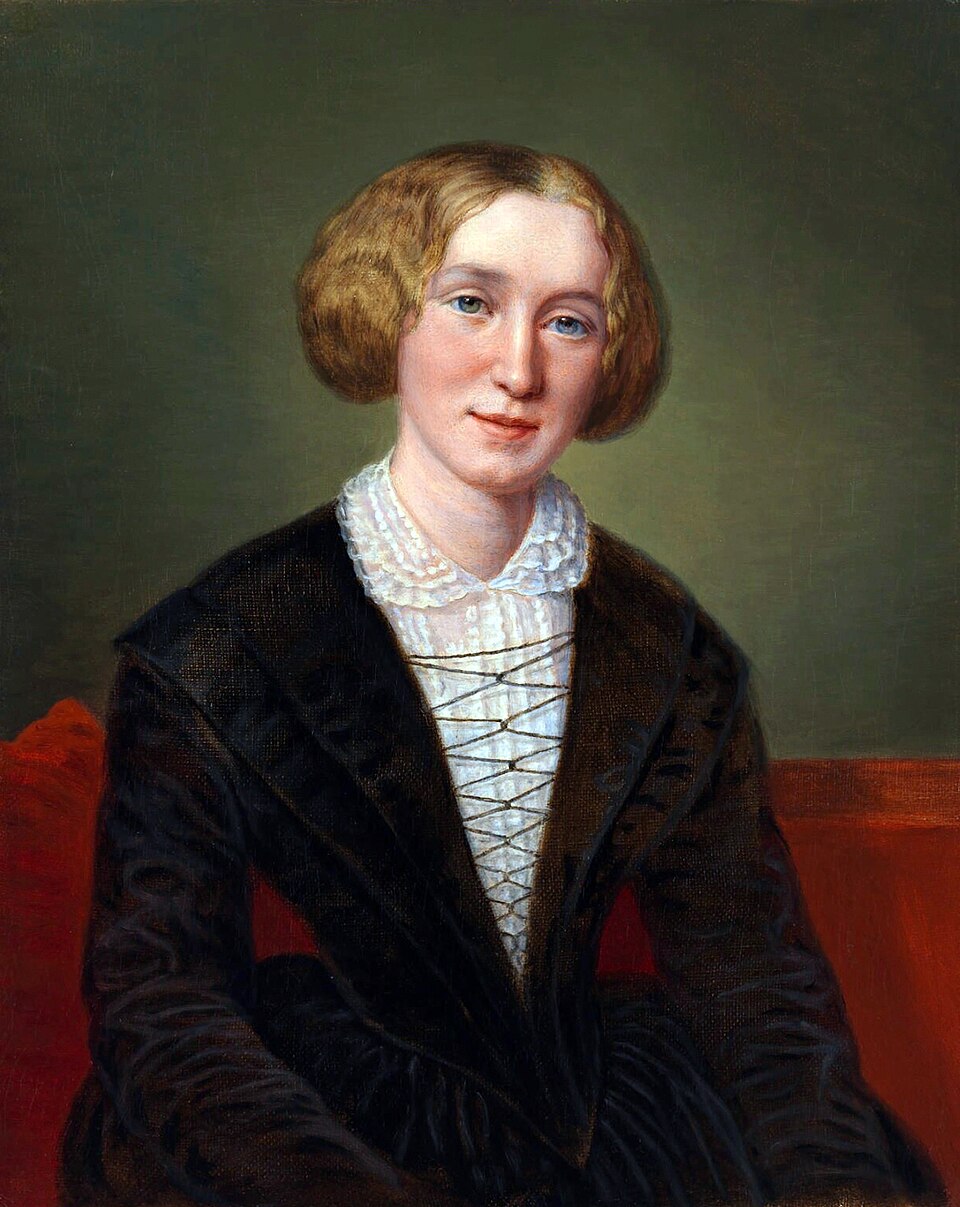
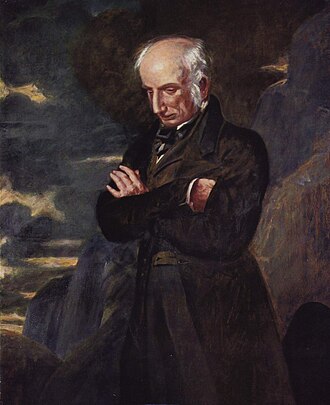
Thomas Hardy was an English novelist, poet and architect. A Victorian realist in the tradition of George Eliot, he was influenced both in his novels and in his poetry by Romanticism, including the poetry of William Wordsworth. He was highly critical of much in Victorian society, especially on the declining status of rural people in Britain such as those from his native South West England.
Source: Wikipedia (CC BY-SA). Portrait by Bain News Service, publisher (Public domain) via Wikimedia Commons.
Life on the Timeline
Major Works
Exam Dossier
Most-asked topics
- Wessex novels and the fictional topography of Wessex
- Tragic vision, fate and pessimism in Hardy's novels
- Tess of the d'Urbervilles: the 'pure woman' controversy
- Jude the Obscure and the hostile Victorian reception
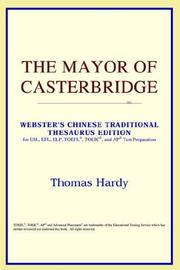
- The Mayor of Casterbridge as character-tragedy
- Hardy's poetry: Wessex Poems, Poems of 1912-13, The Dynasts
- Naturalism, determinism and the 'Immanent Will'
- Hardy and the decline of rural England / agricultural community
- Chronology of Hardy's major novels
- Hardy's transition from novelist to poet after 1895
Previous-year themes
- Identifying the correct chronological order of Hardy's novels (Far from the Madding Crowd, The Return of the Native, The Mayor of Casterbridge, Tess, Jude)
- Subtitles of Hardy's novels ('A Pure Woman Faithfully Presented'; 'The Life and Death of a Man of Character')
- Matching characters to novels (Henchard, Tess, Jude, Bathsheba, Eustacia)
- The closing sentence of Tess ('the President of the Immortals') and its Aeschylean allusion
- Real places behind Wessex names (Casterbridge = Dorchester, Christminster = Oxford)
- The Dynasts as an epic-drama of the Napoleonic Wars
- Hardy's abandonment of fiction after the reception of Jude the Obscure
- Sources of Hardy's titles (Gray's Elegy for Far from the Madding Crowd)
Common confusions
- The Return of the Native (Hardy, 1878) is often confused with Richard Wright's Native Son (1940) — entirely unrelated works.
- Tess's seducer is Alec d'Urberville; her husband who abandons her is Angel Clare — students frequently swap the two.
- In Jude the Obscure, Arabella Donn is Jude's coarse first wife; Sue Bridehead is his intellectual cousin and lover — do not reverse them.
- 'The Convergence of the Twain' (on the Titanic, 1912) is distinct from Poems of 1912-13 (elegies for his first wife Emma).
- The subtitle 'A Pure Woman Faithfully Presented' belongs to Tess; 'The Life and Death of a Man of Character' belongs to The Mayor of Casterbridge.
- Wessex Poems (1898) is a poetry collection, not a novel — and Hardy's Wessex is a fictionalized South-West England, not the historical Anglo-Saxon kingdom.
Memory tricks
Major novel dates climb by roughly a decade-and-a-bit: Madding 1874 → Native 1878 → Mayor 1886 → Tess 1891 → Jude 1895 ('M-N-M-T-J').
FROM = Far from the madding crowd's ignoble strife — the title's source is Gray's Elegy (both about humble rural lives).
HENCHARD sells his wife, so remember: 'Mayor = Market' — the wife-sale at the fair opens The Mayor of Casterbridge.
Tess's two men: Alec Attacks, Angel Abandons.
Jude 1895 = 'Jude the Obscene' jeers → Hardy quits novels → Wessex Poems 1898 (3 years later).
CDO for Wessex geography: Casterbridge = Dorchester, Christminster = Oxford.