Victorian
George Eliot
1819 – 1880
English novelist, essayist, poet and journalist (1819–1880)
- United Kingdom of Great Britain and Ireland
- British
- Realism
- literary-realism
About
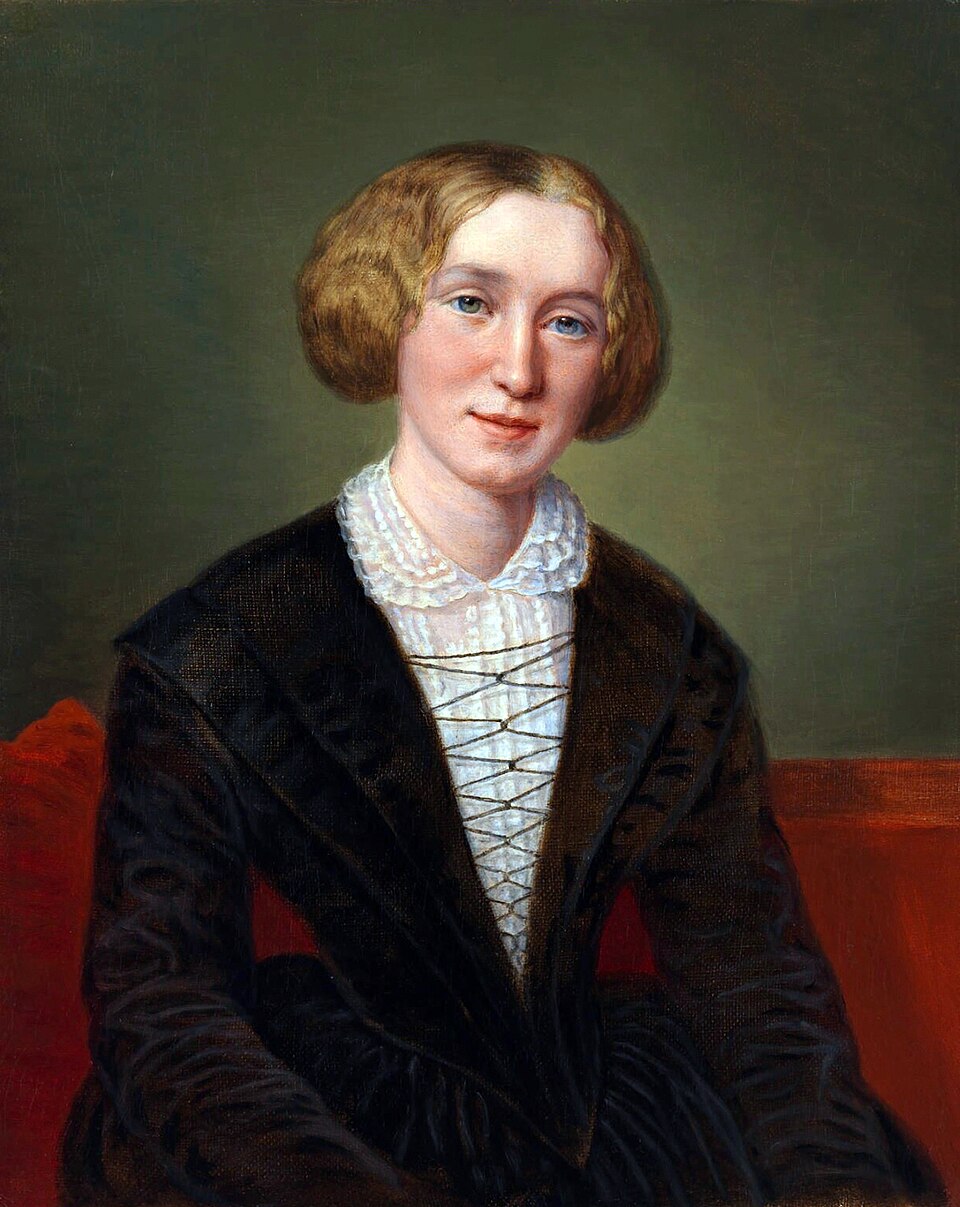
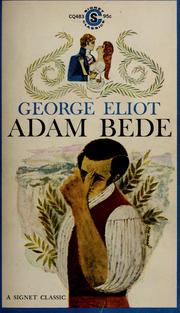
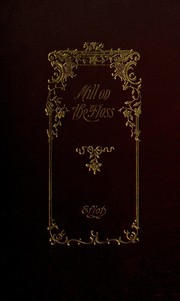
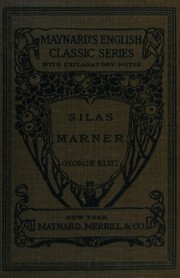
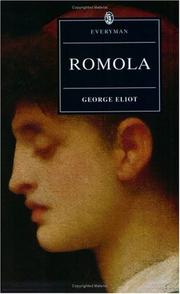
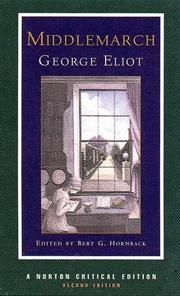
Mary Ann Evans, known by her pen name George Eliot, was an English novelist, poet, journalist, translator, and one of the leading writers of the Victorian era. She wrote seven novels: Adam Bede (1859), The Mill on the Floss (1860), Silas Marner (1861), Romola (1862–1863), Felix Holt, the Radical (1866), Middlemarch (1871–1872) and Daniel Deronda (1876). Her novels are known for their realism, psychological insight, sense of place, and detailed depiction of the countryside. Middlemarch was described by the novelist Virginia Woolf as "one of the few English novels written for grown-up people" and by Martin Amis and Julian Barnes as the greatest novel in the English language.
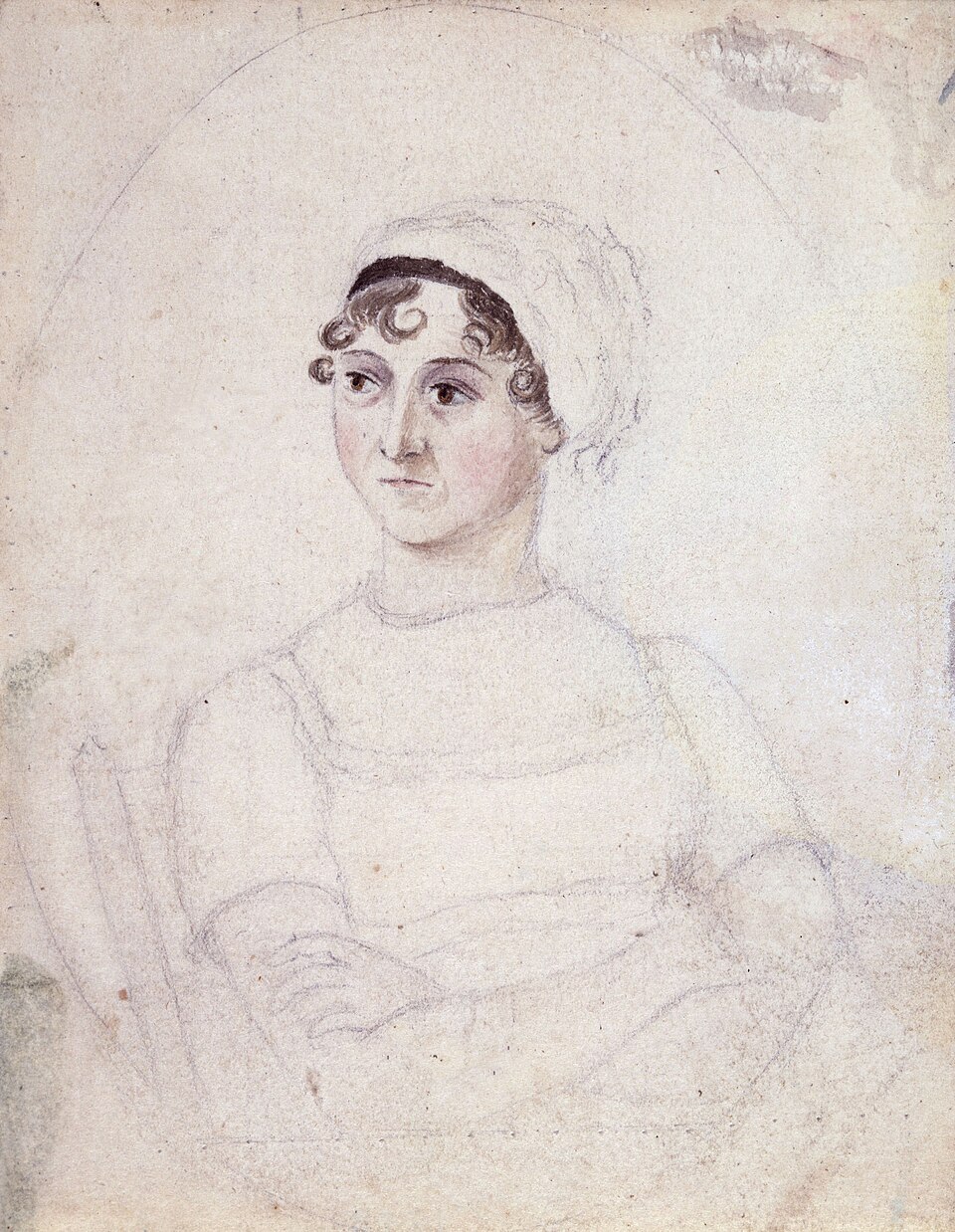
Source: Wikipedia (CC BY-SA). Portrait by replica by François D’Albert Durade (1804–1886) (Public domain) via Wikimedia Commons.
Life on the Timeline
Major Works
Exam Dossier
Most-asked topics
- Real name and pen name (Mary Ann Evans / George Eliot)
- Chronology of the seven novels (Adam Bede to Daniel Deronda)
- Middlemarch: subtitle, characters, structure, critical reception
- Victorian realism and psychological realism in her fiction
- Translations of Strauss and Feuerbach; Westminster Review editorship
- Characters and plot of The Mill on the Floss and Silas Marner
- Essay 'Silly Novels by Lady Novelists'
- F. R. Leavis's The Great Tradition and Eliot's place in it
- Daniel Deronda and its Jewish/proto-Zionist theme
- Relationship with G. H. Lewes and Victorian intellectual milieu
Previous-year themes
- Matching George Eliot's novels with their publication years
- Identifying characters (Dorothea, Maggie, Gwendolen, Hetty, Eppie) with their novels
- Subtitle of Middlemarch and its setting around the 1832 Reform Bill
- Eliot as translator of Strauss's Life of Jesus and Feuerbach's Essence of Christianity
- Critical estimates of Middlemarch (Virginia Woolf, F. R. Leavis)
- Reasons for adopting a male pseudonym; 'Silly Novels by Lady Novelists'
- Realism and the 'Dutch painting' analogy in Adam Bede chapter 17
- Placing Eliot among Victorian novelists in chronological-order questions
Common confusions
- George Eliot (Mary Ann Evans, English novelist) vs George Sand (Amantine Dupin, French novelist) — both women using male pseudonyms; also do not confuse with T. S. Eliot.
- Subtitles: Middlemarch = 'A Study of Provincial Life'; Silas Marner = 'The Weaver of Raveloe' — often swapped in options.
- Scenes of Clerical Life (1857-58) is her first published fiction, but Adam Bede (1859) is her first novel.
- Dinah Morris (Methodist preacher in Adam Bede) vs Dorothea Brooke (Middlemarch) — both idealistic heroines beginning with D.
- Romola (historical, Florence, Savonarola) vs Felix Holt, the Radical (English politics, Reform era) — students mix the settings.
- Middlemarch was serialized in eight parts in 1871-72, so papers cite it as 1871, 1872 or 1871-72; Romola similarly appears as 1862 or 1862-63.
Memory tricks
Novel order mnemonic: 'A Mill Spins; Rome Fell; Middle Denies' = Adam Bede, Mill on the Floss, Silas Marner, Romola, Felix Holt, Middlemarch, Daniel Deronda.
Early trio comes in consecutive years: Adam Bede 1859, Mill 1860, Silas 1861 — '59-60-61'.
Great Tradition = 'A-E-J-C': Austen, Eliot, James, Conrad (Leavis, 1948).
Translations: S before F — Strauss (1846) before Feuerbach (1854); 'Life' before 'Essence'.
GWEN-DERONDA: Gwendolen belongs to Daniel Deronda, not Middlemarch; DORO-MARCH: Dorothea marches through Middlemarch.
CASAUBON = 'Key' man: remember his dead-end project, the 'Key to All Mythologies'.