Victorian
Charles Dickens
1812 – 1870
English novelist and social critic (1812–1870)
- United Kingdom of Great Britain and Ireland · United Kingdom
- British
- Realism
- literary-realism
About
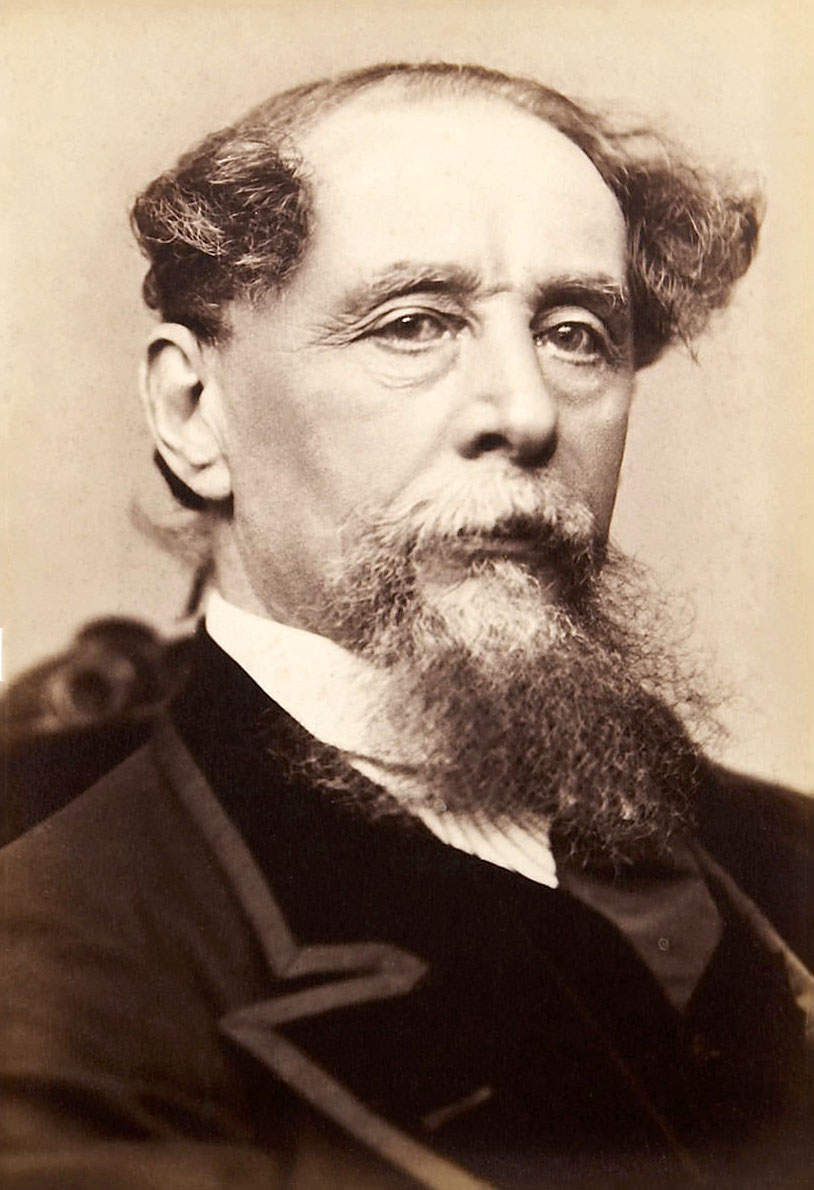
Charles John Huffam Dickens was an English writer and journalist. He created some of literature's best-known fictional characters, and is regarded by many as the greatest novelist of the Victorian era. His works enjoyed unprecedented popularity during his lifetime and, by the 20th century, critics and scholars had recognised him as a literary genius. His novels and short stories are widely read today.
Source: Wikipedia (CC BY-SA). Portrait by Jeremiah Gurney (Public domain) via Wikimedia Commons.
Life on the Timeline
Major Works
Exam Dossier
Most-asked topics
- Serial publication and the Victorian novel market
- Social criticism: workhouses, Poor Law, Utilitarianism, industrialism
- Bildungsroman: Oliver Twist, David Copperfield, Great Expectations
- Opening and closing lines of Dickens's novels
- Autobiographical elements (blacking factory, David Copperfield)
- London as character: fog, prisons, the Thames
- Chronology of the fifteen novels
- Characters and their novels (Micawber, Pecksniff, Gradgrind, Miss Havisham)
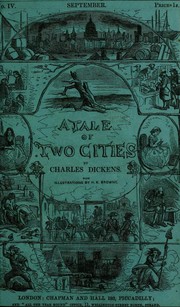
- Dickens and the French Revolution: A Tale of Two Cities and Carlyle
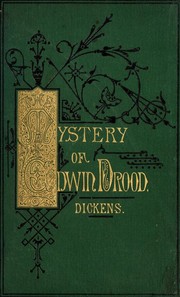
- The unfinished Edwin Drood and endings revised (Great Expectations)
Previous-year themes
- Matching Dickens's novels with their publication years
- Identifying novels from famous opening lines
- Matching characters to the novels they appear in
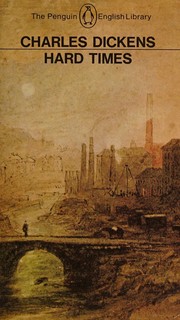
- Hard Times as a critique of Utilitarianism and its dedication to Carlyle
- The two endings of Great Expectations and Bulwer-Lytton's advice
- Dickens's periodicals: Household Words and All the Year Round
- The unfinished novel The Mystery of Edwin Drood
- Autobiographical basis of David Copperfield
Common confusions
- Great Expectations vs David Copperfield: both first-person Bildungsromans — Pip narrates Great Expectations (1861), David narrates David Copperfield (1850).
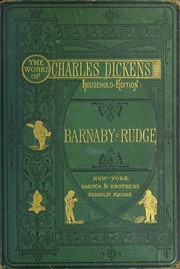
- Dickens's two historical novels are Barnaby Rudge (Gordon Riots, 1780) and A Tale of Two Cities (French Revolution) — students often assign the Gordon Riots to the wrong book.
- Household Words (1850) and All the Year Round (1859) are Dickens's own weekly periodicals — Hard Times appeared in the former, A Tale of Two Cities and Great Expectations in the latter.
- The Old Curiosity Shop features Little Nell; Little Dorrit features Amy Dorrit — 'Little' in the title causes swaps.
- Oliver Twist attacks the workhouse/New Poor Law; Nicholas Nickleby attacks Yorkshire schools (Dotheboys Hall, Wackford Squeers) — the targets are often confused.
- 'Boz' was Dickens's early pen name (Sketches by Boz, Pickwick illustrations were by Seymour then 'Phiz' — Hablot K. Browne); do not confuse Boz (author) with Phiz (illustrator).
Memory tricks
First and last: P to D — he begins with Pickwick (1836) and ends with Drood (1870, unfinished).
PONO-B: Pickwick, Oliver, Nickleby, Old Curiosity Shop, Barnaby — the five early novels of 1836–41 in order.
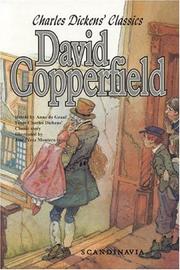
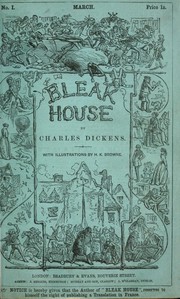
1850s run: 'DBHL-T' — David Copperfield (1850), Bleak House (1853), Hard Times (1854), Little Dorrit (1857), Tale of Two Cities (1859).
GOD of endings: Great Expectations, Our Mutual Friend, Drood — the last three novels of the 1860s.
Hard Times = Hard Facts: Gradgrind grinds children with Facts; Bounderby is the bounder of Coketown.
Two Cities, two men, one woman: Carton and Darnay look alike, both love Lucie — Carton dies, 'a far, far better thing'.