Romantic
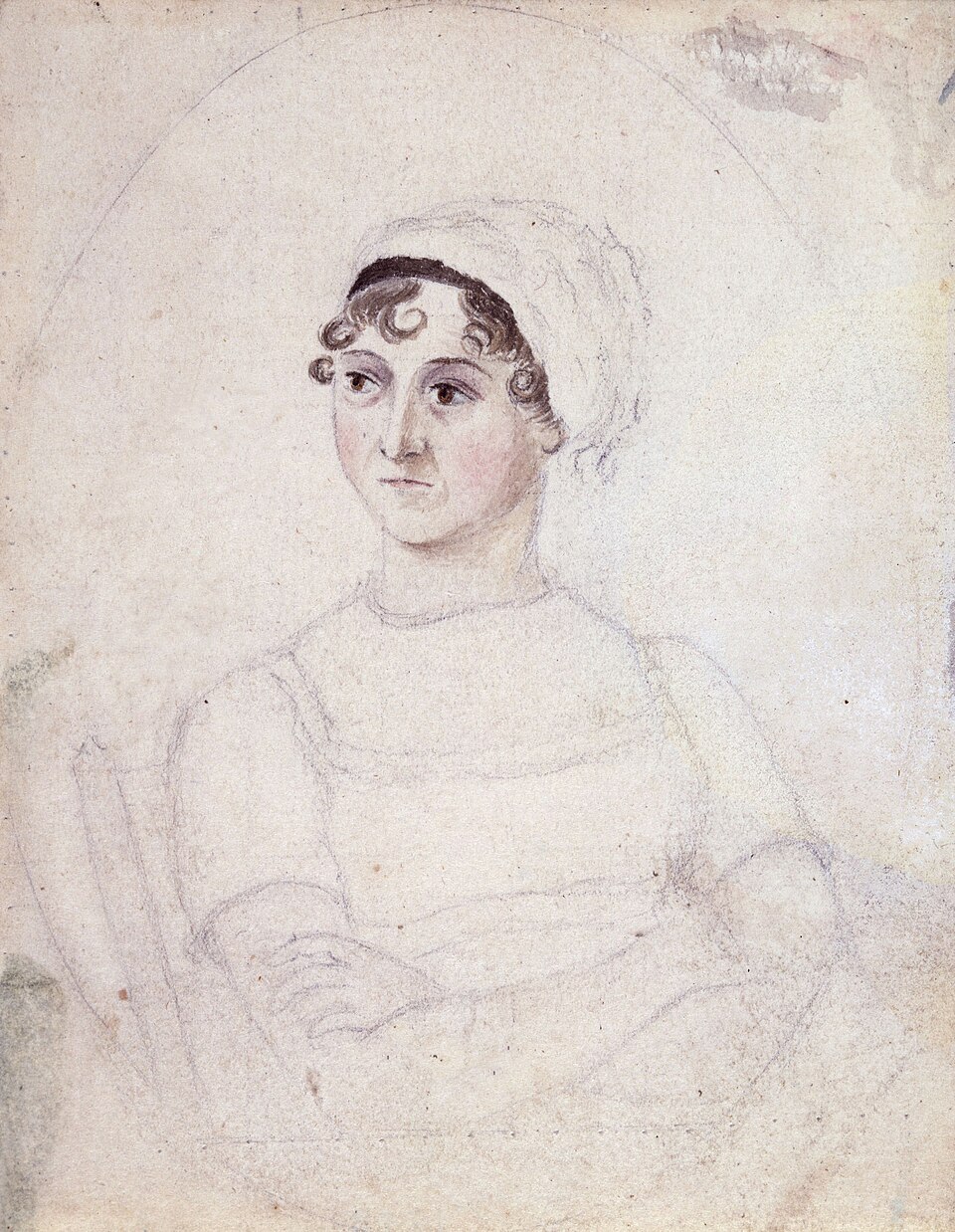
Jane Austen
1775 – 1817
English novelist (1775–1817)
- United Kingdom of Great Britain and Ireland
- British
- literary realism
About
Jane Austen was an English writer known primarily for her six novels, which implicitly interpret, critique, and comment on the English landed gentry at the end of the 18th century.
Source: Wikipedia (CC BY-SA). Portrait by Cassandra Austen (Public domain) via Wikimedia Commons.
Life on the Timeline
Major Works
Exam Dossier
Most-asked topics
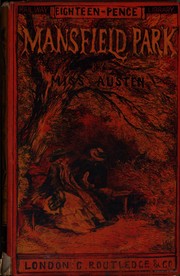
- Novel of manners and the six-novel canon with publication years
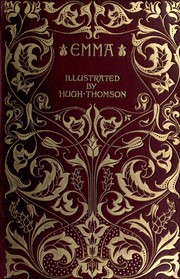
- Openings and famous first lines (Pride and Prejudice, Emma)
- Original titles and composition history (First Impressions, Elinor and Marianne, Susan)
- Free indirect discourse as Austen's narrative technique
- Irony and satire of the landed gentry
- Heroines and hero/villain identification across novels
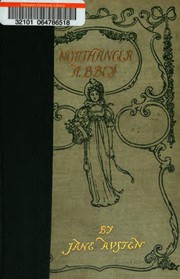
- Northanger Abbey as parody of the Gothic novel
- Posthumous publication of Northanger Abbey and Persuasion
- Critical reception: Walter Scott, Charlotte Bronte, D.W. Harding, F.R. Leavis
- Feminist and historicist readings (Gilbert-Gubar, Marilyn Butler, Edward Said on Mansfield Park)
Previous-year themes
- Matching Austen's novels with their publication years and original titles
- Identifying heroines and characters with their respective novels
- The famous opening sentence of Pride and Prejudice
- Northanger Abbey's parody of Ann Radcliffe and the Gothic romance
- Critical remarks on Austen (Scott's 'Big Bow-wow', Bronte's 'carefully fenced garden', Harding's 'regulated hatred')
- Austen's 'two inches of ivory' description of her art
- F.R. Leavis's placement of Austen at the head of 'The Great Tradition'
- Postcolonial reading of Mansfield Park in Said's Culture and Imperialism
Common confusions
- Northanger Abbey was among the first novels written (sold to a publisher as 'Susan' in 1803) but the last published (posthumously, 1818) — order of composition is not order of publication.
- Original titles: First Impressions became Pride and Prejudice; Elinor and Marianne (epistolary draft) became Sense and Sensibility; Susan became Northanger Abbey.
- In Sense and Sensibility, Elinor embodies 'sense' (restraint) and Marianne 'sensibility' (feeling) — students routinely reverse them.
- The three W-men: Willoughby (Sense and Sensibility), Wickham (Pride and Prejudice) — both charming deceivers — versus Wentworth (Persuasion), the worthy naval hero.
- Fanny Price is the heroine of Mansfield Park; Fanny Dashwood is the mean-spirited sister-in-law in Sense and Sensibility.
- Persuasion (1817) and Northanger Abbey (1818) are the posthumous pair; Emma (1815) was the last novel published in Austen's lifetime.
Memory tricks
Publication order mnemonic: 'Silly People Make Excellent Party Neighbours' = Sense, Pride, Mansfield, Emma, Persuasion, Northanger (1811, 1813, 1814, 1815, 1817, 1818).
Odd years all: 1811-13-15-17 for S&S, P&P, Emma, Persuasion; the two even years 1814 and 1818 belong to Mansfield Park and Northanger Abbey.
Heroine initials pair with novels: E.B. (Elizabeth Bennet) in P&P, A.E. (Anne Elliot) in Persuasion, C.M. (Catherine Morland) in Northanger, F.P. (Fanny Price) in Mansfield Park — 'FP in MP'.
The bad Ws come first, the good W last: Willoughby, Wickham (villains, early novels) → Wentworth (hero, final novel).
Elinor = sEnse (reason); Marianne = eMotion/sensibility.
'Ivory miniature' = Austen's art: two inches of ivory, fine brush, 3 or 4 families in a country village.