Augustan
Henry Fielding
1707 – 1754
English novelist and dramatist (1707–1754)
- Kingdom of Great Britain · United Kingdom
- British
About
Henry Fielding was an English writer and judge known for the use of humour and satire in his works. His famous novels include Shamela (1741), Joseph Andrews (1742), The History of Tom Jones, a Foundling (1749) and Amelia (1751). Along with Samuel Richardson, Fielding is seen as the founder of the traditional English novel. As well as being a novelist, Fielding was also a playwright, known for his satirical comedies The Author's Farce (1730), Tom Thumb (1730), The Letter Writers (1731) and The Tragedy of Tragedies (1731). He also played an important role in the history of law enforcement in the United Kingdom, using his authority as a magistrate to found the Bow Street Runners, London's first professional police force.
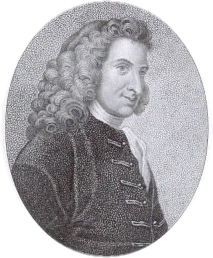
Source: Wikipedia (CC BY-SA). Portrait by Doug Coldwell (Public domain) via Wikimedia Commons.
Life on the Timeline
Major Works
No works have been hung in this gallery yet — the acquisitions team is at work.
Exam Dossier
Most-asked topics
- The rise of the English novel and Fielding's place beside Richardson
- Shamela (1741) as parody of Richardson's Pamela
- Joseph Andrews (1742) and its preface theory of the 'comic epic in prose'
- Tom Jones (1749) — structure, narrator, plot, characters
- Fielding's dramatic career and the Licensing Act of 1737
- Fielding as magistrate and founder of the Bow Street Runners
- Amelia (1751) and Fielding's late fiction
- Fielding's narrative technique: the intrusive/omniscient narrator
Previous-year themes
- Fielding's theory of the novel as 'comic epic-poem in prose' (Preface to Joseph Andrews)
- Comparison of Fielding and Richardson as founders of the English novel
- Shamela as burlesque/parody of Pamela
- Fielding's narrative technique and authorial intrusion in Tom Jones
- Fielding's career as playwright and satirist before the Licensing Act
- Fielding's role in law enforcement history (Bow Street Runners)
- Matching Fielding's works with their years of publication
Common confusions
- Confusing Fielding's Shamela with Richardson's Pamela — Shamela is Fielding's parody, not Richardson's original.
- Mixing up Joseph Andrews and Tom Jones as to which came first (Joseph Andrews, 1742, precedes Tom Jones, 1749).
- Attributing the term 'comic epic-poem in prose' to Richardson or another novelist instead of Fielding.
- Confusing Fielding the novelist with Fielding the magistrate as separate persons, rather than recognizing both roles in one man.
- Mistaking Amelia (1751) for an earlier work rather than Fielding's last major novel.
- Confusing the Bow Street Runners (founded by Fielding) with Scotland Yard (a later, separate institution).
Memory tricks
S-J-T-A: Shamela, Joseph Andrews, Tom Jones, Amelia — the chronological order of Fielding's four major novels (1741, 1742, 1749, 1751).
'Shamela shames Pamela' — remember Shamela is a parody attacking the false virtue of Richardson's Pamela.
'Comic epic in prose' = Fielding's own label for his fiction, given in the Preface to Joseph Andrews.
'Bow Street began with a magistrate' — link Fielding's judicial role directly to the founding of the Bow Street Runners.
1737 Licensing Act 'silenced' Fielding the playwright and 'birthed' Fielding the novelist.
Richardson writes letters (epistolary), Fielding tells stories (omniscient narrator) — contrast their techniques to avoid confusing the two founders of the novel.