Modernism
E. M. Forster
1879 – 1970
English novelist (1879-1970)
- United Kingdom · United Kingdom of Great Britain and Ireland
- British
- Bloomsbury Group
- bloomsbury-group
- Literary Theory
About
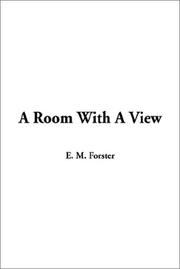
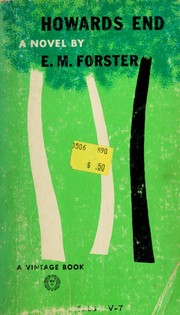
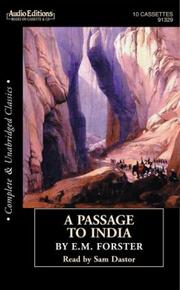
Edward Morgan Forster was an English author. He is best known for his novels, particularly A Room with a View (1908), Howards End (1910) and A Passage to India (1924). He also wrote numerous short stories, essays, speeches and broadcasts, as well as biographies and pageant plays. His short story "The Machine Stops" (1909) is often viewed as the beginning of technological dystopian fiction. He also co-authored the libretto to Benjamin Britten's opera Billy Budd (1951). Many of his novels examine class differences and hypocrisy. His views as a humanist are at the heart of his work.
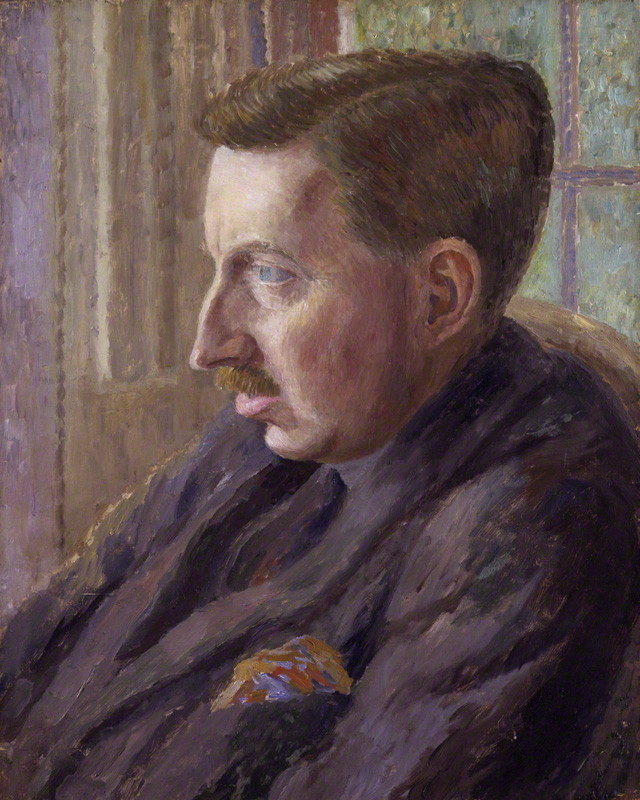
Source: Wikipedia (CC BY-SA). Portrait by Dora Carrington (1893–1932) (Public domain) via Wikimedia Commons.
Life on the Timeline
Major Works

Exam Dossier
Most-asked topics
- Humanism and liberal-humanist values in Forster's fiction
- "Only connect" and the theme of connection in Howards End
- Class conflict: Schlegels, Wilcoxes, and Basts in Howards End
- Colonial encounter and the Marabar Caves episode in A Passage to India
- Flat vs round characters and other concepts from Aspects of the Novel
- Forster and the Bloomsbury Group
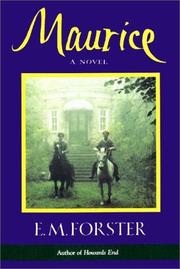
- Suppressed homosexual theme in Maurice
- Symbolism of place: Howards End (house), Italy, and the Marabar Caves
- Forster's short fiction and "The Machine Stops" as early dystopian/science fiction
Previous-year themes
- Forster's theory of the novel in Aspects of the Novel (flat/round characters, story vs plot, rhythm, prophecy)
- Howards End as a state-of-England / condition-of-England novel and the meaning of "Only connect"
- A Passage to India: colonialism, race, and the (im)possibility of friendship between Aziz and Fielding
- Forster's association with Bloomsbury and modernist experimentation vs Edwardian realism
- Symbolic and mystical elements in A Passage to India (the Marabar Caves, the echo)
- Sexuality, silence, and posthumous publication in Maurice
- Forster's humanism and liberal individualism ("What I Believe")
Common confusions
- Confusing Howards End (the house/novel) with Home and the Wilcox family estate's symbolism versus the Schlegels' London flat
- Mixing up A Room with a View (Italy/Florence, Lucy Honeychurch) with Where Angels Fear to Tread (Italy/Monteriano, Lilia and Philip Herriton) since both are set partly in Italy
- Confusing Forster's "flat" and "round" characters with E. M. W. Tillyard's or other critics' unrelated terminology
- Assuming Maurice was published during Forster's lifetime, when it appeared posthumously in 1971
- Confusing Dr. Aziz's friend Cyril Fielding (A Passage to India) with the novelist Henry Fielding
- Mixing up the chronological order of Forster's early novels (Where Angels Fear to Tread, The Longest Journey, A Room with a View) as all were published within a few years of each other
Memory tricks
"WATLARHP" order: Where Angels (1905) - The Longest Journey (1907) - A Room with a view (1908) - Howards End (1910) - Passage to India (1924)
"Only Connect" = Only Howards End (remember the epigraph belongs to Howards End, not any other novel)
Round like a ball that can surprise you by rolling anywhere; Flat like a card, always the same face
"M for Maurice, M for Much later" - Maurice was Much later published (1971) than written (c.1913-14)
Marabar Caves = Mystery/Muddle in A Passage to India - the "M" sound links cave, mystery, and muddle
Bloomsbury = Big Ideas, Forster belonged to this London intellectual set alongside Virginia Woolf