Victorian
Joseph Conrad
1857 – 1924
Polish-British writer (1857–1924)
- Russian Empire · United Kingdom of Great Britain and Ireland · United Kingdom · Second Polish Republic · Poland · Ukraine
- British
- Modernism
- Literary Impressionism
- modernist-literature
About
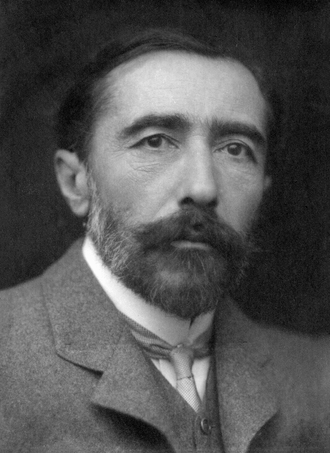
Joseph Conrad was a Polish-British novelist and story writer. He is regarded as one of the greatest writers in the English language and – though he did not speak English fluently until his twenties – he became a master prose stylist who brought a non-English sensibility into English literature.
Source: Wikipedia (CC BY-SA). Portrait by George Charles Beresford (Public domain) via Wikimedia Commons.
Life on the Timeline
Major Works
Exam Dossier
Most-asked topics
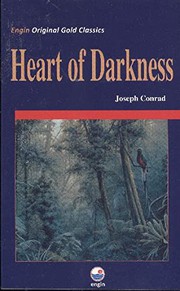
- Heart of Darkness: Marlow, Kurtz and the critique of imperialism
- Narrative technique: frame narration, Marlow as intermediary narrator, delayed decoding
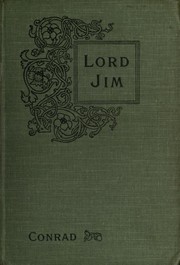
- Lord Jim: the Patna episode, guilt, honour and the romantic ego
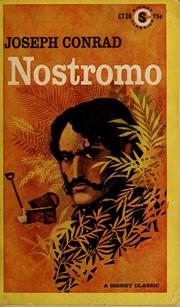
- Nostromo: material interests, silver of the San Tome mine, Costaguana politics
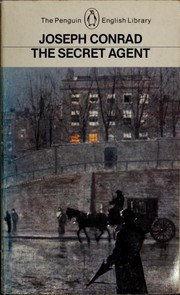
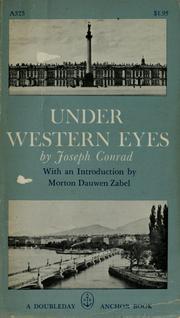
- Political novels: The Secret Agent and Under Western Eyes
- Chinua Achebe's 'An Image of Africa' and the racism debate
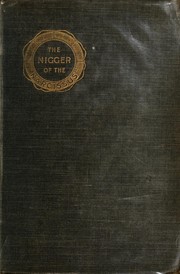
- Conrad and literary impressionism; the Preface to The Nigger of the 'Narcissus'
- Conrad in F. R. Leavis's The Great Tradition
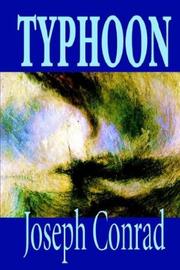
- Sea fiction and the Merchant Marine background (Typhoon, The Secret Sharer)
- Conrad as a transitional figure between Victorian fiction and Modernism
Previous-year themes
- Identification of Marlow-narrated works (Heart of Darkness, Lord Jim, Chance, 'Youth')
- Chronological ordering of Conrad's major novels
- Kurtz's dying words and other famous lines from Heart of Darkness
- Achebe's postcolonial attack on Heart of Darkness
- The novelists included in Leavis's The Great Tradition
- Character-work matching (Razumov, Verloc, Nostromo, MacWhirr)
- Conrad's artistic credo in the Preface to The Nigger of the 'Narcissus'
- The Greenwich Observatory bomb plot in The Secret Agent
Common confusions
- The Secret Agent (1907 London anarchist novel; Verloc, Stevie) vs The Secret Sharer (short sea story; young captain and the fugitive Leggatt) — students routinely swap them.
- Nostromo is the Italian sailor Gian' Battista Fidanza, the 'incorruptible' Capataz de Cargadores — he does NOT own the silver mine; the mine belongs to Charles Gould.
- Heart of Darkness was serialised in Blackwood's Magazine in 1899 but appeared in book form in the 1902 volume Youth: A Narrative; and Two Other Stories — two dates circulate.
- Marlow is a dramatised narrator, not Conrad himself; conflating Marlow's views with Conrad's flattens the novella's irony (central to the Achebe debate).
- Under Western Eyes (Russia/Geneva, Razumov, revolutionaries) is often confused with The Secret Agent (London, anarchists) — both are political novels but different plots and settings.
- Lord Jim's two halves are mixed up: the Patna desertion (guilt) comes first; the Patusan episode (redemption and death via Gentleman Brown) comes second.
Memory tricks
Chronology mnemonic 'Heavy Lorries Transport New Steel Underground': Heart of Darkness (1899), Lord Jim (1900), Typhoon (1902), Nostromo (1904), The Secret Agent (1907), Under Western Eyes (1911).
MARLOW's four: 'Yes He Loves Chance' — Youth, Heart of Darkness, Lord Jim, Chance are the Marlow narratives.
SECRET test: Secret AGENT = Anarchists in London; Secret SHARER = Ship and Stowaway-double.
GOULD owns the GOLD (actually silver) — Charles Gould owns the San Tome mine in Nostromo; Nostromo only guards the silver.
Leavis's Great Tradition = 'A JEweled Crown': Austen, James, Eliot (George), Conrad.
Conrad = 'Polish seaman writing English': born Korzeniowski 1857 in the Russian Empire (Berdychiv, now Ukraine), 20 years at sea, English his third language after Polish and French.