Postmodern
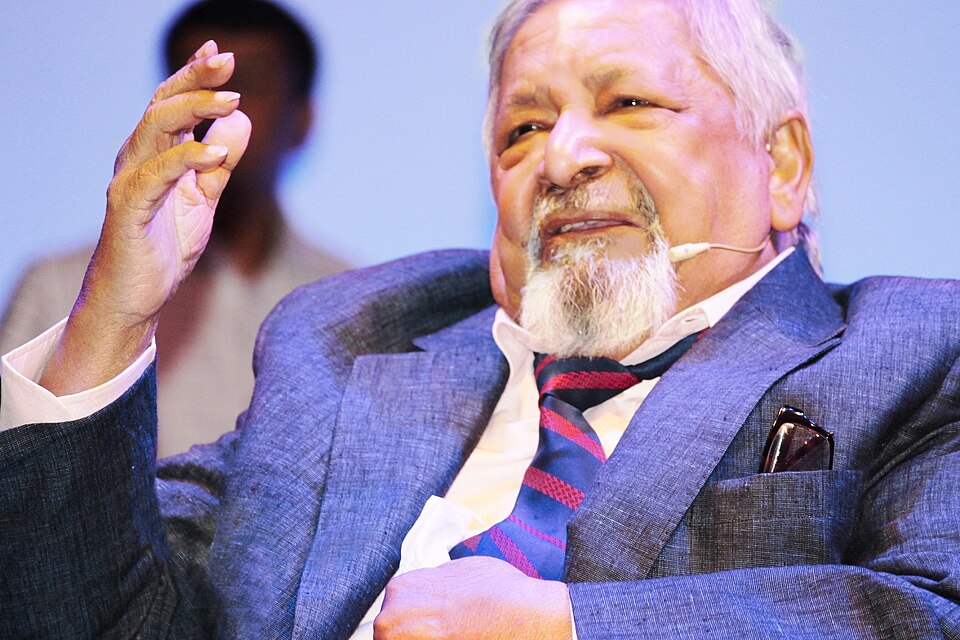
V. S. Naipaul
1932 – 2018
Trinidadian-British writer (1932–2018)
- Trinidad and Tobago · United Kingdom
- Caribbean
- Postcolonial Literature
- ◆ Nobel 2001
About
Sir Vidiadhar Surajprasad Naipaul was a Trinidad and Tobago-born British writer renowned for his works of fiction and nonfiction in English. He is known for his comic early novels set in Trinidad, his bleaker novels of alienation in the wider world, and his vigilant chronicles of life and travels. He wrote in prose that was widely admired, but his views sometimes aroused controversy. He published more than thirty books over fifty years.
Source: Wikipedia (CC BY-SA). Portrait by Faizul Latif Chowdhury (CC BY-SA 4.0) via Wikimedia Commons.
Life on the Timeline
Major Works
Exam Dossier
Most-asked topics
- Postcolonial identity and displacement in Naipaul's fiction
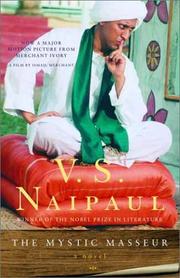
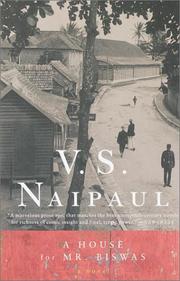
- The comic Trinidad novels (Miguel Street, The Mystic Masseur, A House for Mr Biswas)
- A House for Mr Biswas as a quest for identity and possession
- The theme of exile, homelessness, and the 'half-made society'
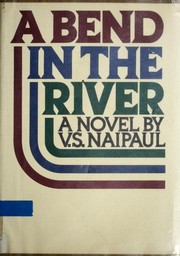
- A Bend in the River and post-independence Africa
- Naipaul's travel writing and non-fiction (An Area of Darkness, India trilogy)
- Controversy over Naipaul's views on postcolonial societies and Islam
- Naipaul's Nobel Prize in Literature (2001) and place in world literature
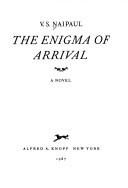
- Autobiographical fiction: The Enigma of Arrival
- Naipaul in the context of Caribbean and diaspora writing
Previous-year themes
- Naipaul's treatment of colonial/postcolonial dislocation and mimicry
- A House for Mr Biswas as Naipaul's major novel — themes of house, identity, and freedom
- Naipaul as a chronicler of the 'Third World' and the criticism this drew
- Naipaul's association with postcolonial and diaspora literary traditions
- The recurring theme of exile and rootlessness across Naipaul's oeuvre
- Naipaul's non-fiction/travel writing as a genre contribution
- Naipaul's Nobel Prize citation and significance for Caribbean literature
Common confusions
- Confusing The Mystic Masseur (1957, Naipaul's debut) with A House for Mr Biswas (1961, his major novel) — both comic Trinidad novels but different in scale and ambition.
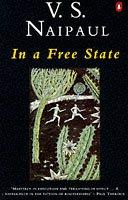
- Mixing up A Bend in the River (set in post-independence Africa) with In a Free State (a collection/novel also dealing with dislocation but in a different setting).
- Assuming Naipaul is Indian-born rather than born in Trinidad and Tobago to a family of Indian indentured-labourer descent.
- Confusing Naipaul's Nobel Prize year (2001) with his Booker Prize year for In a Free State (1971).
- Treating The Enigma of Arrival as pure autobiography rather than a largely autobiographical novel.
- Confusing Naipaul with other Caribbean/postcolonial Nobel laureates such as Derek Walcott (poet, St Lucia) — Naipaul is a prose fiction and travel writer from Trinidad.
Memory tricks
'Biswas builds a house' — remember A House for Mr Biswas (1961) is about the quest to own a home and thus an identity.
'MMs before Biswas' — The Mystic Masseur (1957) came before A House for Mr Biswas (1961), both early comic Trinidad works.
'Free in '71, Bend by '79' — In a Free State won the Booker in 1971; A Bend in the River followed in 1979.
'Enigma in England' — The Enigma of Arrival (1987) is set in rural England, unlike Naipaul's earlier Trinidad/Africa settings.
'2001: A Nobel Odyssey' — Naipaul won the Nobel Prize in Literature in 2001.
Naipaul = Trinidad-born, Indian-descent, British — three layers of identity mirrored in his postcolonial themes.