Postmodern
Salman Rushdie
b. 1947
Indian-born British-American novelist (born 1947)
- United Kingdom · United States · India
- Indian Writing in English
- Postmodernism
- Magic Realism
- Postcolonial Literature
- historical-criticism
About
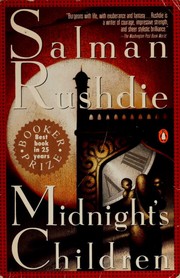
Sir Ahmed Salman Rushdie is an Indian-born British and American novelist. His work often combines magical realism with historical fiction and primarily deals with connections, disruptions, and migrations between Eastern and Western civilizations, typically set on the Indian subcontinent. Rushdie's second novel, Midnight's Children (1981), won the Booker Prize in 1981 and was deemed to be "the best novel of all winners" on two occasions that marked the 25th and the 40th anniversary of the prize.
Source: Wikipedia (CC BY-SA). Portrait by Elena Ternovaja (CC BY-SA 3.0) via Wikimedia Commons.
Life on the Timeline
Major Works
Exam Dossier
Most-asked topics
- Midnight's Children and the Booker Prize/Booker of Bookers
- Magic realism as a narrative technique in Rushdie's fiction
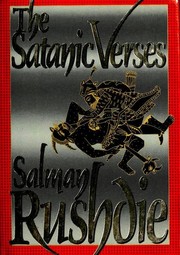
- The Satanic Verses controversy and the fatwa (the 'Rushdie affair')
- Postcolonial themes: nation, migration, hybridity, East-West encounter
- Narrative technique: unreliable narration, historiographic metafiction, allegory
- Shame as political satire of Pakistan
- Rushdie's essays and nonfiction (Imaginary Homelands, Joseph Anton)
- Rushdie's place among Indian English/postcolonial novelists
Previous-year themes
- Rushdie as a pioneer of postcolonial magic realism in Indian English fiction
- Midnight's Children as historiographic metafiction / allegory of the Indian nation
- The narrator-protagonist device (Saleem Sinai) and unreliable narration
- The Satanic Verses and the concept of blasphemy/freedom of expression in literature
- Migration, diaspora and cultural hybridity in Rushdie's fiction
- Comparison of Rushdie with other Indian English novelists (Narayan, Anand, Roy, Ghosh)
- Rushdie's contribution to the 'nation and narration' debate in postcolonial theory
Common confusions
- Confusing Midnight's Children (India's independence, 1947, Saleem Sinai) with The Satanic Verses (1988 novel that triggered the fatwa) — they are separate novels with different subjects.
- Confusing the 'Booker of Bookers' (1993, 25th anniversary) with the 'Best of the Booker' (2008, 40th anniversary) — both were awarded to Midnight's Children but are two distinct prizes given at different times.
- Confusing the setting of Shame (a fictionalized Pakistan) with the setting of Midnight's Children (India).
- Treating 'Joseph Anton' as a fictional character rather than the real-life pseudonym Rushdie used during his years in hiding (also the title of his 2012 memoir).
- Conflating Rushdie's magic realism with Gabriel García Márquez's Latin American magic realism — Rushdie adapts the mode to South Asian postcolonial history, not the same tradition.
- Mistaking Haroun and the Sea of Stories for an adult postcolonial novel — it is a children's/fantasy allegory written for Rushdie's son Zafar.
Memory tricks
Midnight's Children born at midnight, 15 August 1947 — the same year of Indian independence and of Rushdie's own birth.
Joseph Anton = Joseph (Conrad) + Anton (Chekhov) — Rushdie's own alias during the fatwa years.
'Booker of Bookers' (25th anniversary, 1993) comes before 'Best of the Booker' (40th anniversary, 2008) — both won by Midnight's Children.
Shame = the shame of Pakistan, not India — remember 'Shame' and 'Pakistan' both start with sibilant/plosive tension sounds tied to political satire.
Satanic Verses → Satan → scandal/fatwa — the title itself hints at the controversy it caused.