
Postmodern
Amitav Ghosh
b. 1956
Indian writer
- India
- Indian Writing in English
- Postcolonial Literature
About
Amitav Ghosh is an American writer. He won the 54th Jnanpith award in 2018, India's highest literary honour. Ghosh's ambitious novels use complex narrative strategies to probe the nature of national and personal identity, particularly of the people of India and South Asia. He has written historical fiction and non-fiction works discussing topics such as colonialism and climate change.
Source: Wikipedia (CC BY-SA). Portrait by Gage Skidmore from Peoria, AZ, United States of America (CC BY-SA 2.0) via Wikimedia Commons.
Life on the Timeline
Major Works


Exam Dossier
Most-asked topics
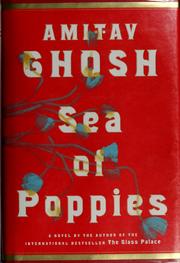
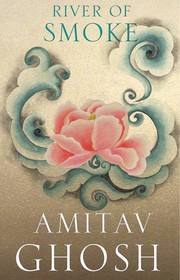
- The Ibis Trilogy (Sea of Poppies, River of Smoke, Flood of Fire) and the opium trade
- The Shadow Lines: nationalism, borders and memory
- Postcolonial historiography and hybrid history-fiction narrative
- Migration, diaspora and displacement in Ghosh's fiction
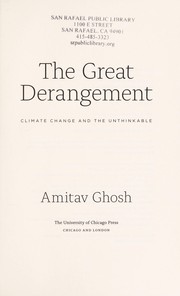
- The Great Derangement and climate change/environmental humanities
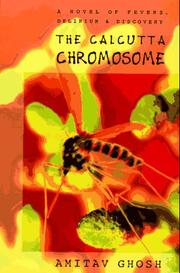
- The Calcutta Chromosome as science fiction/postcolonial thriller
- Ghosh's rejection of the Commonwealth Writers' Prize (2001)
- Jnanpith Award (2018) and Ghosh's place in Indian English literature
Previous-year themes
- Construction of national/personal identity and borders in The Shadow Lines
- Colonial history, opium trade and indentured labour in the Ibis Trilogy
- Genre hybridity: history, anthropology and fiction in Ghosh's novels
- Ghosh as a postcolonial novelist writing back to empire
- Environmental crisis and the 'imagination' in The Great Derangement
- Ghosh's refusal of the Commonwealth Writers' Prize and its significance
- Science fiction and postcolonial science in The Calcutta Chromosome
- Ghosh's place among contemporary Indian English novelists
Common confusions
- Confusing Amitav Ghosh with Vikram Seth or Rohinton Mistry as contemporary Indian English novelists of similar stature
- Mixing up the order of the Ibis Trilogy: Sea of Poppies (2008) precedes River of Smoke (2011) and Flood of Fire (2015)
- Assuming Ghosh has won the Nobel Prize in Literature — he has not; his major honour is the Jnanpith Award (2018)
- Treating The Calcutta Chromosome as straightforward historical fiction rather than a science-fiction/postcolonial thriller hybrid
- Confusing The Shadow Lines (1988, partition/borders) with The Glass Palace (2000, colonial Burma saga) as covering the same historical setting
- Assuming Ghosh accepted the Commonwealth Writers' Prize nomination in 2001, when in fact he publicly declined it
Memory tricks
'Shadow' hides borders: The Shadow Lines (1988) questions the reality of national boundaries
Ibis Trilogy = P-S-F: Poppies, Smoke, Fire (Sea of Poppies, River of Smoke, Flood of Fire)
Calcutta Chromosome = Clarke Award + sCience fiction (both start with C-sound cues)
Great Derangement = climate + imagination, non-fiction 2016 ('G' for Global warming)
Jnanpith 2018, not Nobel — Ghosh's 'J' award, India's highest literary honour
Glass Palace = Burma/Myanmar saga; Ghosh 'declined the Commonwealth' over this very novel in 2001