Postmodern
Edward Said
1935 – 2003
Palestinian-American professor (1935–2003)
- United States · Mandatory Palestine
- American
- Postcolonial Theory
- Literary Theory
About
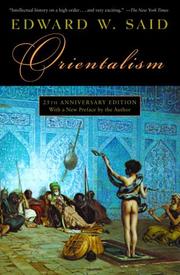
Edward Wadie Said was a Palestinian and American academic, literary critic, and political activist. As a professor of literature at Columbia University, he was among the founders of post-colonial studies. As a cultural critic, Said is best known for his book Orientalism (1978), a foundational text which critiques the cultural representations that are the bases of Orientalism—how the Western world perceives the Orient. His model of textual analysis transformed the academic discourse of researchers in literary theory, literary criticism, and Middle Eastern studies.
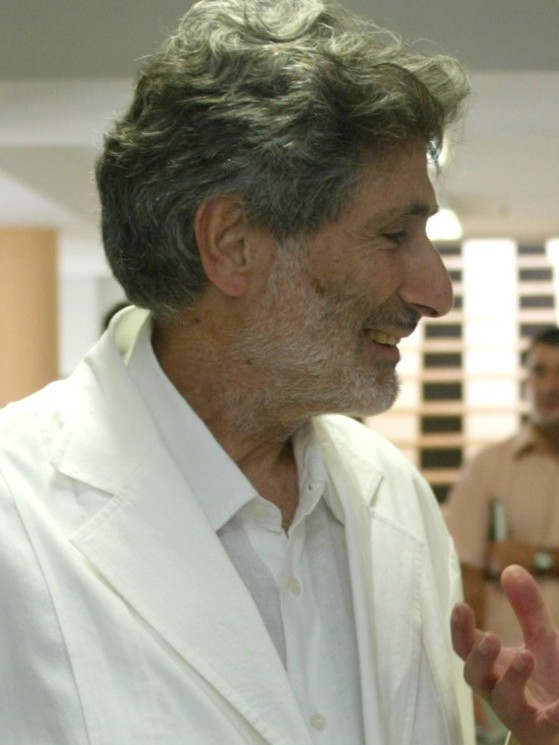
Source: Wikipedia (CC BY-SA). Portrait by Barenboim-Said Akademie gGmbH (CC0) via Wikimedia Commons.
Life on the Timeline
Major Works
Exam Dossier
Most-asked topics
- Orientalism (1978): thesis, method, key terms
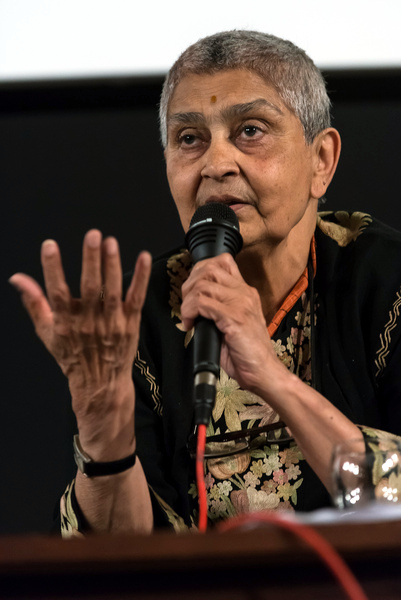
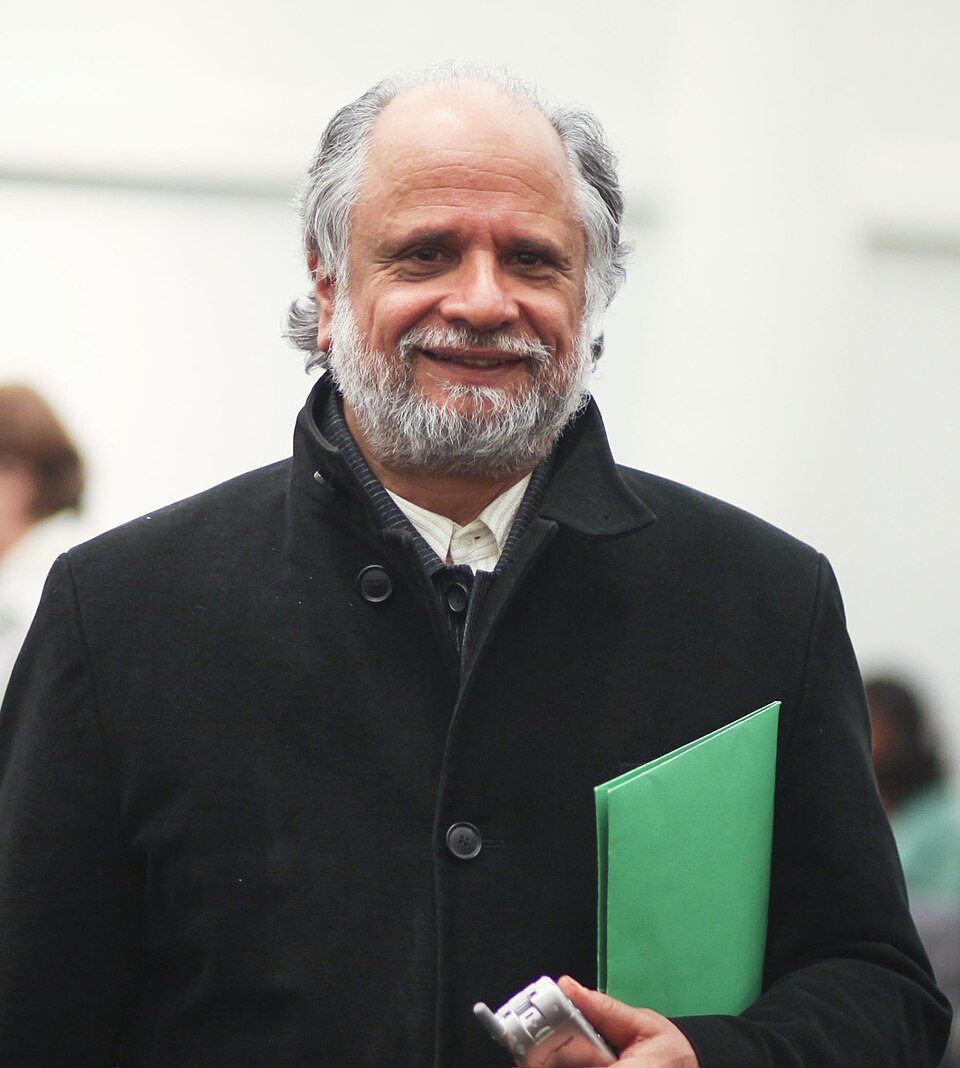
- Said and postcolonial theory / the postcolonial "holy trinity" (Said, Spivak, Bhabha)
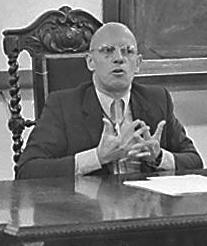
- Influence of Michel Foucault (discourse/power) and Antonio Gramsci (hegemony) on Said
- Culture and Imperialism (1993) and "contrapuntal reading"
- The intellectual, exile and "worldliness" in Said's criticism
- Said's critique of Western representations of the East and construction of the "Other"
- Said's life: Columbia University, Palestinian identity, activism
- Criticism/rebuttals of Said (e.g., Aijaz Ahmad's In Theory)
Previous-year themes
- Definition and key thesis of Orientalism as a discourse of power/knowledge
- Said's borrowing from Foucauldian discourse theory
- Said as founder of postcolonial studies alongside Spivak and Bhabha
- Concept of the "Other" and binary East-West representation
- Contrapuntal reading and Culture and Imperialism
- Said's idea of the exilic/oppositional intellectual
- Chronology and identification of Said's major works
- Relationship between literature, culture and imperial power in Said's criticism
Common confusions
- Confusing Edward Said with Homi Bhabha or Gayatri Spivak — all three are grouped as founders of postcolonial theory, but only Said wrote Orientalism; Bhabha is known for hybridity/mimicry, Spivak for the subaltern and 'Can the Subaltern Speak?'
- Mixing up Orientalism (1978, on Western representation of the East) with Culture and Imperialism (1993, on imperialism's imprint across literature more broadly, introducing contrapuntal reading)
- Attributing the concept of 'hegemony' (Gramsci) or 'discourse/power' (Foucault) to Said himself, when Said adapted these from earlier theorists
- Confusing Said's academic/theoretical works (Orientalism, Culture and Imperialism) with his more personal or political writings (Out of Place, The Question of Palestine, After the Last Sky)
- Thinking Said coined the general idea of 'Orientalist' painting/scholarship — the term pre-existed him; his contribution was theorizing it as a discourse of power
- Confusing Beginnings: Intention and Method (1975, on textual origins/filiation-affiliation) with The World, the Text, and the Critic (1983, essays on worldliness and criticism)
Memory tricks
'O' for Orientalism, 'O' for 'the Other' — Said's book is about how the West constructs the Orient as its Other
'C' words for Culture and Imperialism: Contrapuntal reading, Canon, Colonial history
Foucault gives Said the 'discourse', Gramsci gives him the 'hegemony' — remember F-D and G-H pairs
Said = Columbia + Palestine — remember his dual location: US academic institution, Palestinian political identity
'Out of Place' = out of homeland — the memoir title mirrors his life of exile between Jerusalem, Cairo and New York
Trinity of postcolonial theory: S-B-S = Said, Bhabha, Spivak