Postmodern
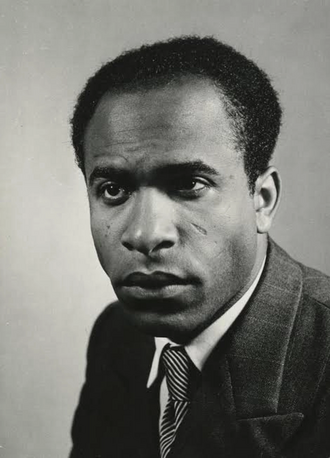
Frantz Fanon
1925 – 1961
French West Indian psychiatrist and philosopher (1925–1961)
- Martinique
- Caribbean
- Postcolonial Theory
- decoloniality
- Literary Theory
About
Frantz Omar Fanon was a French West Indian psychiatrist and political philosopher from the French colony of Martinique. His works have become influential in the fields of post-colonial studies and critical theory. As well as being an intellectual, Fanon was a political radical and Pan-Africanist, concerned with the psychopathology of colonization and the human, social, and cultural consequences of decolonization.
Source: Wikipedia (CC BY-SA). Portrait by Unknown authorUnknown author (Public domain) via Wikimedia Commons.
Life on the Timeline
Major Works
Exam Dossier
Most-asked topics
- Psychopathology of colonization and colonial alienation
- Concept of the "Manichean" colonial world
- Violence and decolonization in The Wretched of the Earth
- Racial identity and the "epidermalization" of inferiority in Black Skin, White Masks
- Negritude and Fanon's critique of it
- National consciousness and the pitfalls of national bourgeoisie
- Fanon's influence on postcolonial theory (Said, Bhabha, Spivak)
- Pan-Africanism and the Algerian War of Independence
Previous-year themes
- Fanon as founding figure of postcolonial/decolonial theory
- The concept of violence as a cleansing force in decolonization
- Black Skin, White Masks and psychoanalytic reading of race
- Fanon's relationship to Sartre, Negritude, and existentialism
- The 'Other' and colonial subjectivity/self-alienation
- Fanon's influence on Edward Said and Homi Bhabha
- National culture and the role of the intellectual in decolonization
Common confusions
- Confusing Fanon (Martinique-born psychiatrist, postcolonial theorist) with Aimé Césaire (Martinique-born poet, Negritude founder) — both are from Martinique but represent different generations and disciplines.
- Confusing The Wretched of the Earth (1961, on violence and decolonization) with Black Skin, White Masks (earlier work, on racial psychology and colonial alienation).
- Assuming Fanon originated Negritude, when in fact he was influenced by and later critical of aspects of the Negritude movement associated with Césaire and Senghor.
- Mixing up Fanon's preface-writer Sartre with Fanon's own authorship — the famous preface to The Wretched of the Earth is Sartre's, not Fanon's own words.
- Confusing postcolonial theory (broad field including Said, Spivak, Bhabha) with decoloniality as identical terms, when they are related but distinct theoretical strands both associated with Fanon's legacy.
- Assuming Fanon was primarily a literary writer; he was a psychiatrist and political philosopher whose 'essays' are theoretical/political rather than fiction or poetry.
Memory tricks
'Fanon = psychiatrist of colonization' — remember his medical training grounds his theory of colonial psychopathology.
'Wretched' rhymes with 'wrecked' — The Wretched of the Earth (1961) deals with the violent 'wreckage' and rebuilding of decolonization.
Martinique-born trio: Fanon (theorist), Césaire (poet, Negritude) — same island, different roles; do not conflate.
'Black Skin, White Masks' = the 'mask' metaphor for internalized colonial racial identity — masks hide the true self under colonial pressure.
Sartre wrote the preface to Wretched — think 'Sartre's Send-off' for Fanon's final, posthumous work.
1961 = death year AND publication year of The Wretched of the Earth — the two coincide, a key exam fact.