Victorian
Rudyard Kipling
1865 – 1936
English writer and poet (1865–1936)
- United Kingdom · United Kingdom of Great Britain and Ireland
- British
- ◆ Nobel 1907
About
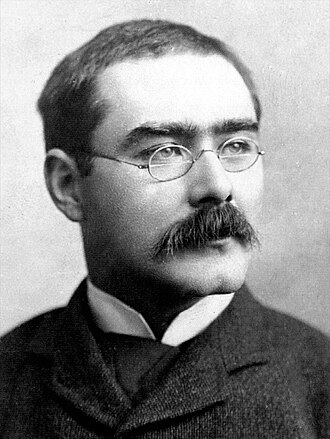
Joseph Rudyard Kipling was an Indian English journalist, novelist, poet and short-story writer. He was born in British India, which inspired much of his work.
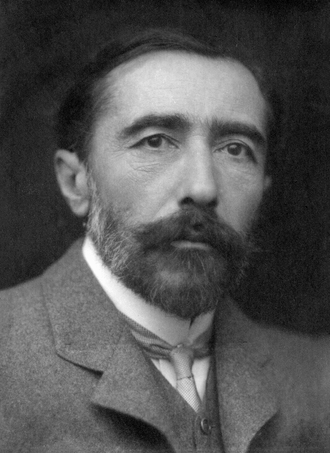
Source: Wikipedia (CC BY-SA). Portrait by Bain News Service, publisher (Public domain) via Wikimedia Commons.
Life on the Timeline
Major Works
Exam Dossier
Most-asked topics
- Kipling as poet of Empire and 'the White Man's Burden'
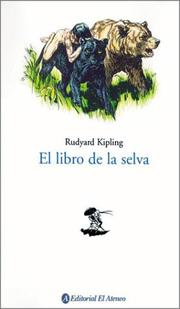
- The Jungle Book and animal fables as didactic literature
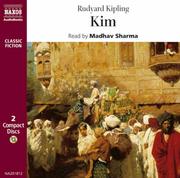
- Kim as picaresque/spy novel and 'The Great Game'
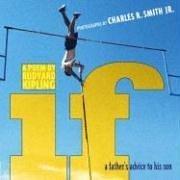
- 'If—' as moral/inspirational verse
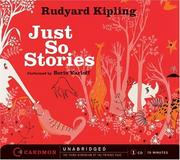
- Just So Stories and children's literature technique
- Kipling and Nobel Prize (1907)
- Kipling's narrative technique in short stories (Plain Tales from the Hills)
- Postcolonial critiques of Kipling (Orientalism, Edward Said)
Previous-year themes
- Kipling's place in Victorian/colonial literature and India
- Kim as a novel of empire, espionage, and hybrid identity
- The Jungle Book's animal allegory and didacticism
- 'If—' as exemplar of Victorian moral verse
- Kipling and the Nobel Prize in Literature
- Postcolonial re-readings of Kipling (Said's Orientalism)
- Kipling's short story craft and colonial India settings
Common confusions
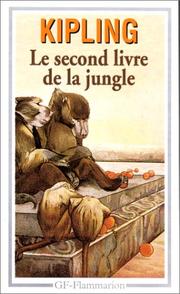
- Confusing The Jungle Book (1894) with The Second Jungle Book (1895) as a single work
- Mixing up Kim's setting/genre (picaresque spy novel of the Great Game) with straightforward adventure fiction
- Attributing 'If—' to a different poet due to its widely anthologized, almost proverbial status
- Confusing Just So Stories (etiological animal-origin tales) with The Jungle Book (Mowgli-centred fables)
- Assuming Kipling's Nobel Prize came earlier or later than 1907
- Conflating Kipling's imperial-era popularity with uncritical modern critical acceptance, ignoring postcolonial critiques
Memory tricks
'If—' in 1910: 'ten' commandments-like counsel for manhood
Gunga Din, 1892: 'nine-two' before The Jungle Book's 'nine-four'
Nobel in 1907 — remember 1907 as 'naught-seven', the same decade as Kim (1901) and Just So Stories (1902)
Jungle Books bracket 1894-95, Just So Stories follows in 1902 — 'jungle first, just-so after'
Kim (1901) = 'K' for 'Kim' and 'K' for 'Kipling's Nobel decade' start
Mowgli lives in the Jungle Book, not Just So Stories — 'M for Mowgli, J for Jungle'