Augustan
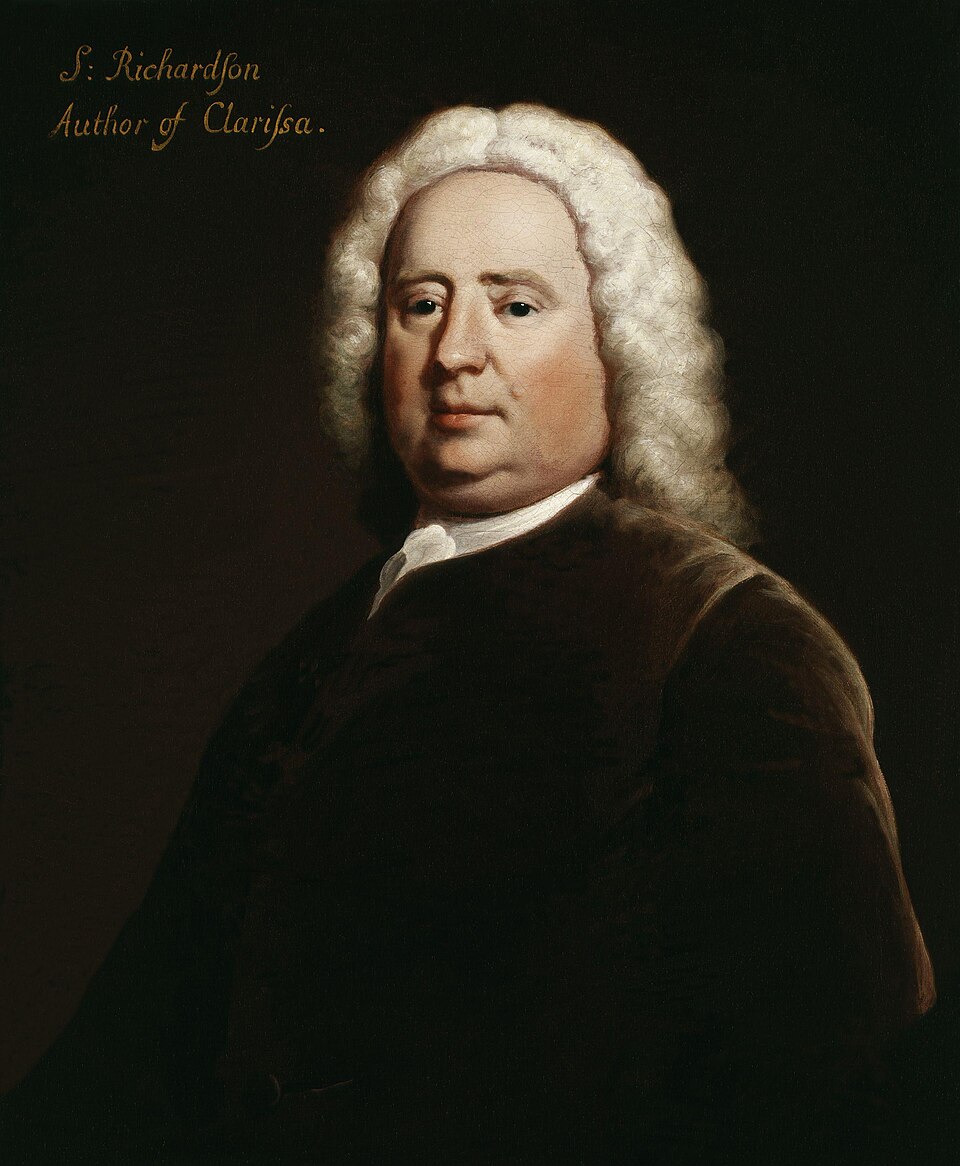
Samuel Richardson
1689 – 1761
English writer and printer (1689–1761)
- Kingdom of Great Britain · Kingdom of England
- British
- Novel of Sentiment
About
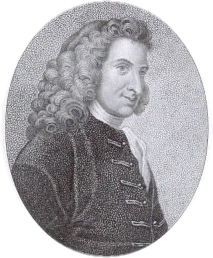
Samuel Richardson was an English writer and printer known for three epistolary novels: Pamela; or, Virtue Rewarded (1740), Clarissa; or, The History of a Young Lady (1748) and The History of Sir Charles Grandison (1753). He printed almost 500 works, including journals and magazines, working periodically with the London bookseller Andrew Millar.
Source: Wikipedia (CC BY-SA). Portrait by Joseph Highmore (Public domain) via Wikimedia Commons.
Life on the Timeline
Major Works
No works have been hung in this gallery yet — the acquisitions team is at work.
Exam Dossier
Most-asked topics
- Epistolary technique and 'writing to the moment'
- Pamela; or, Virtue Rewarded and the theme of rewarded virtue
- Clarissa as tragic epistolary masterpiece
- Sir Charles Grandison and the 'good man' hero
- Richardson vs Fielding: sentimental vs comic-realist novel
- Richardson's role in the rise of the English novel
- Didacticism and the moral/conduct-book aims of fiction
- Richardson as printer-novelist
- Psychological realism and interiority in the novel
- Influence on European sentimental fiction (Diderot, Rousseau)
Previous-year themes
- Significance of the epistolary form in Richardson's novels
- Pamela's theme of 'virtue rewarded' and contemporary moral debate around it
- Richardson's contribution to the rise/development of the English novel
- Fielding's parody (Shamela) and the Richardson–Fielding literary rivalry
- Clarissa as a study in tragedy, coercion, and female virtue
- Critical reception of Richardson (Johnson, Diderot, Ian Watt, Terry Eagleton)
- Richardson's place within eighteenth-century sentimentalism
- Comparison of Richardson's heroines/hero across Pamela, Clarissa, and Sir Charles Grandison
Common confusions
- Confusing Pamela's comic, reward-driven ending (marriage to Mr. B) with Clarissa's tragic ending (the heroine's death).
- Confusing Richardson's epistolary sentimental novels with Fielding's comic-epic prose narratives (Joseph Andrews, Tom Jones).
- Mixing up heroine Clarissa Harlowe with her abductor and antagonist Robert Lovelace.
- Confusing Richardson's Pamela (1740) with Fielding's parody Shamela (1741) — different authors, different intents.
- Assuming Sir Charles Grandison is a heroine-centred novel like Pamela/Clarissa, when it centres on a virtuous male hero.
- Muddling the publication order of the three novels: Pamela (1740) precedes Clarissa (1748), which precedes Sir Charles Grandison (1753).
Memory tricks
'P-C-G' order: Pamela (1740) → Clarissa (1748) → Grandison (1753) — alphabetical initials also mark chronological order.
'Pamela is rewarded, Clarissa is wrecked' — recall the contrasting fates of the two heroines.
Richardson the printer 'set his own type before he set his own plots' — remember his trade shaped his career.
'Shamela mocks Pamela' — S comes right after P in the alphabet, just as Fielding's parody (1741) came right after Pamela (1740).
Three titles trace virtue from servant-girl to lady to gentleman: Pamela → Clarissa → (Sir Charles) Grandison.