Restoration
Daniel Defoe
1660 – 1731
English trader, writer, and journalist (1660–1731)
- Kingdom of England · Kingdom of Great Britain · United Kingdom
- British
About
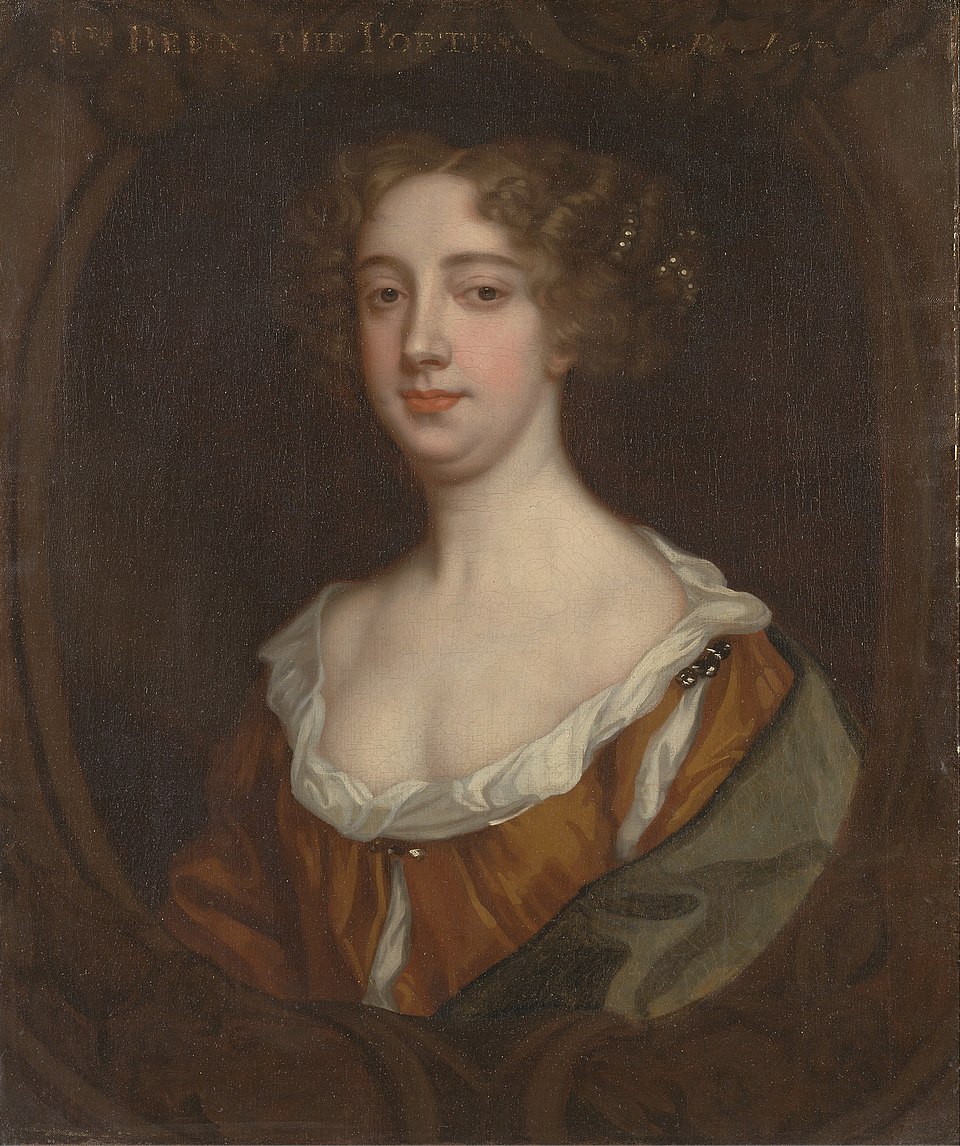
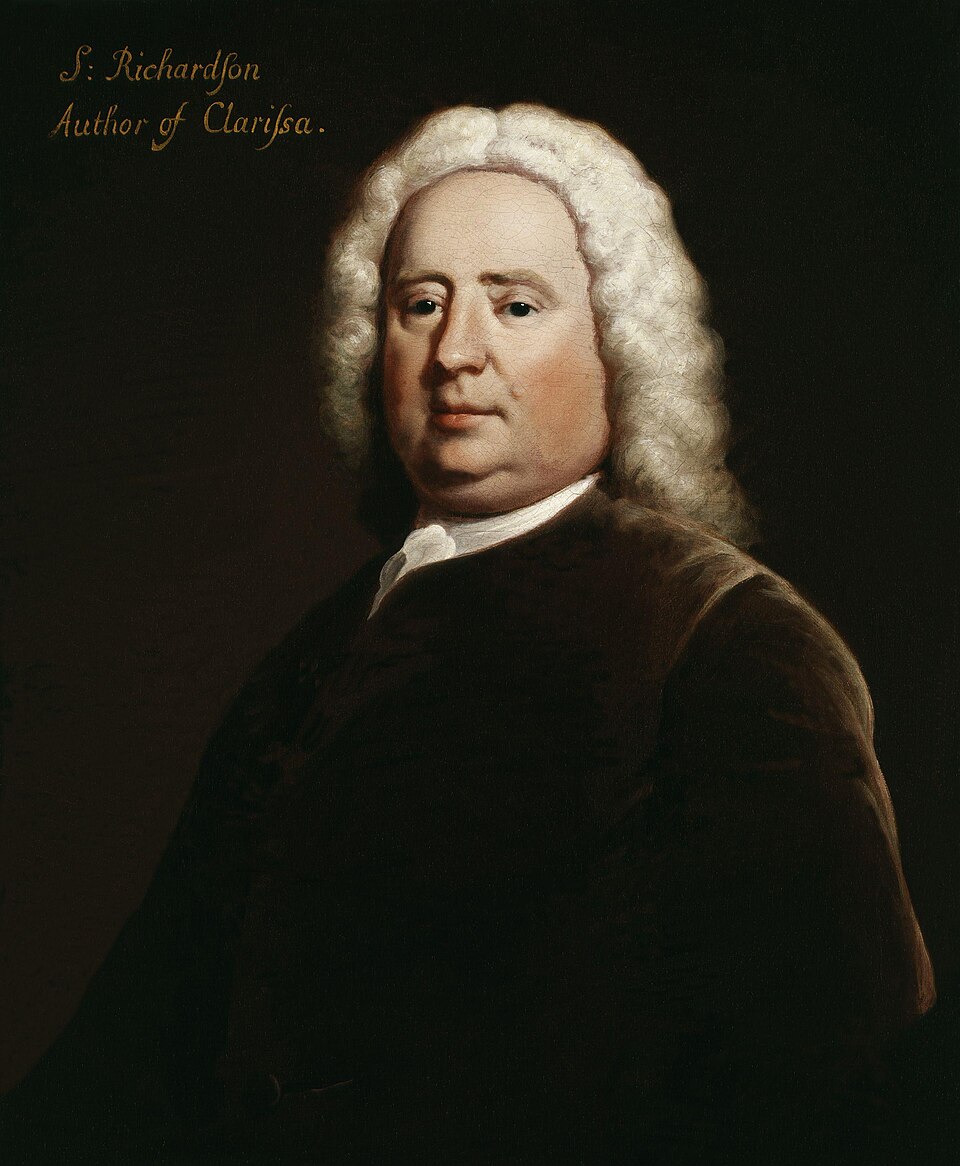
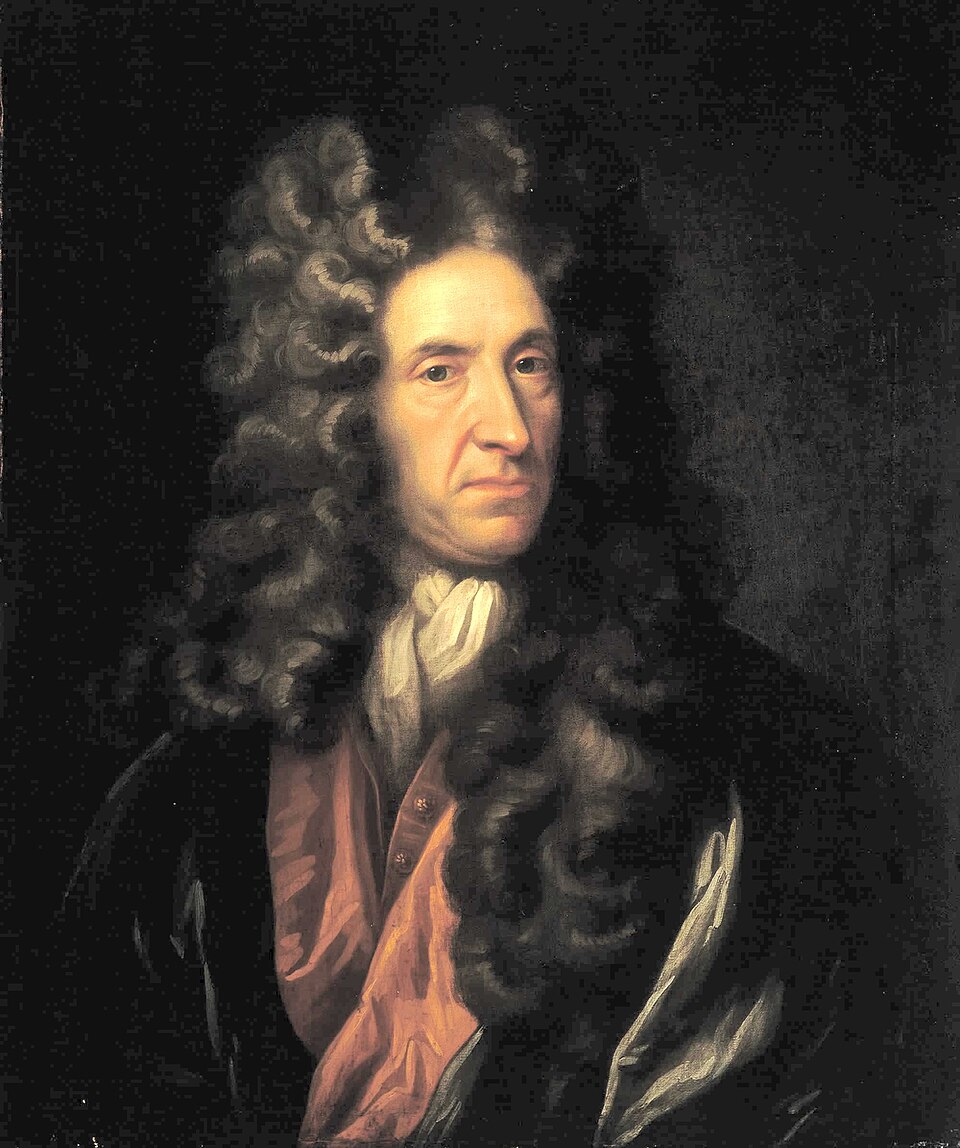
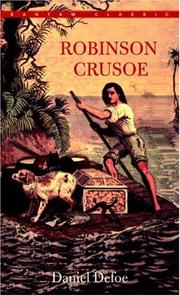
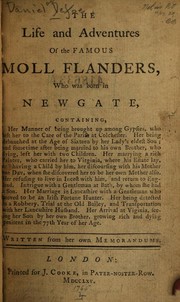
Daniel Defoe was an English writer, journalist, merchant and spy. He is famous for his novels Robinson Crusoe (1719), Moll Flanders (1722) and Roxana: The Fortunate Mistress (1724). He has been seen as one of the earliest proponents of the English novel, and helped to popularise the form in Britain with others such as Aphra Behn and Samuel Richardson.
Source: Wikipedia (CC BY-SA). Portrait by UnknownUnknown , style of Sir Godfrey Kneller (Public domain) via Wikimedia Commons.
Life on the Timeline
Major Works
Exam Dossier
Most-asked topics
- Defoe as pioneer of the English novel
- Robinson Crusoe as robinsonade and colonial/economic allegory
- narrative technique: first-person pseudo-autobiography and verisimilitude
- Moll Flanders as picaresque novel
- A Journal of the Plague Year and historical fiction/documentary realism
- Defoe's journalism and The Review
- Puritan individualism and Protestant ethic in Defoe's fiction
- Defoe's place in the rise-of-the-novel debate (Ian Watt)
Previous-year themes
- Defoe's contribution to the rise of the English novel
- Robinson Crusoe as allegory of colonialism/economic individualism
- first-person narrative and formal realism in Defoe
- picaresque elements in Moll Flanders
- Defoe's journalistic career and prose style
- the novel vs. romance distinction in early 18th-century fiction
- Defoe's treatment of crime, gender and social mobility
Common confusions
- Confusing Moll Flanders (picaresque novel) with Robinson Crusoe (robinsonade/adventure fiction) when asked to classify genre.
- Mixing up the publication years of Moll Flanders and A Journal of the Plague Year, which were both published in 1722.
- Attributing the term 'rise of the novel' argument to F. R. Leavis instead of Ian Watt.
- Confusing Defoe's Robinson Crusoe with later robinsonades by other authors when identifying the originator of the genre.
- Mistaking A Journal of the Plague Year for a true eyewitness memoir rather than historical fiction written decades after the event.
Memory tricks
'Crusoe came first' — Robinson Crusoe (1719) predates both Moll Flanders and the Journal, both from 1722.
'M and J, same year' — Moll Flanders and (Journal of the Plague Year) share 1722.
'Watt watched the Rise' — remember Ian Watt as the critic of The Rise of the Novel discussing Defoe.
'Moll the rogue, picaresque road' — Moll Flanders = picaresque.
'Crusoe = castaway = robinsonade' — the genre is literally named after him.