Jacobean
John Bunyan
1628 – 1688
English Christian writer and preacher (1628-1688)
- Kingdom of England · United Kingdom
- British
About
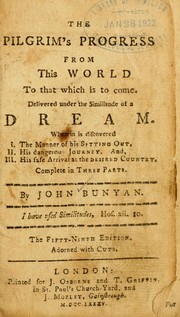
John Bunyan was an English writer and nonconformist preacher. He is best remembered as the author of the Christian allegory The Pilgrim's Progress, which also became an influential literary model. In addition to The Pilgrim's Progress, Bunyan wrote nearly sixty titles, many of them expanded sermons.
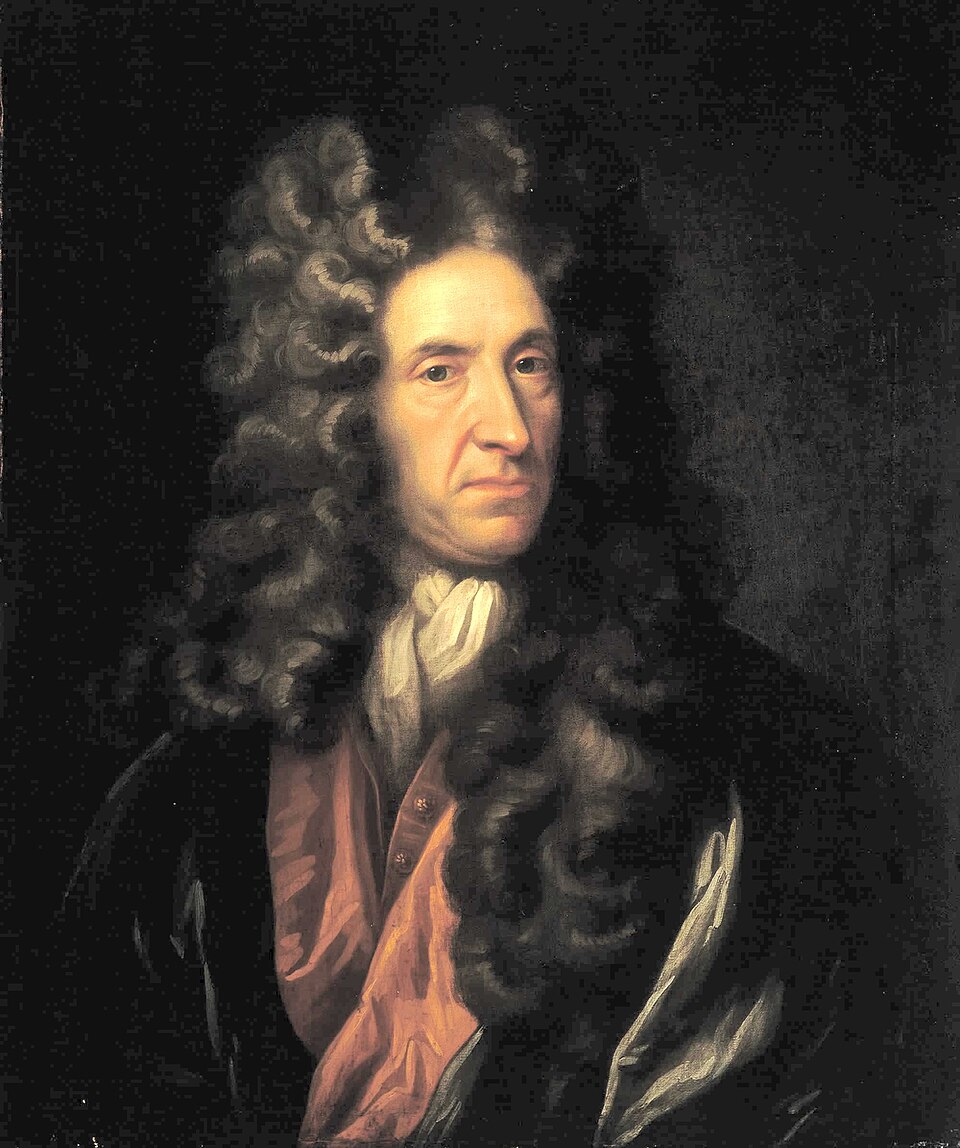
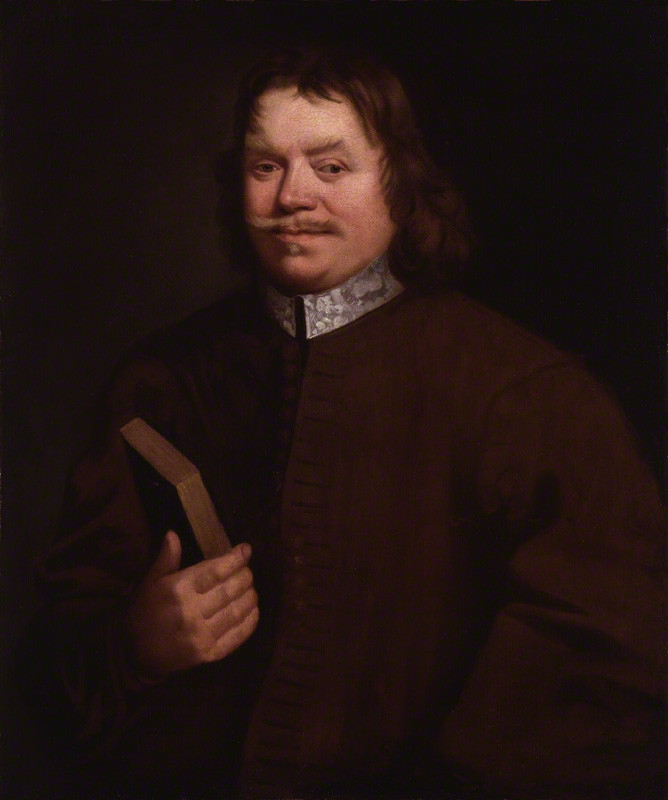
Source: Wikipedia (CC BY-SA). Portrait by Thomas Sadler (Public domain) via Wikimedia Commons.
Life on the Timeline
Major Works
Exam Dossier
Most-asked topics
- The Pilgrim's Progress as Christian allegory
- Bunyan's imprisonment and its influence on his writing
- Dream-vision narrative form
- Characterization and personification in The Pilgrim's Progress (Christian, Evangelist, Mr. Worldly Wiseman, Apollyon, Giant Despair)
- Grace Abounding to the Chief of Sinners as spiritual autobiography
- The Holy War as psychomachia allegory
- The Life and Death of Mr. Badman as a picaresque/anti-pilgrimage narrative
- Bunyan's place in the Puritan/nonconformist prose tradition
- Bunyan's influence on the rise of the English novel
- Plain style and biblical idiom in Bunyan's prose
Previous-year themes
- Allegory and symbolism in The Pilgrim's Progress
- Bunyan as a precursor of the English novel
- Puritan/nonconformist elements in Bunyan's prose
- Biographical context: Bedford jail imprisonment and its literary consequences
- Characters and place-names as moral abstractions (Vanity Fair, Slough of Despond, Doubting Castle)
- Comparison of Bunyan with Milton as Puritan writers
- Structure and narrative technique (dream-vision, first-person narrator)
- Part I versus Part II of The Pilgrim's Progress
Common confusions
- Confusing Bunyan's The Pilgrim's Progress with Spenser's The Faerie Queene — both are allegories of the moral/spiritual life but differ in period, verse/prose form, and religious framework.
- Confusing Part I (the journey of Christian) with Part II (the journey of his wife Christiana and their children) of The Pilgrim's Progress.
- Assuming Bunyan was imprisoned specifically for writing The Pilgrim's Progress, when in fact he was jailed for preaching without a license as a nonconformist, and wrote the work during that imprisonment.
- Confusing Grace Abounding to the Chief of Sinners (a factual spiritual autobiography) with The Pilgrim's Progress (an allegorical fiction).
- Confusing The Holy War (allegory of the soul as the besieged town of Mansoul) with The Pilgrim's Progress (allegory of a journey to the Celestial City).
- Treating Bunyan and Milton as interchangeable 'Puritan writers' despite Milton's epic verse mode versus Bunyan's plain allegorical prose aimed at a popular readership.
Memory tricks
"Bunyan behind bars" — recall that The Pilgrim's Progress was largely written during his imprisonment in Bedford Jail.
"Christian carries the load, Christiana leads the brood" — Part I follows Christian alone; Part II follows his wife Christiana and children.
"Badman is bad, Progress is good" — Mr. Badman traces a sinner's downward path, the mirror opposite of Christian's upward pilgrimage.
"Holy War, walled city; Pilgrim's Progress, open road" — The Holy War allegorizes the soul as the besieged town of Mansoul, while The Pilgrim's Progress allegorizes a journey.
"Grace Abounding = Autobiography Abounding" — remember it is Bunyan's own spiritual life story, not a fictional allegory.