Jacobean
George Herbert
1593 – 1633
Welsh-born English poet, orator and Anglican priest (1593-1633)
- Kingdom of England · Wales
- British
- Metaphysical Poets
About
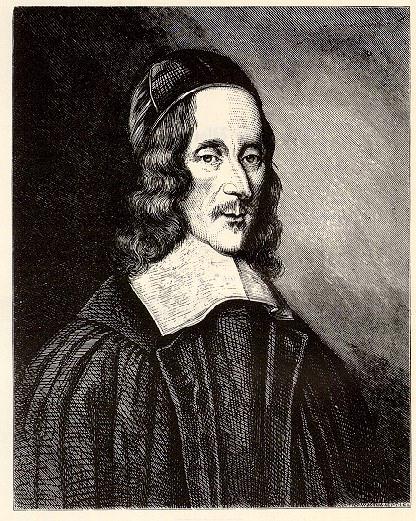
George Herbert was an English poet, orator, and priest of the Church of England. His poetry is associated with the writings of the metaphysical poets, and he is recognised as "one of the foremost British devotional lyricists." He was born in Wales into an artistic and wealthy family and largely raised in England. He received a good education that led to his admission to Trinity College, Cambridge, in 1609. He enrolled intending to become a priest, but became the University's Public Orator and attracted the attention of King James I. He sat in the Parliament of England in 1624 and briefly in 1625.
Source: Wikipedia (CC BY-SA). Portrait by Robert White (Public domain) via Wikimedia Commons.
Life on the Timeline
Major Works
No works have been hung in this gallery yet — the acquisitions team is at work.
Exam Dossier
Most-asked topics
- The Temple (1633) and its tripartite structure
- Metaphysical conceit and wit in Herbert's poetry
- Sacred/devotional poetry vs secular metaphysical love poetry
- Shaped/pattern poems ("Easter Wings", "The Altar")
- Herbert's relation to Donne and the metaphysical school
- Imagery of church architecture and liturgy
- Herbert's biography: priesthood at Bemerton, "holy Mr Herbert"
- Izaak Walton's Life of Herbert as biographical source
Previous-year themes
- Definition and features of Metaphysical poetry with Herbert as example
- Herbert's use of conceit compared with Donne's
- Structure and symbolism of The Temple
- Analysis of "The Collar" as a poem of spiritual rebellion and submission
- Pattern/shaped verse and visual form in Herbert
- Herbert's plain style versus Donne's dramatic argumentativeness
- Herbert in the tradition of English devotional/religious poetry
Common confusions
- Confusing George Herbert with the philosopher/politician Edward Herbert (his elder brother, Lord Herbert of Cherbury).
- Mixing up Herbert's plain, humble devotional style with John Donne's more dramatic, argumentative and erotic conceits.
- Attributing "Death, be not proud" or other Donne poems to Herbert due to their shared metaphysical grouping.
- Confusing the pattern poems "The Altar" and "Easter Wings" with each other in terms of their visual shape.
- Assuming Herbert wrote primarily secular love poetry, when his corpus is almost entirely devotional/religious.
- Confusing the posthumous publication date of The Temple (1633) with Herbert's date of ordination or death year of other metaphysical poets like Donne (1631) or Vaughan.
Memory tricks
"Herbert = Holy": remember Herbert as the priest-poet of quiet devotion, unlike Donne's stormy wit.
"Temple = Tomb-time": The Temple was published in the same year Herbert died (1633) — think 'Temple built on his tomb'.
"Wings for Easter, Altar for prayer": pair each shaped poem with its visual subject to avoid confusion.
"Collar = Call": in "The Collar", the rebellious speaker is finally called back by God's voice saying "Child".
"Bemerton = Because he became a parson": Herbert's rural parish at Bemerton marks his shift from courtier/orator to priest.
"1609 Trinity, 1633 Temple": bookend Herbert's Cambridge entry and his posthumous masterpiece with these two dates.