Restoration
Aphra Behn
1640 – 1689
British playwright, poet and spy (1640–1689)
- Kingdom of England
- British
About
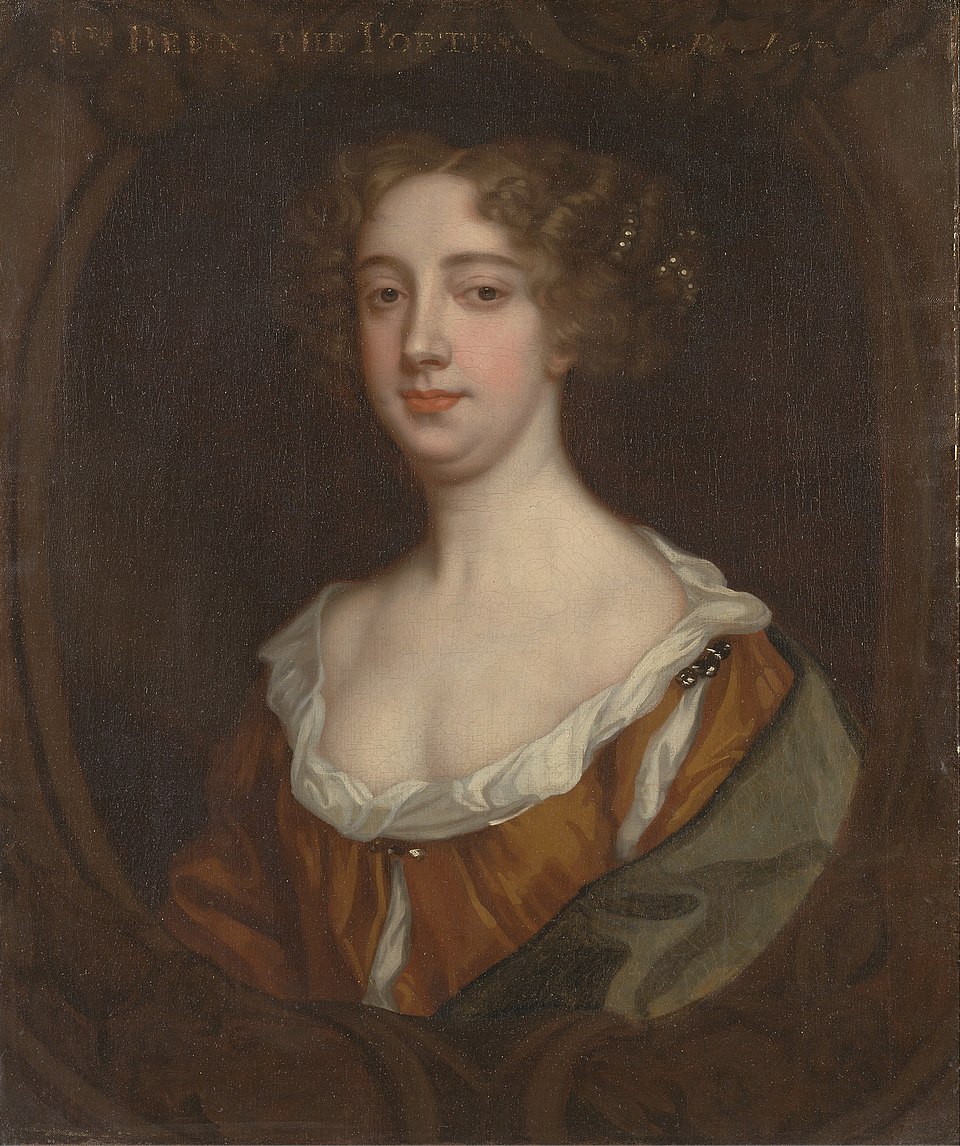
Aphra Behn was an English playwright, poet, prose writer and translator from the Restoration era. As one of the first English women to earn her living by her writing, she broke cultural barriers and served as a literary role model for later generations of women authors. Rising from obscurity, she came to the notice of Charles II, who employed her as a spy in Antwerp. Upon her return to London and a probable brief stay in debtors' prison, she began writing for the stage. She belonged to a coterie of poets and famous libertines such as John Wilmot, Lord Rochester. Behn wrote under the pastoral pseudonym Astrea. During the turbulent political times of the Exclusion Crisis, she wrote an epilogue and prologue that brought her legal trouble; she thereafter devoted most of her writing to prose genres and translations. A staunch supporter of the Stuart line, Behn declined an invitation from Bishop Burnet to write a welcoming poem to the new king William III. She died shortly after.
Source: Wikipedia (CC BY-SA). Portrait by Peter Lely (Public domain) via Wikimedia Commons.
Life on the Timeline
Major Works

Exam Dossier
Most-asked topics
- Behn's biography: spy work in Antwerp, debtors' prison, pseudonym 'Astrea'
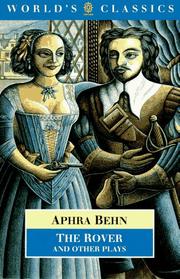
- The Rover: plot, rake hero Willmore, disguise and carnival setting
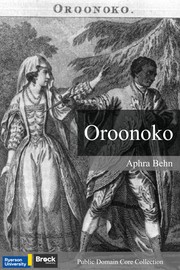
- Oroonoko: plot, colonial Surinam setting, proto-abolitionist themes
- Restoration comedy conventions (wit, intrigue, breeches roles, libertine heroes)
- Behn's place in the rise of the English novel (Love-Letters, Oroonoko)
- Feminist critical recovery of Behn (Virginia Woolf, later feminist critics)
- Chronology and authorship of Behn's plays and prose works
- Behn's circle: Restoration wits, Earl of Rochester, court of Charles II
Previous-year themes
- Behn as one of the first English women to earn her living by writing
- Oroonoko read as an early text of anti-slavery / colonial-encounter literature
- The Rover as the paradigmatic Restoration comedy of intrigue
- Autobiographical traces (Antwerp espionage, Surinam residence) in her fiction
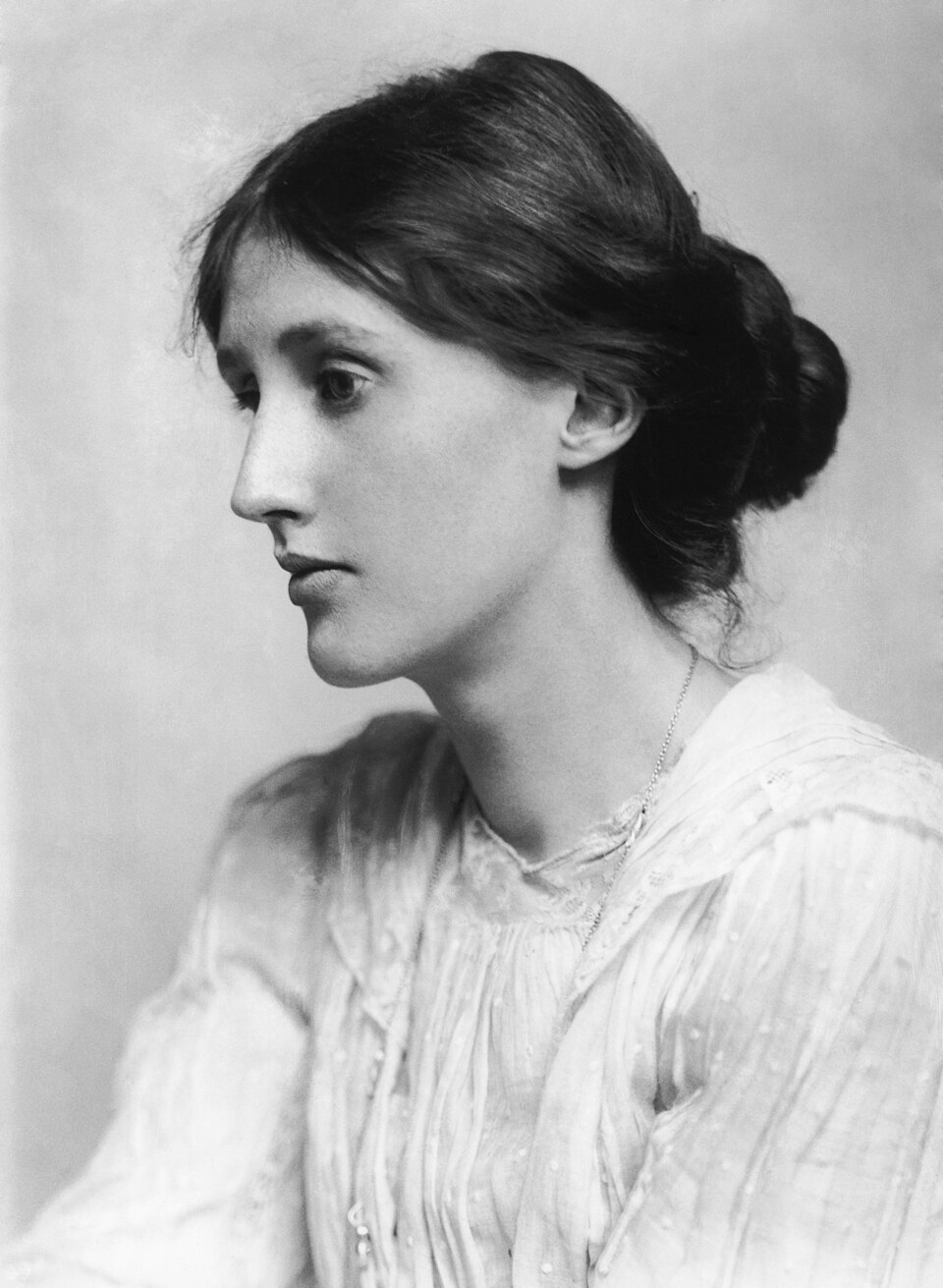
- Feminist recovery of Behn's reputation, especially Virginia Woolf's tribute
- Epistolary technique and Behn's contribution to the emerging novel form
- Restoration stage conventions: disguise, cross-dressing, the rake hero
Common confusions
- Confusing The Rover, Part I (1677) with its sequel The Rover, Part II (1681); NET questions almost always reference Part I.
- Treating Oroonoko as a modern abolitionist tract like later slave narratives (e.g., Equiano), rather than a Restoration prose narrative embedded in its own colonial worldview.
- Mistaking Behn's pseudonym 'Astrea' for a character's name in one of her plays.
- Assuming Love-Letters Between a Nobleman and His Sister is Behn's debut work, when The Forc'd Marriage (1671) was actually her first staged play.
- Conflating Behn's spy mission in Antwerp with her earlier stay in Surinam, which are two distinct biographical episodes feeding different later works.
- Assuming Behn 'invented' the epistolary novel outright, rather than being an important early English practitioner of the form decades before Richardson.
Memory tricks
'Behn Began' — The Forc'd Marriage (1671) marks Behn's beginning as a playwright.
'ROVER = Restoration' — The Rover is the textbook example of Restoration comedy.
'Astrea = a star' — Behn's pastoral pen name evokes the star-maiden of classical myth.
'Woolf's flowers for Behn' — recall Virginia Woolf's tribute linking Behn to women's literary freedom.
'1689: died and published' — Behn died in 1689, the same year her Widow Ranter and History of the Nun appeared posthumously.
'Surinam sends Oroonoko' — remember Oroonoko's colonial setting by pairing Surinam with the title character's name.