Augustan
William Congreve
1670 – 1729
British writer (1670-1729)
- Kingdom of Great Britain
- British
- Comedy of Manners
About
William Congreve was an English playwright, satirist and poet. He played a major role in shaping English comedy, and is often regarded by literary critics as one of the greatest playwrights of the Restoration period. The popularity of his plays in the late 17th and early 18th centuries was central to the development of satirical comedy of manners, and he became recognised as a seminal figure of Restoration literature. Although he wrote several commercially successful works, Congreve is best remembered today for his quotes, such as, "O fie, miss, you must not kiss and tell", and "Hell hath no fury like a woman scorned".
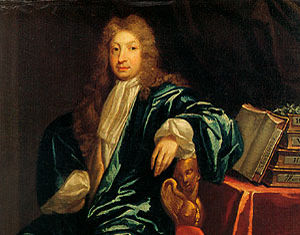
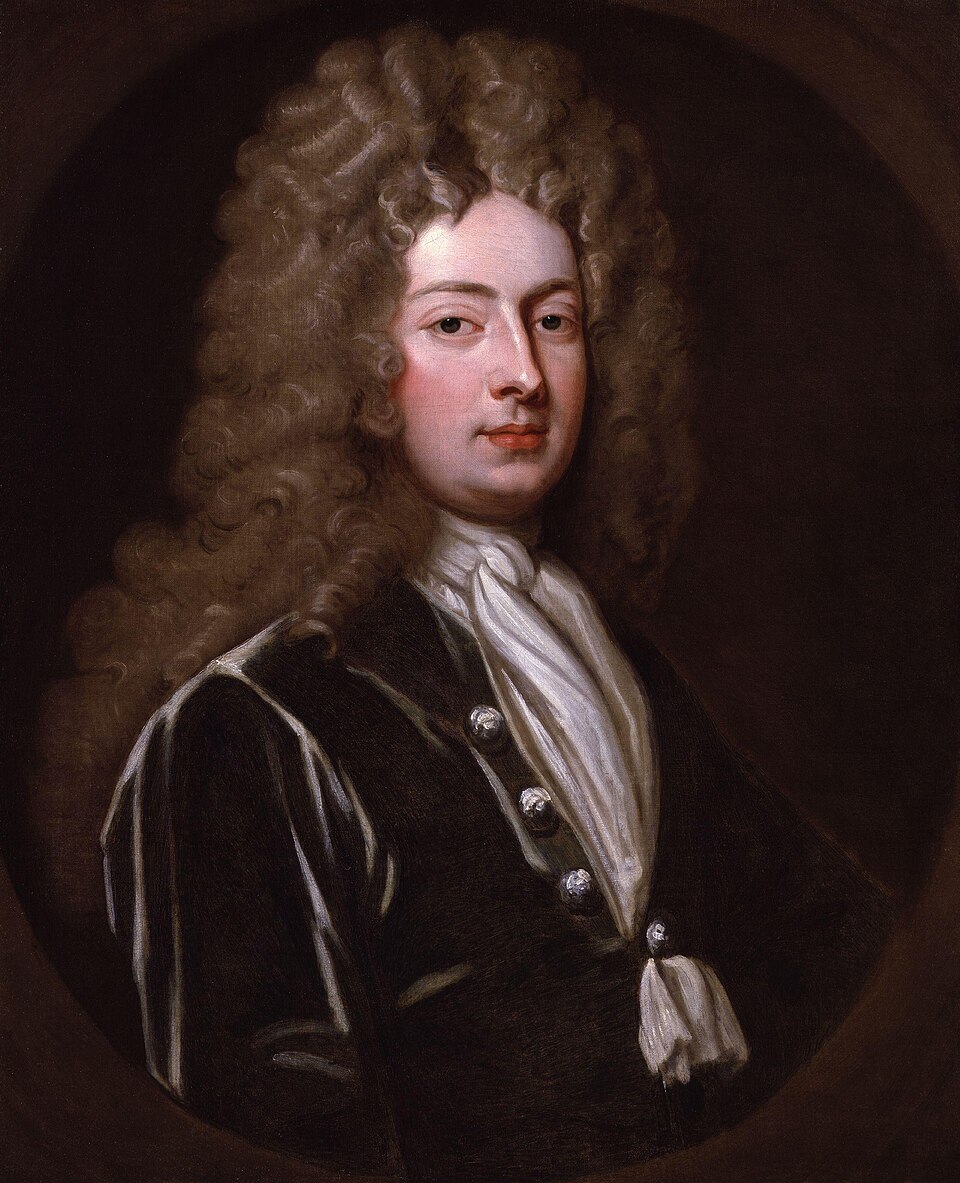
Source: Wikipedia (CC BY-SA). Portrait by Godfrey Kneller (Public domain) via Wikimedia Commons.
Life on the Timeline
Major Works

Exam Dossier
Most-asked topics
- Congreve as the leading exponent of Restoration comedy of manners
- The Way of the World (1700) — plot, characters, the proviso scene
- Wit, epigram and satire in Congreve's dialogue
- The Mourning Bride (1697) as his sole tragedy
- Congreve's chronology of plays (1693-1700)
- Stock character types: the fop, the wit, the would-be wit (Witwoud)
- Congreve's place between Restoration and eighteenth-century comedy
- Comparison of Congreve with Wycherley, Etherege and Sheridan
Previous-year themes
- Identification of famous lines/quotations from The Way of the World and The Mourning Bride
- Chronological ordering of Congreve's plays
- Character-work matching (Mirabell, Millamant, Lady Wishfort, Witwoud)
- Congreve's contribution to comedy of manners as a dramatic mode
- Definition and features of Restoration comedy of manners
- The proviso scene as a set-piece of dramatic wit
- Congreve's tragedy versus his comedies
Common confusions
- Confusing Congreve with fellow Restoration comedy-of-manners dramatists William Wycherley or George Etherege.
- Confusing The Way of the World (1700) with Sheridan's later comedy of manners, The School for Scandal (1777).
- Quoting 'Hell hath no fury like a woman scorned' as the exact original line, rather than the actual wording from The Mourning Bride, 'Nor hell a fury like a woman scorned.'
- Mixing up The Old Bachelor and The Double-Dealer, both produced in the same year, 1693.
- Assuming Congreve wrote only comedies, forgetting that The Mourning Bride (1697) is a tragedy.
- Confusing the Mirabell-Millamant proviso scene in The Way of the World with the courtship plots of Love for Love.
Memory tricks
'World' comes last: The Way of the World (1700) is Congreve's final and finest play.
'Mourning' signals grief, not laughter: remember The Mourning Bride is his only tragedy.
PRO-viso = PRO-posal: the proviso scene is Mirabell and Millamant's marriage-proposal negotiation.
Chronology hook: 'OB-DD-LFL-MB-WOW' — Old Bachelor, Double-Dealer, Love for Love, Mourning Bride, Way of the World, in that order.
Congreve = Comedy: alliteration to fix his core association with comedy of manners.
Two plays, one year: 'Old and Double both start in '93' — Old Bachelor and Double-Dealer share 1693.