Victorian
Oscar Wilde
1854 – 1900
Irish poet, playwright, and aesthete (1854-1900)
- United Kingdom of Great Britain and Ireland · Ireland · United Kingdom · France
- Irish
- Aestheticism
- Decadence
- decadent-movement
About
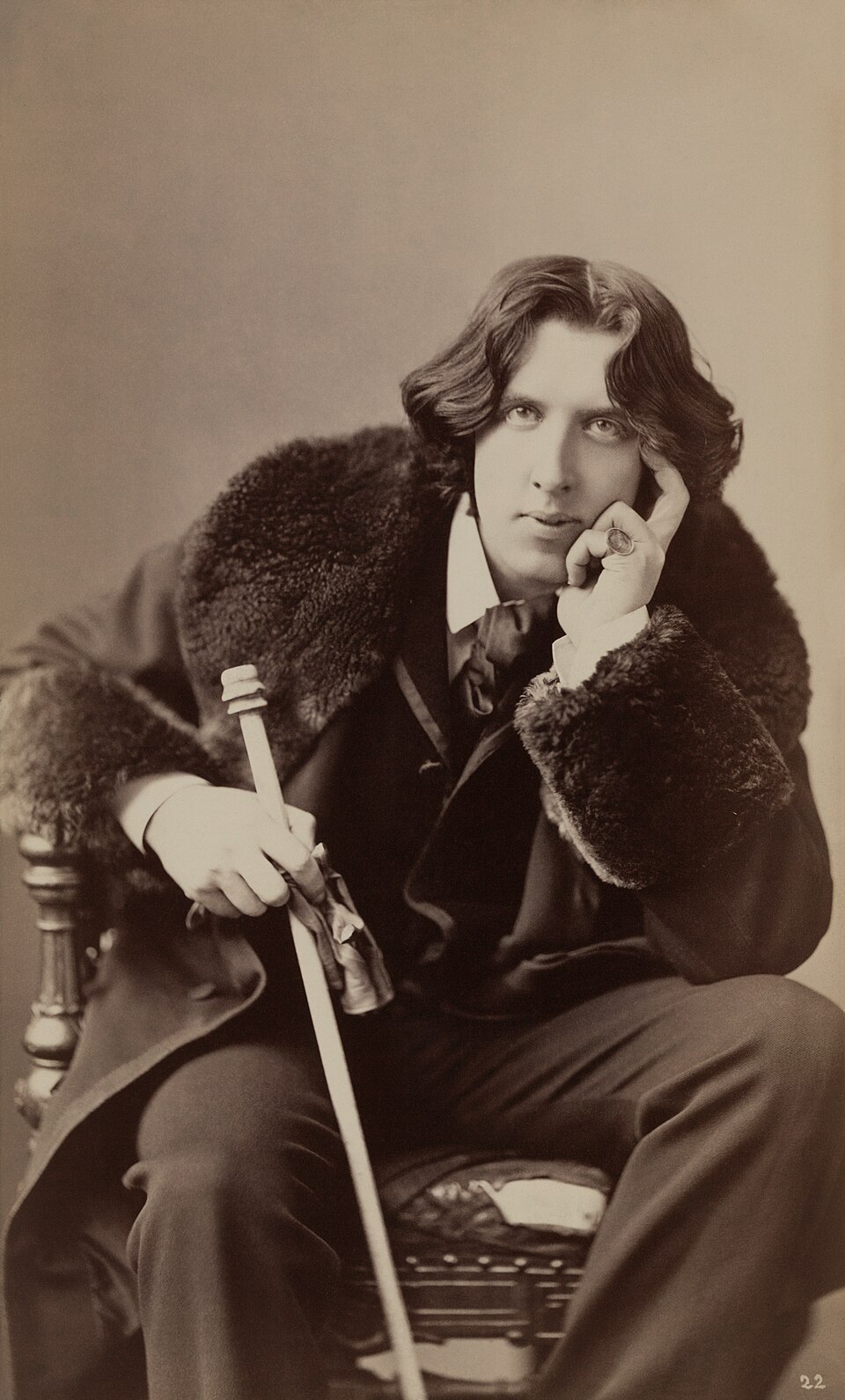
Oscar Fingal O'Fflahertie Wills Wilde was an Irish author, poet and playwright. After writing in different literary styles throughout the 1880s, he became one of the most popular and influential dramatists in London in the early 1890s. He was a key figure in the emerging Aestheticism movement of the late 19th century and is widely regarded the greatest playwright of the Victorian era. Wilde is best known for his Gothic novel The Picture of Dorian Gray (1890), his epigrams, plays and bedtime stories for children, as well as his criminal conviction in 1895 for gross indecency and for practicing homosexual acts.
Source: Wikipedia (CC BY-SA). Portrait by Napoleon Sarony / Adam Cuerden (Public domain) via Wikimedia Commons.
Life on the Timeline
Major Works
Exam Dossier
Most-asked topics
- Aestheticism and the doctrine of Art for Art's Sake
- The Picture of Dorian Gray: preface, plot, and Gothic elements
- The four society comedies and their chronology
- The Importance of Being Earnest: characters, epigrams, subtitle
- Critical essays in Intentions: 'The Decay of Lying' and 'The Critic as Artist'
- The trials of 1895, imprisonment, and prison writings
- The Ballad of Reading Gaol and De Profundis
- Salome: censorship and the Decadent movement
- Wilde's epigrams and paradoxes
- Wilde as Irish writer in the Victorian fin de siecle
Previous-year themes
- Identifying the source play/work of famous Wildean epigrams
- Publication and performance dates of Wilde's plays and the novel
- The Preface to The Picture of Dorian Gray as an aesthetic manifesto
- Characters matched to plays (Lady Bracknell, Mrs Erlynne, Mrs Cheveley, Lord Henry)
- Wilde's relation to Pater, Ruskin, and the Aesthetic/Decadent movements
- The anti-mimetic argument of 'The Decay of Lying' (Life imitates Art)
- Circumstances of composition of De Profundis and The Ballad of Reading Gaol
- Comedy of manners tradition from Congreve and Sheridan to Wilde
Common confusions
- Dorian Gray dates: the magazine version appeared in Lippincott's in 1890, but the revised book edition with the aphoristic Preface and six extra chapters is 1891 — exams may cite either.
- Salome exists in two versions: Wilde's French original (published 1893) and the 1894 English translation associated with Lord Alfred Douglas and illustrated by Aubrey Beardsley — do not date the English text 1893.
- 'Art for Art's sake' did not originate with Wilde: the slogan derives from Theophile Gautier ('l'art pour l'art') and the aesthetic doctrine from Walter Pater; Wilde popularised it.
- De Profundis (a prose letter to Lord Alfred Douglas, written 1897, published 1905) is often confused with The Ballad of Reading Gaol (a poem, published 1898 under 'C.3.3.').
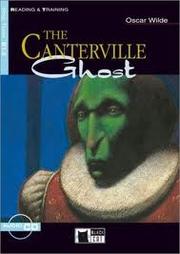
- The Canterville Ghost (1887) is a short story, not a novel — Dorian Gray is Wilde's only novel.
- C.3.3. (the pseudonym on The Ballad of Reading Gaol) versus Sebastian Melmoth (Wilde's assumed name in French exile) — students frequently swap them.
- An Ideal Husband and The Importance of Being Earnest were both on the London stage in 1895, the same year as the trials; keep Lady Windermere's Fan (1892) and A Woman of No Importance (1893) before them.
Memory tricks
Society comedies in order — 'Lady, Woman, Husband, Earnest': Lady Windermere's Fan (1892), A Woman of No Importance (1893), An Ideal Husband (1895), The Importance of Being Earnest (1895).
C.3.3. = Cell block C, landing 3, cell 3 — the 'address' Wilde signed on The Ballad of Reading Gaol.
Happy Prince = double 8: The Happy Prince and Other Tales is 1888.
'DORIAN at 90': The Picture of Dorian Gray first appeared in 1890 (book edition one year later, 1891).
1891 = Wilde's annus mirabilis of prose: Intentions, The Soul of Man under Socialism, A House of Pomegranates, and the Dorian Gray book edition all in one year.
GAOL rhymes with 'tale of 98': The Ballad of Reading Gaol, 1898; De Profundis comes 'from the depths' of the same prison but surfaces only in 1905.