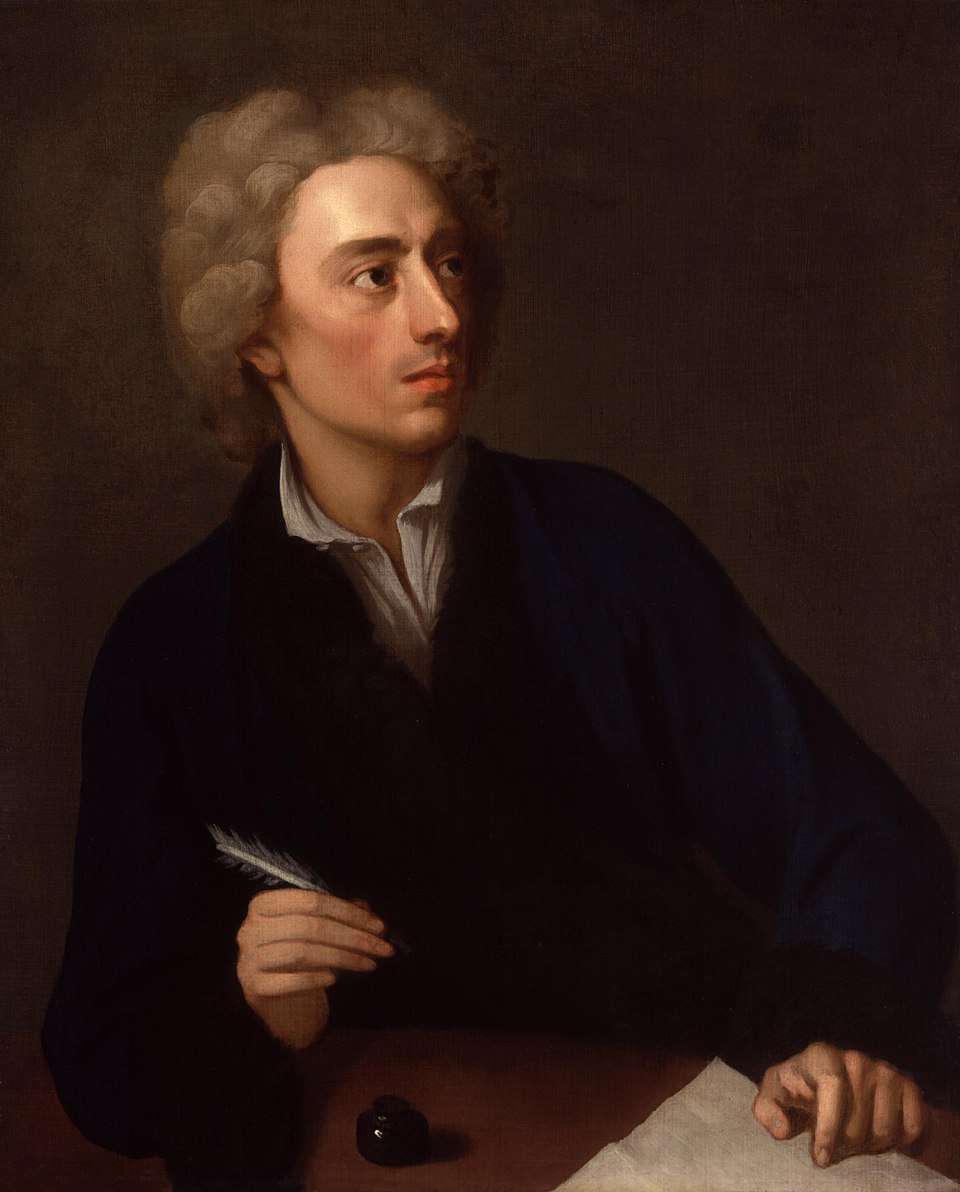
Restoration
Jonathan Swift
1667 – 1745
Anglo-Irish satirist and essayist (1667–1745)
- Kingdom of Ireland · Ireland
- Irish
- Neoclassicism
- Scriblerus Club
About
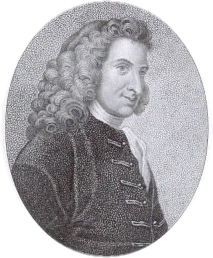
Jonathan Swift was an Anglo-Irish writer, essayist, satirist, and Anglican cleric. He was the author of the satirical prose novel Gulliver's Travels (1726) and the creator of the fictional island of Lilliput. He is regarded by many as the greatest satirist of the Georgian era and one of the foremost prose authors in the history of English and world literature.
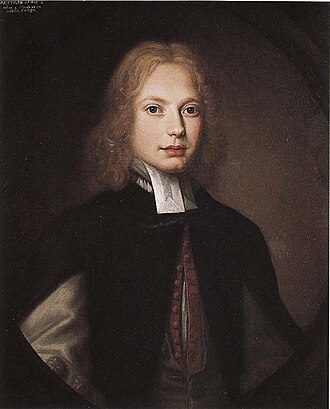
Source: Wikipedia (CC BY-SA). Portrait by Charles Jervas (Public domain) via Wikimedia Commons.
Life on the Timeline
Major Works

Exam Dossier
Most-asked topics
- Gulliver's Travels: the four voyages, their satirical targets and narrative persona
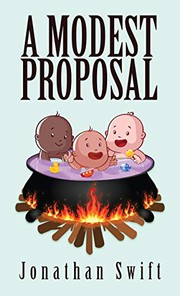
- A Modest Proposal as sustained irony and the economic 'projector' persona
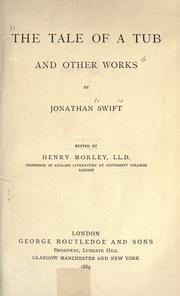
- A Tale of a Tub: religious allegory of Peter, Martin and Jack; digressions
- The Battle of the Books and the Ancients vs Moderns quarrel
- Swift's pseudonyms and personae: Isaac Bickerstaff, M.B. Drapier, Lemuel Gulliver
- The Scriblerus Club and Augustan satire (Pope, Gay, Arbuthnot)
- Swift and Ireland: Drapier's Letters, Wood's halfpence, Irish tracts
- Journal to Stella; Stella (Esther Johnson) and Vanessa (Esther Vanhomrigh)
- Swift's misanthropy debate: 'hard' vs 'soft' readings of Book IV
- Critical reception: Thackeray, F. R. Leavis, George Orwell on Swift
Previous-year themes
- Identifying the four voyages of Gulliver's Travels and the peoples encountered (Lilliputians, Brobdingnagians, Laputans, Houyhnhnms, Yahoos)
- The ironic proposal and persona in A Modest Proposal
- Allegory of the three brothers in A Tale of a Tub (Catholicism, Anglicanism, Dissent)
- The phrase 'sweetness and light' and the Ancients-Moderns controversy in The Battle of the Books
- Matching Swift's works with publication years and pseudonyms
- Scriblerus Club membership and Augustan satiric collaboration
- Swift's Irish pamphleteering: Drapier's Letters and Wood's halfpence
- Famous remarks on Swift and his epitaph ('saeva indignatio'; Yeats's 'Swift's Epitaph')
Common confusions
- Stella vs Vanessa: Stella = Esther Johnson (Journal to Stella); Vanessa = Esther Vanhomrigh (Cadenus and Vanessa). Students routinely swap the two Esthers.
- A Tale of a Tub vs The Battle of the Books: both appeared in the same 1704 volume; the Tale is the religious allegory of the three brothers, the Battle is the Ancients vs Moderns mock-epic.
- Big-Endians/Little-Endians (the egg-breaking religious controversy in Lilliput) vs Tramecksan/Slamecksan (the High-Heel and Low-Heel political parties) — two different Lilliputian satires often conflated.
- Laputa (the flying island) vs Lagado (capital of Balnibarbi, home of the Grand Academy of projectors) — the Academy is in Lagado, not on Laputa.
- Isaac Bickerstaff: invented by Swift (1708) but later adopted by Steele as the persona of The Tatler — the pseudonym is often misattributed wholly to Steele.
- Taking A Modest Proposal literally: the 'proposal' belongs to the ironic persona, not to Swift; the real proposals appear near the end as the remedies the projector dismisses.
Memory tricks
Gulliver's four voyages: 'Little Big Fly Horse' — Lilliput (little), Brobdingnag (big), Laputa (flying island), Houyhnhnms (horses).
Tale of a Tub brothers: Peter = Pope/Rome (St Peter), Martin = Martin Luther (Anglican/Lutheran), Jack = John Calvin (Dissenters).
Key dates ladder: 1704 Tub → 1724 Drapier → 1726 Gulliver → 1729 Proposal (Tub +20 = Drapier; +2 = Gulliver; +3 = Proposal).
Swift's life brackets: born 1667, died 1745 — 'Swift lived from Milton's last years to the Jacobite '45'.
Scriblerus Club = 'SPGAP': Swift, Pope, Gay, Arbuthnot, Parnell.
Bickerstaff killed Partridge: B for Bickerstaff 'buried' the astrologer P for Partridge in the 1708 hoax.