Augustan
Alexander Pope
1688 – 1744
English poet (1688–1744)
- Kingdom of England · Kingdom of Great Britain
- British
- Neoclassicism
- Scriblerus Club
- Literary Theory
About
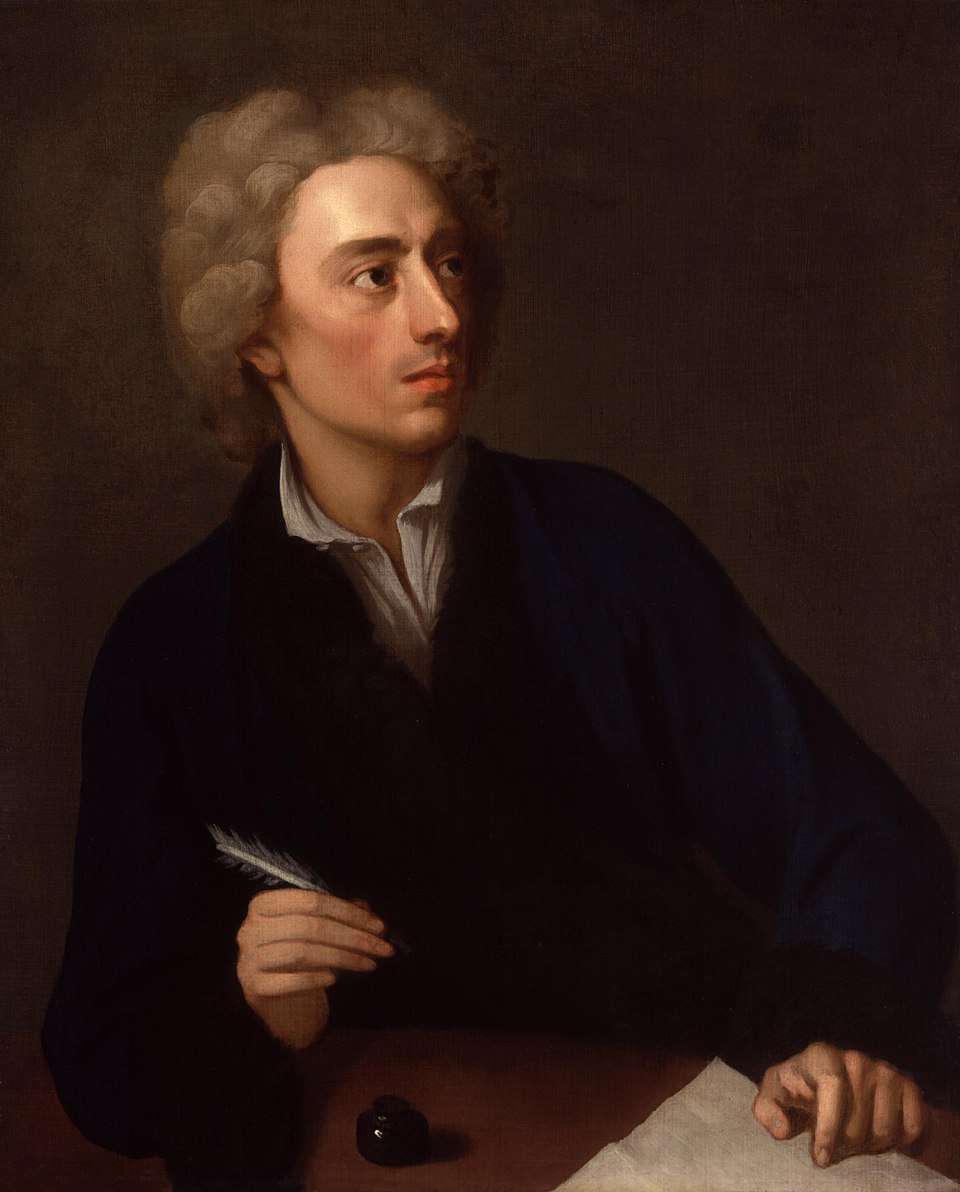
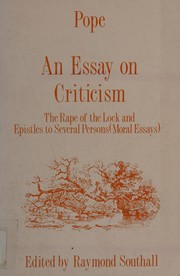
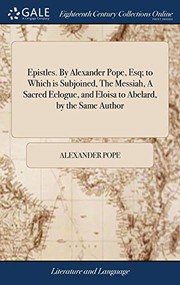
Alexander Pope was an English poet, translator, and satirist of the Enlightenment era who is considered one of the most prominent English poets of the early 18th century. An exponent of Augustan literature, Pope is best known for his satirical and discursive poetry including An Essay on Criticism (1711), The Rape of the Lock (1712–1717), The Dunciad (1728–1743), and for his translations of Homer.
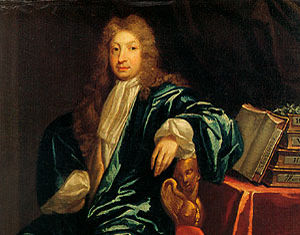
Source: Wikipedia (CC BY-SA). Portrait by Michael Dahl (Public domain) via Wikimedia Commons.
Life on the Timeline
Major Works
Exam Dossier
Most-asked topics
- The Rape of the Lock as mock-epic
- An Essay on Criticism as verse manifesto of neoclassical literary theory
- An Essay on Man and philosophical optimism
- The Dunciad and satire on dullness
- Pope's heroic couplet technique
- The Scriblerus Club and Augustan satire
- Pope's translations of Homer (Iliad and Odyssey)
- Epistle to Dr Arbuthnot and Pope's self-portrait as satirist
Previous-year themes
- Identification of famous lines/couplets from Essay on Criticism and Essay on Man
- Mock-epic machinery and structure in The Rape of the Lock
- Pope's place in the Augustan/Neoclassical Age alongside Dryden and Swift
- Chronological ordering of Pope's major works
- Pope's critical theory of 'wit' and 'nature' in Essay on Criticism
- The satiric target and method of The Dunciad
- Pope's association with the Scriblerus Club
Common confusions
- Confusing An Essay on Criticism (a poem on literary theory and taste) with An Essay on Man (a philosophical poem on human nature and providence)
- Confusing Pope's Dunciad with Dryden's Mac Flecknoe — both are mock-heroic satires on bad poets but by different authors and periods
- Reading The Rape of the Lock as a serious epic rather than recognizing its mock-heroic, satiric intent
- Mistaking Pope's Iliad and Odyssey as original compositions rather than translations
- Attributing Gulliver's Travels or A Modest Proposal (Swift's works) to Pope because both were Scriblerus Club members
- Confusing Pope's closed heroic couplet form with Milton's blank verse or Spenser's stanza form
Memory tricks
'Pope's couplets close the case' — remember his verse form is the closed heroic couplet, each pair completing its sense.
ERA order: Essay on Criticism (1711), Rape of the Lock (1712), An Essay on Man (1733) — three key dates in sequence.
'Dunces fill the Dunciad' — the title itself signals its target: literary dullness.
'Scriblerus' sounds like 'scribble' — a club of satirical scribblers: Pope, Swift, Gay, Arbuthnot.
Sylphs guard Belinda's honor in Rape of the Lock — mock-epic 'guardian spirits' replacing epic gods.
'Whatever is, is right' — WIR reminds you this is the optimistic tagline of An Essay on Man.