Classical
Virgil
70 BC – 19 BC
Roman poet (1st century BC)
- Ancient Rome
- Classical Antiquity
- Augustan poetry
About
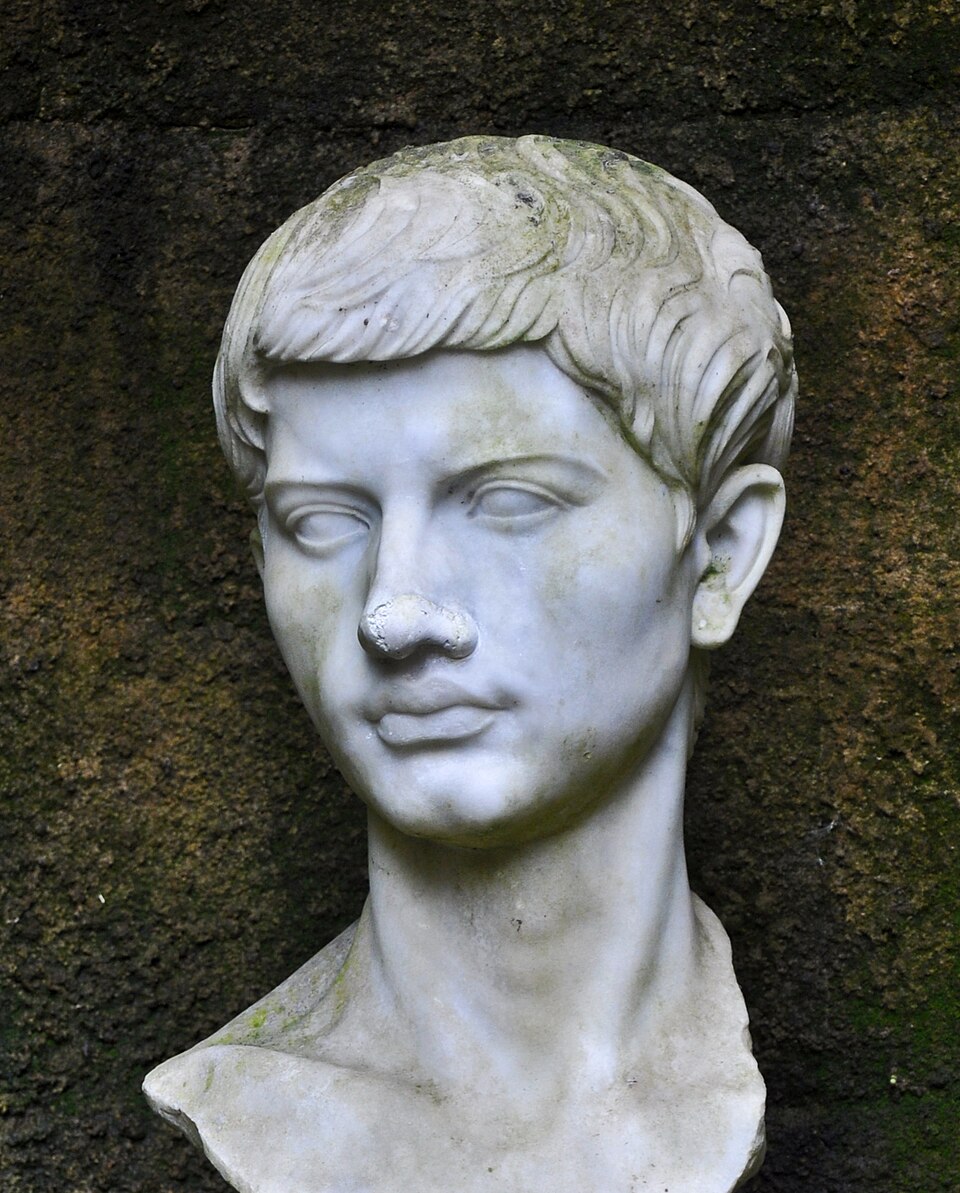
Publius Vergilius Maro, usually called Virgil or Vergil in English, was an ancient Roman poet of the Augustan period. He composed three of the most famous poems in Latin literature: the Eclogues, the Georgics, and the epic Aeneid. Some minor poems, collected in the Appendix Vergiliana, were attributed to him in ancient times, but modern scholars regard these as spurious, with the possible exception of some short pieces.
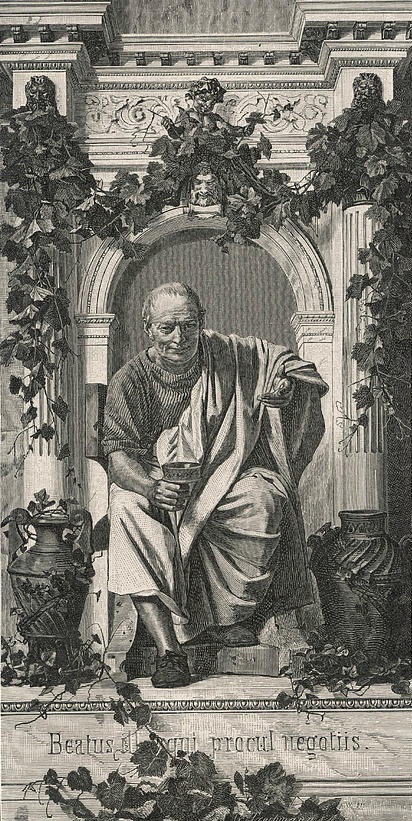
Source: Wikipedia (CC BY-SA). Portrait by Armando Mancini (Public domain) via Wikimedia Commons.
Life on the Timeline
Major Works
Exam Dossier
Most-asked topics
- Virgil's life and Augustan patronage (Maecenas, Augustus)
- The Eclogues and pastoral/bucolic tradition
- The Georgics as didactic poetry
- The Aeneid: structure, theme, and Roman national epic
- Virgil's Homeric models (Iliad and Odyssey) and imitation-with-difference
- Aeneas as epic hero and pietas as central value
- Virgil's influence on Dante and later epic tradition
- Augustan poetry as a literary movement/period
Previous-year themes
- Virgil's place in the Augustan age and relation to Augustus/Maecenas
- The Aeneid as a nationalist/imperial epic and its political purpose
- Comparison of the Aeneid with Homer's epics
- Virgil's influence on Dante (guide in the Divine Comedy) and English epic poets (Spenser, Milton)
- Pastoral convention and the Eclogues as founding text of pastoral
- Chronological ordering of Virgil's three major works
- Virgil's reputation and afterlife in medieval and Renaissance criticism
Common confusions
- Confusing Virgil (Roman, Aeneid) with Homer (Greek, Iliad/Odyssey) as the originator of epic conventions.
- Mixing up the order of the three works — students often forget the Eclogues preceded the Georgics.
- Assuming the Aeneid was fully completed and polished by Virgil, when it was left unfinished at his death.
- Confusing Aeneas (hero of the Aeneid) with Achilles or Odysseus (Homeric heroes).
- Misattributing the pastoral tradition solely to Theocritus without recognising Virgil's Eclogues as the Latin/English pastoral model via imitation.
- Confusing Augustan poetry (Virgil, Horace, Ovid, Roman) with English Augustan/Neoclassical poetry (Pope, Dryden, 18th century).
Memory tricks
E-G-A: Eclogues, Georgics, Aeneid — alphabetical order also happens to be chronological order.
'Arms and the man' = Aeneid's opening, echoed later in Shaw's play title Arms and the Man.
Dante's guide through Hell and Purgatory = Virgil, representing human Reason (not divine grace, which needs Beatrice).
Georgics = 'ground' — think of it as the poem about tilling the ground (agriculture).
Pastoral = 'pastor' (shepherd) — Eclogues are shepherd poems, the root of the pastoral genre.
Aeneid structure: first half = Odyssey (wandering), second half = Iliad (war) — 'Odyssey then Iliad, reversed order.'